Source: communicareeducation
What is a Special Ed Teacher? This question often comes up when parents, students or teachers want to understand who supports kids with various needs in a classroom. A Special Ed Teacher works with kids who may have learning, emotional, physical or developmental challenges and helps them learn at their own pace. These teachers use adapted teaching methods, structured support, and patience to make learning more accessible and meaningful.
What is a Special Ed Teacher? A Special Ed Teacher is a skilled professional who has undergone the desired training and has acquired skills that enable them to help children with special needs. It is a trained professional who focuses on helping every child build confidence, skills, and independence through planned and thoughtful instruction.
What is the Difference between a Special Education Teacher and a Regular Teacher?
Understanding the difference between a Special Education Teacher and a Regular Teacher helps clarify the distinct lines of duty, as well as how diverse learning needs are addressed in schools. Both the job roles of a Regular teacher and a Special Ed Teacher are crucial, but understanding their exact areas helps them gain a deep understanding of their goals, teaching methods and the students they have to support.
Regular Teacher
Emphasis
The regular teacher focuses on a generalised syllabus that is used for the entire class, using a method that aligns with their learning preference.
Strength of the class
She must cater to groups of 20 to 25 students.
Purpose
She works towards fostering the academic progress and social growth of all children.
Methods
Lesson planning addresses the majority of the students in the class with not much modification or alteration.
Special Education Teacher
Emphasis
Plans and designs guidelines for children with varied learning disorders,
Primary Tool
IEPs are the primary tool designed based on each child’s strengths to foster their overall learning and effective attainment of goals.
Techniques
Methods such as visual aids, AI-backed technology and hands-on learning experiences are used for better understanding.
Alliancing
Collaborate with parents, therapists, and other professionals to provide the child with appropriate interventional support.
Legal compliances
Must maintain systematic documentation of the child, especially the legal compliances.
The most important difference is being learner-based. Regular teachers cater to a wider segment of students with a single method; on the other hand, special education teachers have to cater to a smaller set of students but must ensure that the teaching methods and lessons are aligned to the child’s learning styles.
For more details on the SEN Course, Call/WhatsApp at +919321024137 / +919869866277
To download the brochure of the SEN Course, Click Here!
Source: communitykids
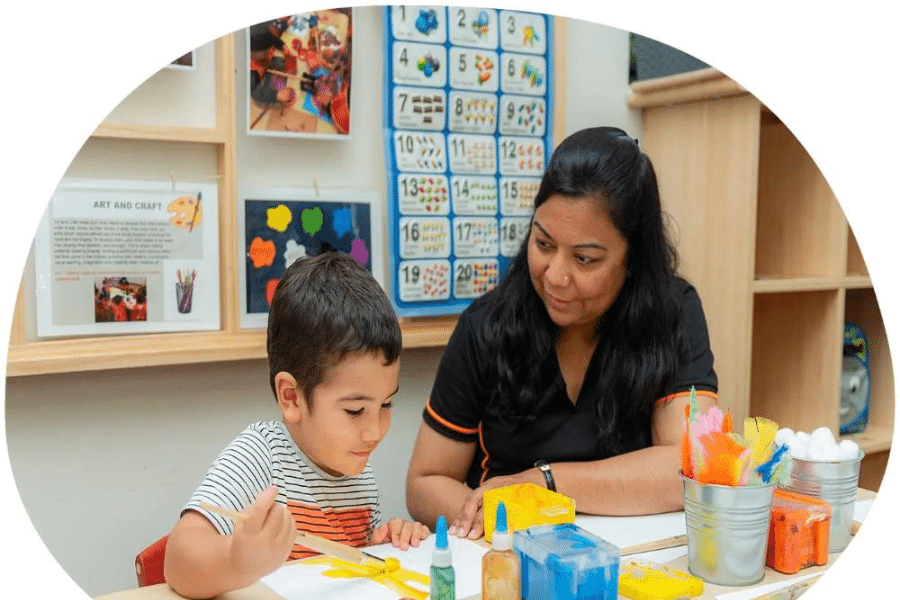
What Does a Special Education Specialist Do?
A Special Education Specialist is a trained professional who is equipped with knowledge of various learning disorders and ways of handling the challenges faced by children with special needs. Their major job is to help students get an education that helps them acquire skills, confidence, and independence. They work closely with kids who have academic, emotional, physical or developmental problems and make sure that the way they teach is right for each student’s learning style.
Core Responsibilities
Designing Child-based IEP’s
Design IEPs that are based on each child’s strengths and weaknesses and set realistic goals outlining the teaching methods and interventions that will be used.
Modifying the syllabus
Adapt the curriculum as per the child’s needs so that their learning outcomes are attained properly.
Simple, clear instructions
Provide clear and uncomplicated instructions that help the child understand topics better.
Regular assessments
Periodically review the child’s progress and accordingly see what changes are needed for better progress.
Coordinate
Collaborate with parents, class teachers and other therapists to track the child’s overall progress and work together for the child’s better future.
What areas are addressed by them: –
- Learning disorders such as dyslexia, dysgraphia and many more
- Behavioral and emotional disorders
- Neurodevelopmental conditions such as ADHD and Autism
- Any kind of physical disabilities
- Intellectual disabilities
A Special Education Specialist aims to make the learning journey enriching for the child, ensuring that they get a fair chance to acquire education in a regular classroom with their peers in a manner that aligns with their learning preferences and styles, helping them achieve long-term success in the future.
For more details on the SEN Course, Call/WhatsApp at +919321024137 / +919869866277
To download the brochure of the SEN Course, Click Here!
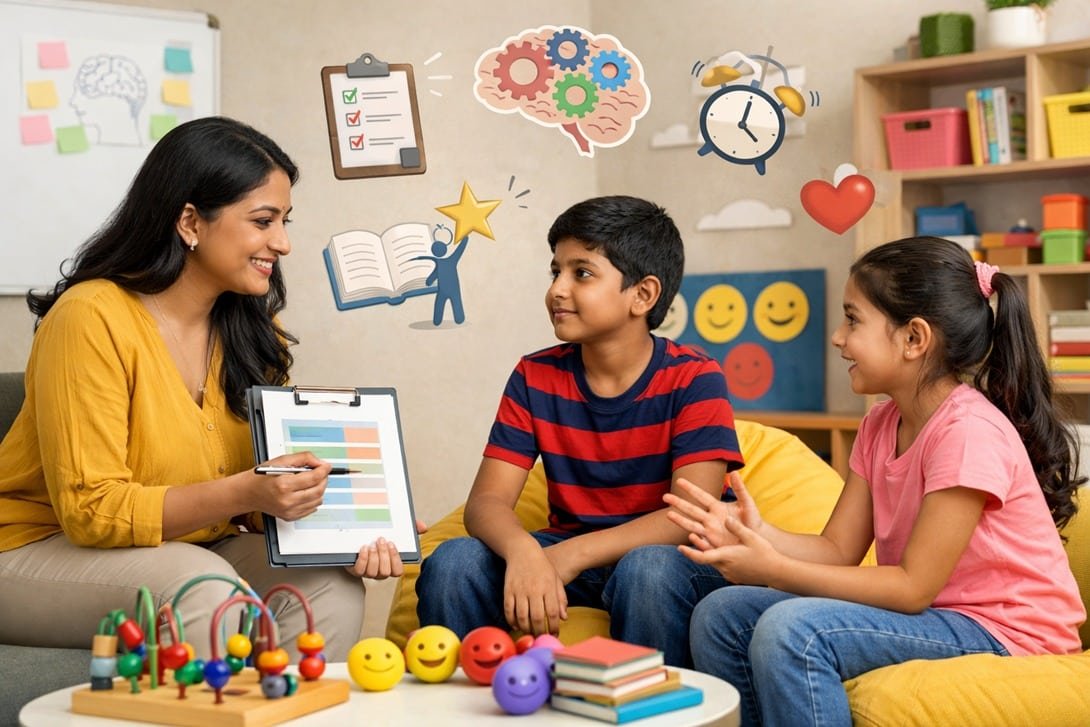
What Does a General Education Teacher Do?
A general education teacher’s job role involves catering to the majority of the students in the classroom and ensuring that they understand the topics that are being covered in the regular classroom. The subjects that are covered by them include math, English, science, and social studies, along with extracurricular activities that ensure their overall holistic progress. The General education teacher also has a responsibility of developing the child’s cognitive skills by giving them a lot of learning experiences.
Core Responsibilities
Instruction & Curriculum
Design and deliver lessons using varied teaching methods to suit different learning styles
Classroom Management
Maintain a structured, positive environment that supports learning and behavior expectations
Assessment & Monitoring
Evaluate student progress through tests, assignments, and observations
Collaboration
Work with special education teachers, support staff, and parents to follow IEP requirements
Inclusion
Apply strategies that allow all students, including those with disabilities, to participate actively
Key Skills & Focus
- Differentiated instruction to meet individual learning needs
- Clear communication with students and families
A general education teacher ensures well-rounded academic development while supporting Inclusion and Classroom engagement for every learner.
For more details on the SEN Course, Call/WhatsApp at +919321024137 / +919869866277
To download the brochure of the SEN Course, Click Here!
Source: istock
How does each Role Supports Students?
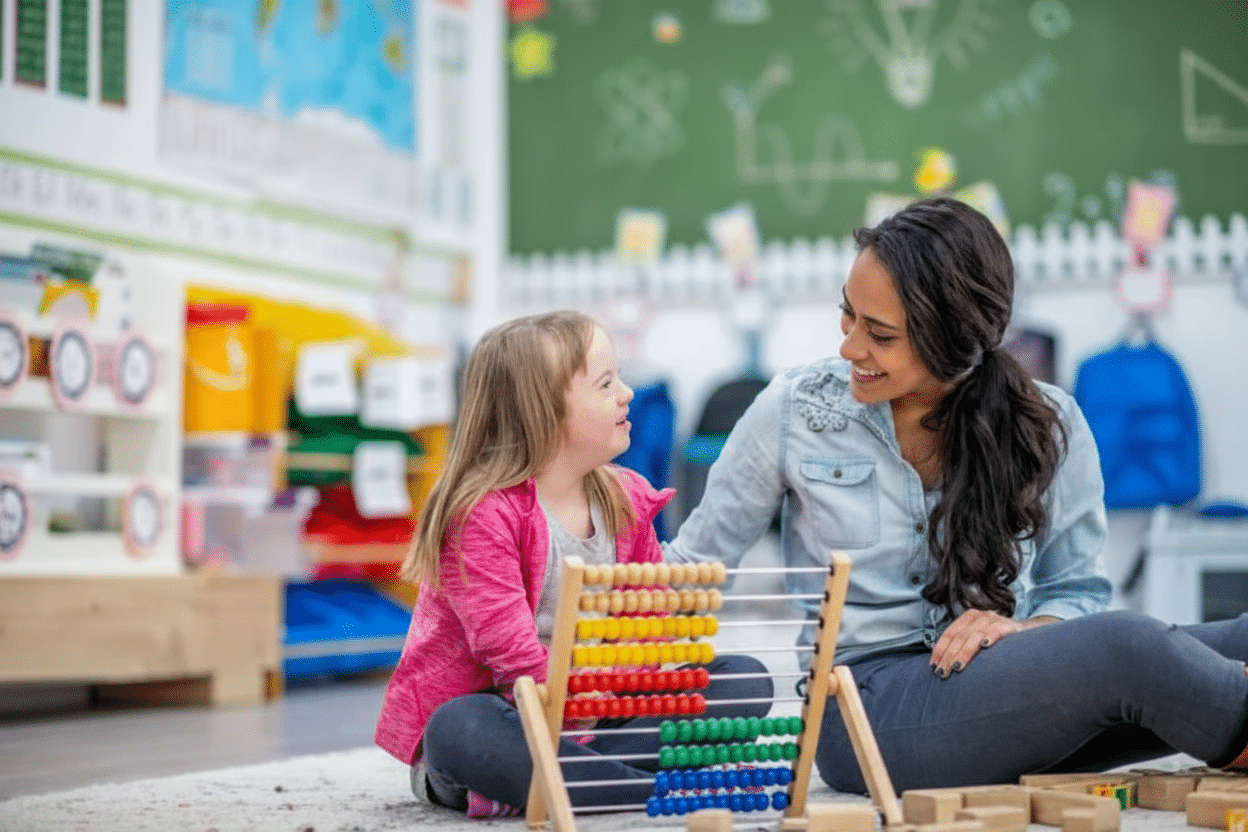
Both general education teachers and special education professionals play distinct yet connected roles in supporting student growth. When there is a consistent and combined effort by both the special education specialist and the regular teacher, it helps to create a conducive learning space for all children, ensuring everyone’s success.
General Education Teacher Support
- Offers systematic instructions that can be understood by the majority of students across various subjects.
- Implement different types of teaching methods involving various sensorial modes for addressing different learning styles.
- Provide plenty of peer-partnership activities to foster the child’s social interaction skills.
- Track their progress and identify those who need additional academic aid.
- Implement classroom strategies that help maintain decorum and discipline in class.
Special Education Teacher or Specialist Support
- Understands each child’s strengths and accordingly develops IEPs
- As per the IEP designs learner-based signs individualized instruction based on each student’s needs
- Adapts lessons and instructions as per the child’s needs.
- Collaborates and works along with parents, therapists and other professionals for better interventional support for the child.
When both roles collaborate, students benefit from consistent support, balanced instruction, and a learning space where strengths are recognised and challenges are addressed thoughtfully.
For more details on the SEN Course, Call/WhatsApp at +919321024137 / +919869866277
To download the brochure of the SEN Course, Click Here!
Source: ctfassets
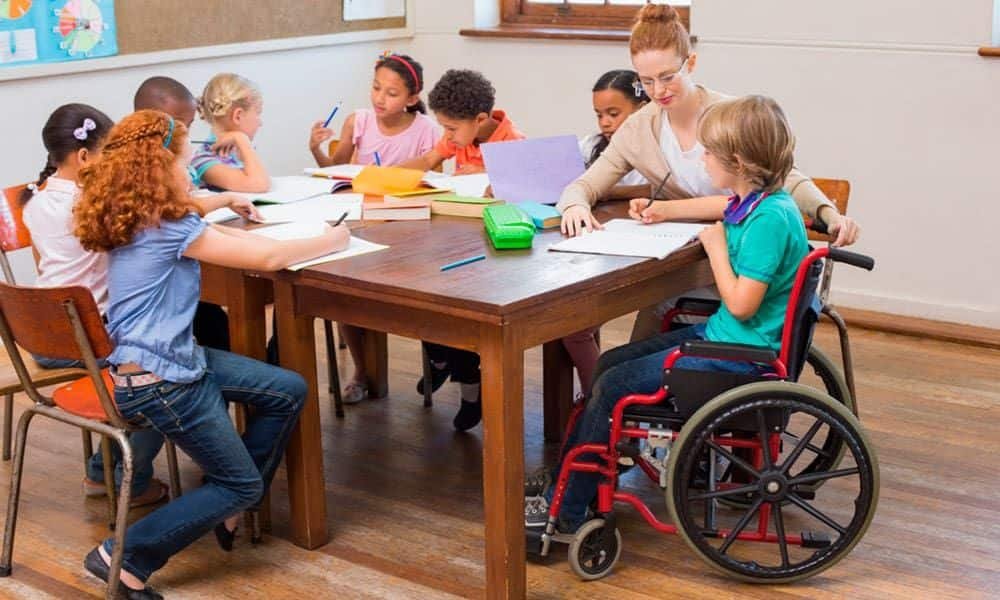
Collaboration between Special Education and General Education Teachers
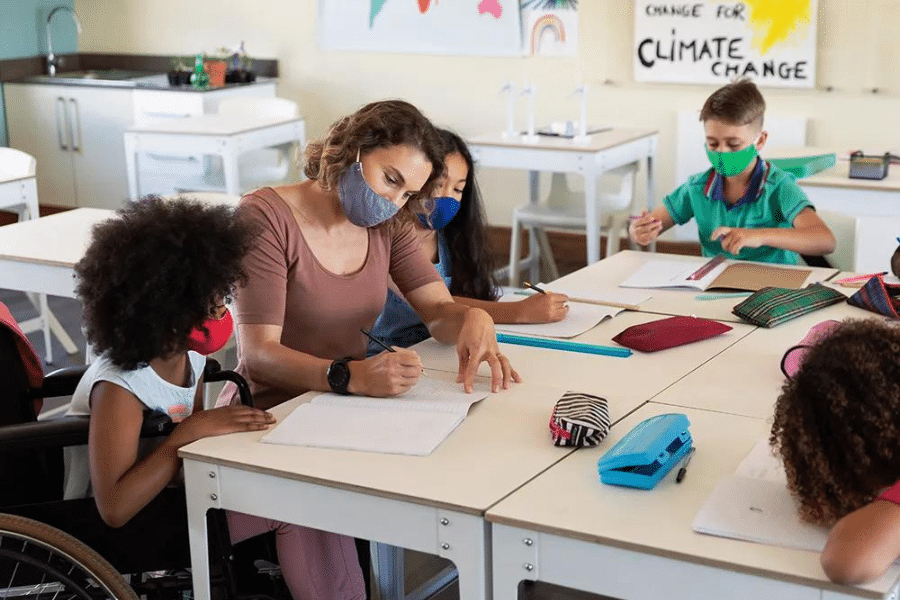
Special Educator Course Training establishes the need for a strong rapport and positive collaboration between Special Education and General education teacher. It highlights how strong networking between these two teachers can bring about a huge change in the way all the children are supported in the mainstream classrooms. With proper coordination between these two job roles, students get the appropriate support for attaining their academic and developmental needs.
Prime areas of coordination.
- Combined lesson planning so that the classroom goals are synchronised with the IEP goals.
- Collective strategies to provide for those students who need additional guidance.
- Periodic communication with the parents, informing them about the child’s progress.
- Joint classroom modifications for fostering every child’s progress.
- Brainstorming sessions to discuss and address learning and behavioural disorders in the classroom.
General education teachers generate a sense of discipline in the classroom along with a generalised curriculum, whereas the Special educator brings in expertise in the form of individualised strategies and student guidance.
Working together helps students learn more, boosts their confidence, and makes sure they meet all legal and educational requirements. Institutions like Vidhyanidhi Education Society (Govt. Regd.) offer a Special Educator Course that prepares teachers on how to work well in collaborative classrooms, making sure that all students feel supported and balanced.
Join Vidhyanidhi’s SEN Course today and transform your special education career!
For more details on the SEN Course, Call/WhatsApp at +919321024137 / +919869866277
To download the brochure of the SEN Course, Click Here!
What is a Special Ed Teacher?
FAQs
Can a General Education Teacher Provide Special Education Services?
A general teacher can support IEP goals in class, but cannot provide special education services without proper training and authorisation.
What Is the Qualification of a Special Education Teacher?
The qualification of a Special Education teacher is either a 12th-grade certificate or a bachelor’s degree, along with a mandatory credential in a Special Education Course.
What Is the Biggest Challenge in Special Education?
Managing diverse needs, paperwork like IEPs, and ensuring consistent progress while balancing academic, social, and emotional support.
Which Course Is Best for Special Education?
Special educator diploma courses are ideal. Vidhyanidhi Education Society offers well-structured programs focused on practical skills and inclusive teaching.