Source: pacificoaks
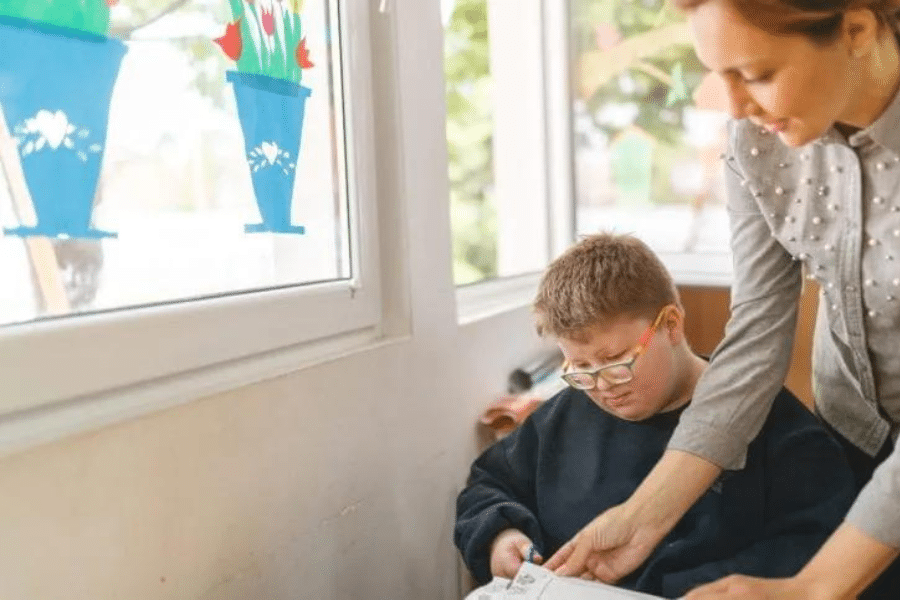
Special Educator Role in inclusive education is important for ensuring that every kid learns and grows in a shared classroom environment. A Special Educator supports kids with various learning needs by providing individualized help, adapting lessons and working closely with regular teachers. Through tools like IEPs, modified activities, and targeted interventions, students can access the same curriculum as their peers.
The Special Educator Role also prepares aspirants to develop essential skills that help them collaborate productively with parents, therapists, and other professionals to provide the child with the best intervention approach, helping them be a fruitful part of the mainstream classroom.
Who is a Special Educator in Inclusive Education?
A Special Educator in Inclusive Education is a trained and thorough professional who has undergone the desired training under a proper special education program to help children with special needs function independently in a mainstream classroom. Their main focus is to ensure that every student gets appropriate support while learning alongside peers. They work together with classroom teachers to plan instruction, adapt lessons and apply effective teaching approaches that suit individual needs.
Crucial aspects of a Special Educator in Inclusive Education are listed below:
Personalised Attention
Scrutinizing each child and accordingly devising the IEP based on each child’s strengths and needs.
Targeted Support
Supporting students with autism, learning disabilities, speech difficulty and physical impairments
Curriculum Modification
Adjusting teaching methods, materials and assessments for better understanding
Collaboration
Working inside mainstream classrooms with teachers and support staff
Assessment
Monitoring progress and refining support strategies
Professional Skills
Showing patience, empathy, strong communication, and subject expertise.
Special educators play a crucial role in building a supportive classroom culture where all students feel included and encouraged to succeed.
For details of the SEN Course, Call / WhatsApp on +919321024137 / +919869866277.
To download the SEN Course brochure, Click Here!
Source:
Roles of Special Educator in Inclusion Education
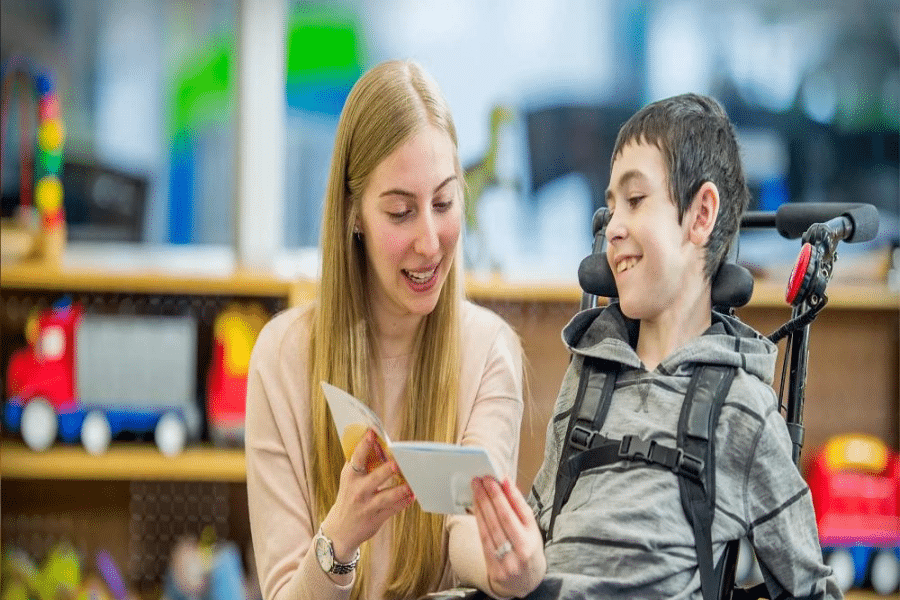
Special Educators play an important role in inclusive education by ensuring that kids with various learning needs get the right support within mainstream classrooms. They combine specialized knowledge with collaboration to help students participate meaningfully in everyday learning experiences.
Duties of A Special Education Professional in Inclusive Education include:
Reviewing and devising an IEP
Carefully scrutinizing the Child and noting his strengths and weaknesses to accordingly develop IEP listing the child’s annual goals.
Assessment and IEP Development
Identifying individual strengths and needs, and creating clear learning goals to support steady progress
Curriculum Adaptation
Adjusting lessons, teaching methods, and materials to suit different learning abilities
Collaborative Teaching and Support
Working closely with general educators through co-teaching and in-class assistance
Social and Emotional Support
Encouraging positive peer interaction and supporting confidence and emotional growth
Behavioural Interventions
Applying structured strategies to address behavioural or emotional challenges
Training and Collaboration
Guiding teachers on inclusive practices and coordinating with families
Monitoring Progress
Tracking performance and refining support plans
Through these roles, special educators help students become active, confident participants in Inclusive Classrooms.
For details of the SEN Course, Call / WhatsApp on +919321024137 / +919869866277.
To download the SEN Course brochure, Click Here!
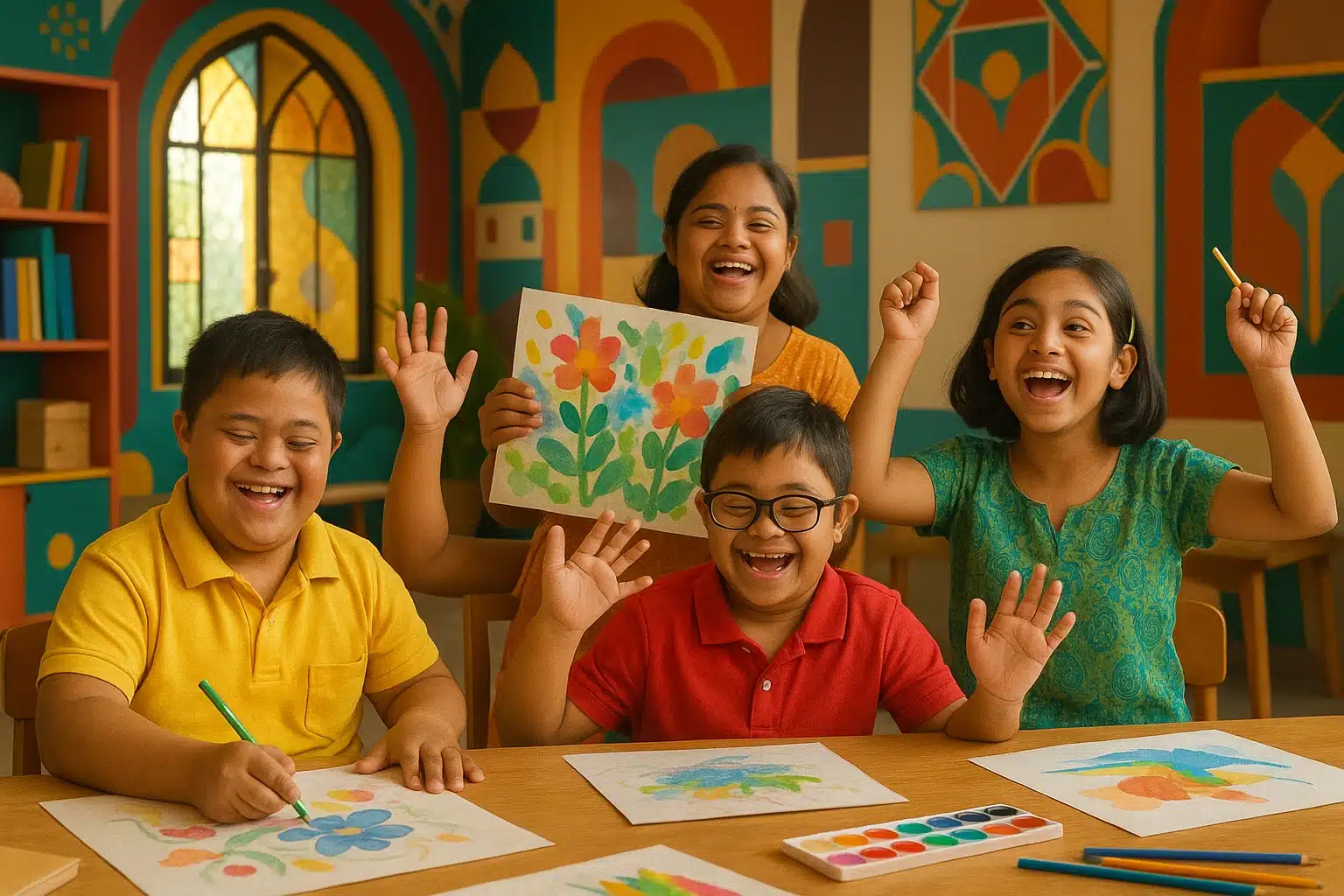
Why to Choose Inclusive Education?
Inclusive education is a very valuable and result-oriented tool that helps students acquire education in a manner that aligns with their learning styles, and each student is valued, supported and given the due respect they deserve to grow. It brings students with different abilities together in the same classroom, encouraging learning beyond textbooks.
Why choose inclusive education?
Accessible learning
To ensure that every child gets equal access to quality education along with their peers, and not in some isolated resource room.
Social Progress
Children work with each other and observe the hardships faced by classmates, making them empathetic from a young age.
Academic progress
The teaching methods used are based on each child’s learning needs and styles.
Boosting morale
With better guidance and a personalised approach, children feel valued and develop high morale, ensuring that they participate in all classroom activities efficiently.
Real-life scenario
Inclusive education prepares the child for their vocational growth, making them prepared to handle real-life scenarios.
Inclusive education has a huge role to play in special education to be successfully applied in any academic setting. It ensures that the child grows not only academically but also his overall personality gets a boost by respecting his diversities and giving him the due support and guidance, ensuring a joyous learning journey for him.
For details of the SEN Course, Call / WhatsApp on +919321024137 / +919869866277.
To download the SEN Course brochure, Click Here!
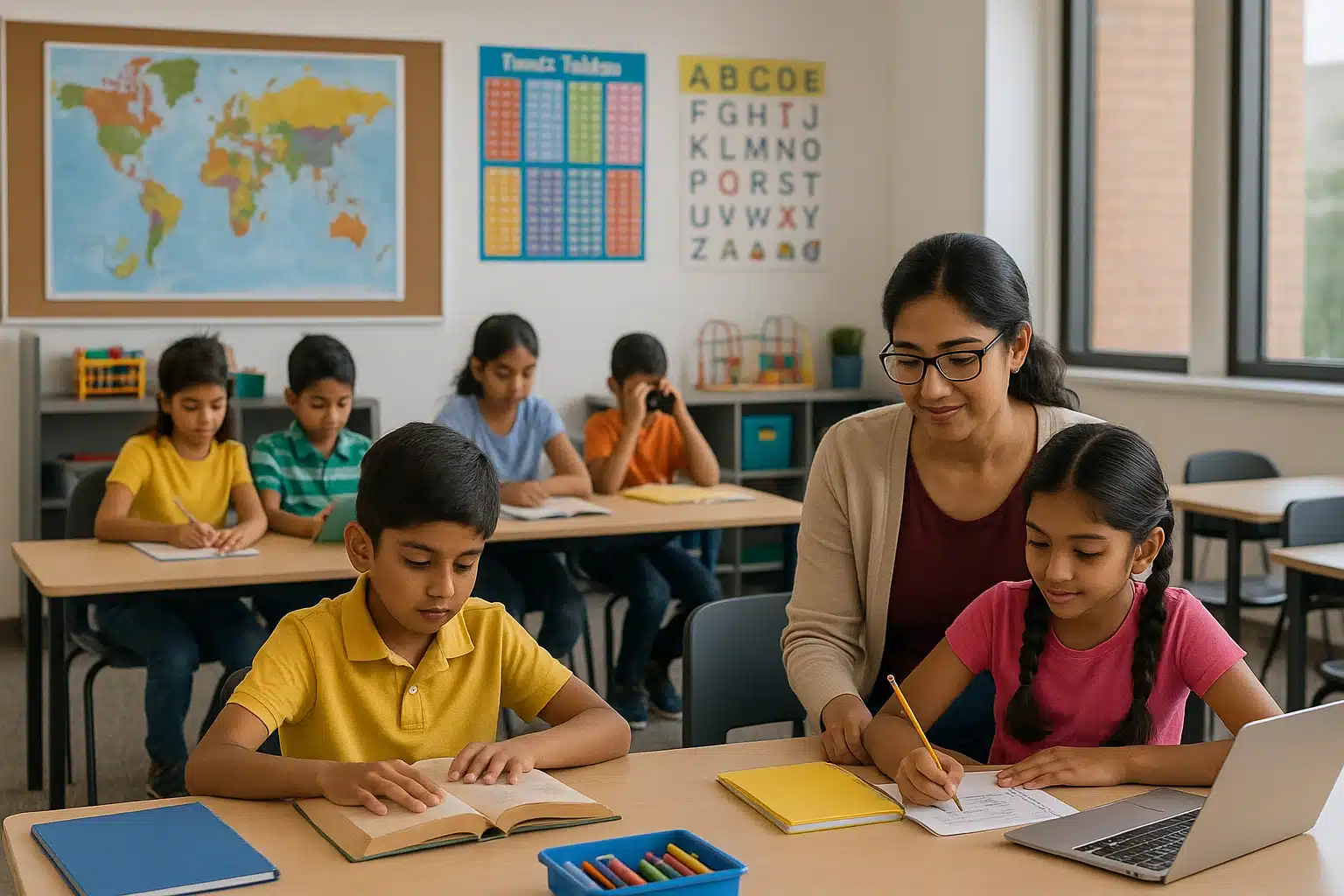
Basic Principles of Inclusive Education
Inclusive education itself means that every child has a fundamental right to acquire basic quality education in a regular classroom. Inclusive education is based on some solid principles, ensuring that each child is treated with respect and gets the desired support that they are entitled to.
The most important principle of Inclusive education is to create a conducive learning environment that fosters each child’s growth.
Basic principles of inclusive education include:
Equal Education Opportunities
Every child, irrespective of their cultural or personal backgrounds, has a basic right to access to quality educational opportunities.
No Bias
Every child’s diverse nature should be respected and to be valued without forming any judgements about it.
Personalised attention
Every child is to get personalised attention to address their specific learning needs.
Positive networking
All the stakeholders of the child’s academic and personal journey work together for the child’s holistic progress.
Engaging children
Students are given the due support and guidance to instil in them the confidence to be fully engaged in classroom activities.
Adapting teaching methods
Teaching methods and techniques to be modified and adapted to suit the child’s needs.
Positive Learning Environment
Classrooms promote safety, encouragement, and mutual respect
When the above principles are implemented properly, the child immediately feels a sense of belonging towards the educational setting and boosts their morale, making them confident in their approach towards life.
For details of the SEN Course, Call / WhatsApp on +919321024137 / +919869866277.
To download the SEN Course brochure, Click Here!

What are the Qualities of a Good Special Educator?
A good Special Educator has a crucial role to play in the child’s overall development, ensuring that all the domains get the desired attention for the child’s holistic progress. The Special Educator is responsible for creating a conducive learning space where each child gets to learn in a manner that aligns with their learning styles. Undergoing a Special Education Needs Course trains aspirants to handle the complex diversities of a mainstream classroom skillfully.
Essentials of a good special educator are listed below:
Endurance
Being empathetic towards each child’s needs and letting them learn at their own pace.
Scrutinization
Observe for any developmental delays or any noticeable learning gaps.
Flexibility
Being open to any kind of changes while the lesson is being conducted to meet the child’s needs.
Lucid Communication
Being clear while giving instructions or while communicating with various professionals, parents and even therapists.
Calm decision making
Being able to maintain a calm mind to make crucial decisions and produce effective classroom solutions from a Special Education Needs Course
Vidhyanidhi Education Society (Govt. Regd.), an eminent teacher training institute, has initiated a Special Education Needs Course equipping aspiring teachers with teaching pedagogies and practical classroom strategies that help them to conduct their classrooms with efficiency and proper class control.
Join Vidhyanidhi Education Society’s SEN Course to shape futures as a Special Education Teacher!
For details of the SEN Course, Call / WhatsApp on +919321024137 / +919869866277.
To download the SEN Course brochure, Click Here!
Special Educator Role in Inclusive Education
FAQs
What Is The Most Important Role Performed By The Special Education Teacher?
The key role is providing individualised academic and emotional support so students with special needs can learn and participate with peers.
What Is The Most Important Goal Of Special Education?
The main goal is to support students with diverse needs to achieve academic progress, independence, and social inclusion in school life.
What Are The Objectives Of Special Educators?
Objectives include skill development, curriculum support, behaviour guidance, social inclusion, and helping learners reach their full potential.
What Is A Special Educator?
A special educator supports learners with diverse needs; Vidhyanidhi Education Society prepares professionals to understand the Special Educator Role in inclusive education.