Types of Classroom Management some classrooms are peaceful and attentive, while others are often being interrupted. Why is this? The solution is typically found in the teacher’s methods of managing the classroom. Every teacher has a different manner of leading pupils, making rules and dealing with conduct. These methods have a big impact on the learning environment. So, which style works best, and how does it affect students’ engagement and discipline?
Teachers may think about their own strategies and pick ones that aid both learning and good conduct by knowing the many Types of Classroom Management. Knowing these types makes it easier to make decisions and teach better, whether you’re thinking about becoming a teacher or just want to enhance your classroom approach.
What is Classroom Management?
Classroom Management refers to the way a teacher organizes the classroom, sets expectations, and maintains a positive learning atmosphere. Good classroom management helps keep things running smoothly every day and cuts down on interruptions, giving teachers and students more time to study and teach.
Key aspects of classroom management include:
- Clear rules and expectations so students understand acceptable behavior
- Consistent routines that bring structure to the school day
- Positive teacher–student relationships built on respect and trust
- Fair handling of behavior that encourages responsibility rather than fear
- Engaging teaching methods that keep students attentive and involved
To teach well, you need to know how to handle a classroom with students of different backgrounds. Vidhyanidhi Education Society’s (Govt. Regd.) Diploma in Education Management courses are designed to focus on the latest and impactful types of classroom management.

Source: online.campbellsville
2 Classroom Management Styles
Teachers handle classrooms in different ways, and these approaches directly affect student behavior and learning.
Balanced Style of Management
Here, the teacher applies simple rules and provides reasons for following them. They encourage children to express their thoughts and emotions, guide them through activities, and support student participation. This approach helps to build confidence and self-awareness among students by allowing them to do tasks independently. It most applied and effective type of classroom management style.
Strict Style of Management
This involves teachers creating strict rules and regulations to maintain a highly disciplined class. Teachers are in complete control, students have limited access to speaking, and punishments are applied for bad behavior. This approach brings order, but students may become underconfident.
Vidhyanidhi Education Society (Govt. Regd.) offers Diploma in Education Management Courses that provide a deeper breakdown of diverse styles of classroom management.
Classroom Management in Practice
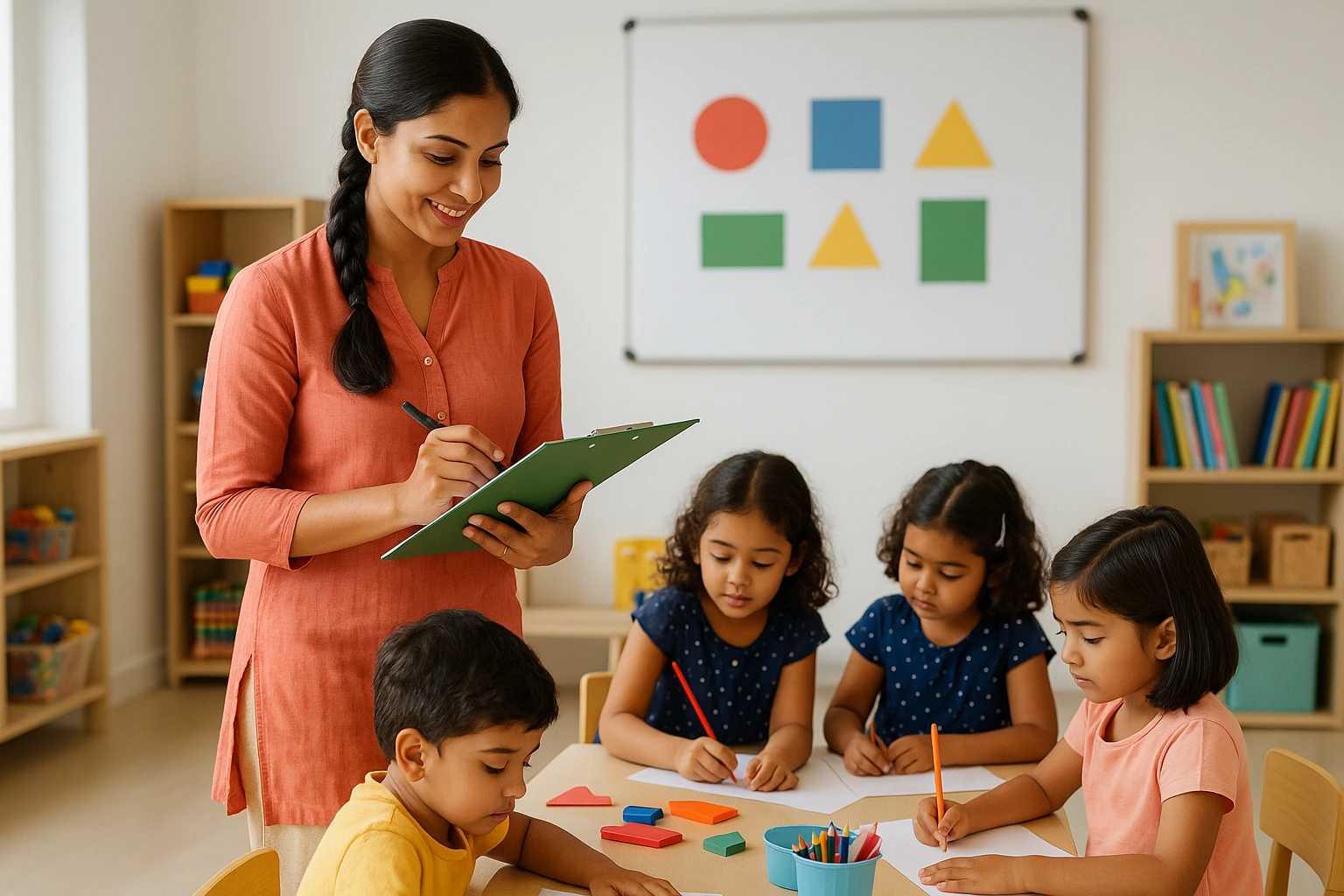
Managing the Classroom requires thoughtful and strategic practices that help educators control behaviors and make children disciplined. It is a significant step in offering holistic learning experiences to young students.
Here are the effective classroom management practices:
- Positive Classroom Setup: Creating a warm, colorful, and calm classroom environment offers a sense of attachment to students and even eliminates the anxiety of a new space
- Creating Impactful Rules: Making simple rules that are not strict but easy to follow makes children aware of expected behavior. Rules such as “raising hands before speaking” or “taking permission before coming out of the desk” are helpful.
- Establishing Routines: Consistency in classroom activities provides clear expectations of children’s behaviors and helps them to transition smoothly between activities.
- Controlling Bad Behaviors with Calmness: Teachers should apply techniques that calm bad behaviors and aggressive children effectively, like providing a corner space to relax and rejoin. Instead of using strict actions, calmly help them understand the repercussions of bad behavior.
- Engaging Teaching Method: Innovative style of teaching and adding fun in classroom learning grabs the attention of children, making them focused.
- Maintain Positive Reinforcement: Observing and appreciating the good efforts of children encourages them to continue them.
These types of classroom management practices are immensely helpful and impactful in providing uninterrupted early education to young minds.
Tips for Developing Classroom Management Style
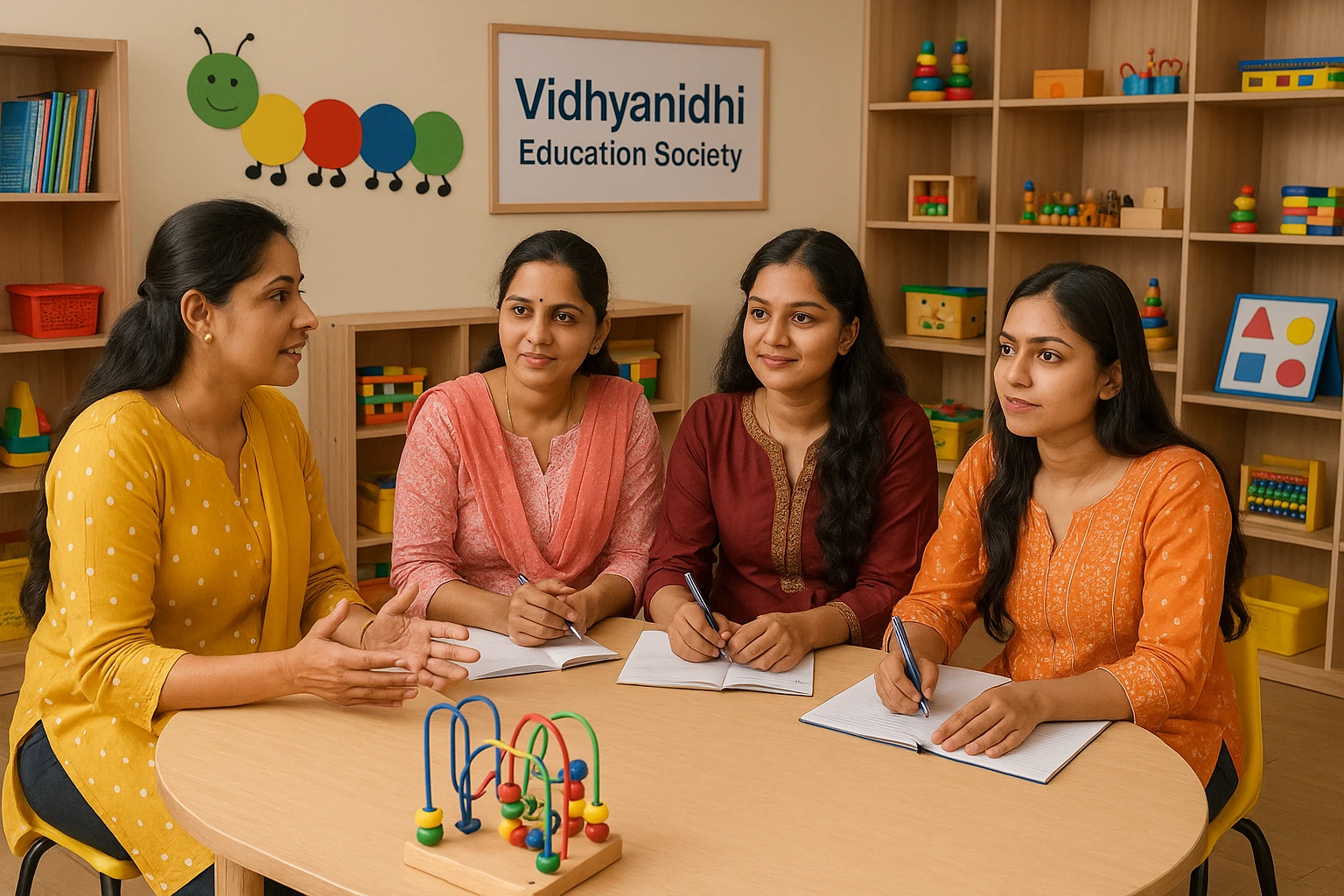
Developing a Classroom Management Style starts with assessing students’ needs and classroom dynamics. Enrolling in a diploma in educational management is perfect to gain insightful and strategic knowledge of diverse types of classroom management. In a structured training, aspirants acquire skills and get many tips for developing an effective classroom management style.
Some of which are discussed below:
- Be Consistent: Follow an expected and constant daily routine to create discipline among students and reduce confusion.
- Recognize Student Behaviour: Analyse the needs, age, and behaviours of students to apply strategies that work best for them.
- Creating Trustworthy Relations: Listen to students’ stories, understand their emotions and needs. This builds a stronger bond and a student-teacher connection.
- Be Easy-going and Calm: Even if the situation is out of control, displaying patience involves staying calm and using logical reasoning.
- Appreciate Good Works: This refers to positive reinforcement; giving rewards for the good behaviours of students is crucial and helpful.
- Utilize Feedbacks: Consider applying any feedback received from co-teachers, principal, or parents. It helps to adapt new techniques that make a difference in classroom management.
Courses offered by Vidhyanidhi Education Society (Government-Registered) focus on providing strategic types of classroom management techniques. Trainees develop the ability to effortlessly manage students of different ages and maintain a disciplined classroom setup with Vidhyanidhi Education Society’s (Government-Registered) training. Joining the Diploma in Education Management course is perfect for aspirants aiming to build a career in managing a school’s administration
Master your classroom management styles with the DEM course offered by Vidhyanidhi Education Society.
To download brochure of DEM course, Click Here!
For more details about DEM Course, Call / Whatsapp on +91 9321024137 / +91 9869546913
FAQs
How to stop students from making noises in class?
Use clear signals, structured activities, and engaging lessons. When students are involved and know expectations, unnecessary noise reduces naturally.
How to get students to listen without yelling in the classroom?
Lower your voice, pause, make eye contact, and use hand signals or cues. Calm authority often gains attention faster than raising your voice.
How to maintain class silent?
Reward quite behaviours, apply structured rules, and provide engaging learning experiences. Students stay focused in the interactive session.
Which strategy improves listening?
Using visual cues, repetition, and questioning in between lessons helps to improve children’s listening skills.