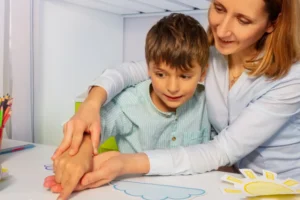

Learning Disabilities Students are individuals whose powers of processing information are different compared to other children, due to which they need to be taught in a manner that suits their learning preferences and at a pace that is convenient for them. This blog explains how teachers and parents can help kids learn in ways that suit their strengths. Every kid learns differently, and small changes in teaching can create better understanding and confidence. Lucid language, uncomplicated instructions, and visual aids are some of the valuable tools used to make learning a comfortable process for children with special needs.
When there is emotional bonding between Children with Special Needs and Educators, it enables building trust that reduces their anxiety to attain their learning goals, thereby instilling in them the confidence to engage fully in classroom activities. When educators focus on individual needs, classroom participation improves. Learning Disabilities Students can achieve steady progress when lessons are structured, goals are realistic, and encouragement remains consistent throughout learning.
How to handle a child with Learning Disability?
A Child with a Learning Disability generally possesses normal intelligence, so the educator must meticulously understand which learning style suits the child and accordingly design their lessons using teaching techniques aligning with their learning styles.
Using teaching tactics that are based on the child’s needs will be extremely beneficial for the child to gain confidence and successfully achieve the learning outcomes formulated for them.
Professional & Educational Support
Evaluation by a trained expert
A professional evaluation by a trained expert will help to understand the exact cause of concern for the child and get an overview of the child’s needs.
Design an IEP
Devise a clear IEP by collaborating with parents and professionals to set realistic and achievable goals for the child.
Alliancing with professionals
Work together with professionals, other experts and therapists to give the child the best interventional support, fostering their overall progress.
A conducive home environment and raised morale.
Emphasis on strengths
Give special impetus to the talents that the child possesses that help them gain self-confidence, thereby boosting their morale.
Implementing a variety of techniques
Using a variety of teaching techniques based on different sensory modes can be extremely helpful for some children, as their learning styles can be based on them.
Simplify tasks
Break down the assignments and tasks into small steps to help children master smaller tasks.
Create a routine
Ensure that the child follows a routine that is practised daily that helps to eliminate any anxiety that the child has.
Appreciate
Praise and acknowledge the child’s efforts. Praise effort: Appreciate hard work, not just correct answers.
Utilise latest tech-tools
Using the latest advanced tech tools, such as audiobooks and learning apps help children enhance their attention span.
Foster their communication
Make efforts to encourage the child to express themselves clearly and confidently.
Emotional & Behavioural Support
Always be available for the child
Make sure that the child is heard out properly and understands the reason behind their aggression.
Do not overreact
Always maintain a calm and pleasant attitude around the child to help them regulate their emotions better.
Make the child responsible
Encourage the child to get involved in small decisions that help them build confidence.
Attend workshops and conduct awareness camps
When parents join awareness camps, it makes them knowledgeable, knowing their experiences and newer strategies.
A caring environment that combines professional guidance, supportive routines, and emotional encouragement helps children with learning disabilities progress with confidence and stability.
Our Informative LD Course brochure is Available Here.
Get details of the LD Course, Call / WhatsApp on +919321024137 / +919869866277

How to Motivate Children with Learning Disabilities?
Motivating children with Learning Disabilities needs a lot of patience and emphasis on making them feel respected. When the child gets a fair idea that with consistent efforts, they too can achieve their learning goals successfully, it immediately raises their self-confidence, enabling them to be completely engaged in all classroom activities.
Learning Strategies & Environment
Understand their preferred learning methods
Assess which teaching methods the child can understand the topics better.
Use a variety of teaching methods
Using a multitude of teaching methods using different senses can make a huge impact on their learning outcomes.
Make learning a joyous process
Make the learning enjoyable by providing them with a lot of hands-on-learning experiences,
Chunking
Break the complex process into smaller tasks, helping them master the tougher tasks better.
Use AI-powered teaching methods
Use the latest tech-based learning methods that help children increase their attention span, helping them learn better.
Emotional Support & Self-Esteem
Appreciate
Acknowledge the small wins of the child so that they strive better.
Focus on their strengths
Let the teaching methods capitalize on the strengths of the child so that they attain their goals.
Set achievable goals
Let the set goals be easily achievable by the child.
Encourage self-dependence
Let the child, at times, take charge of their decisions for fostering self-dependence.
Be free with the students
Build a rapport with the child where they are confident and comfortable talking openly about their feelings.
Collaboration & Reinforcement
Appreciate and acknowledge
Appreciate the child amidst their classmates to boost their morale.
Collaborate
Actively involve parents and other professionals for better learning outcomes for the child.
Convey success stories
Let the parents and the children listen to success stories of people with learning disabilities who have achieved great accolades, inspiring them to never give up.
Motivation grows when children feel supported, understood, and confident in their abilities.
Our Informative LD Course brochure is Available Here.
Get details of the LD Course, Call / WhatsApp on +919321024137 / +919869866277
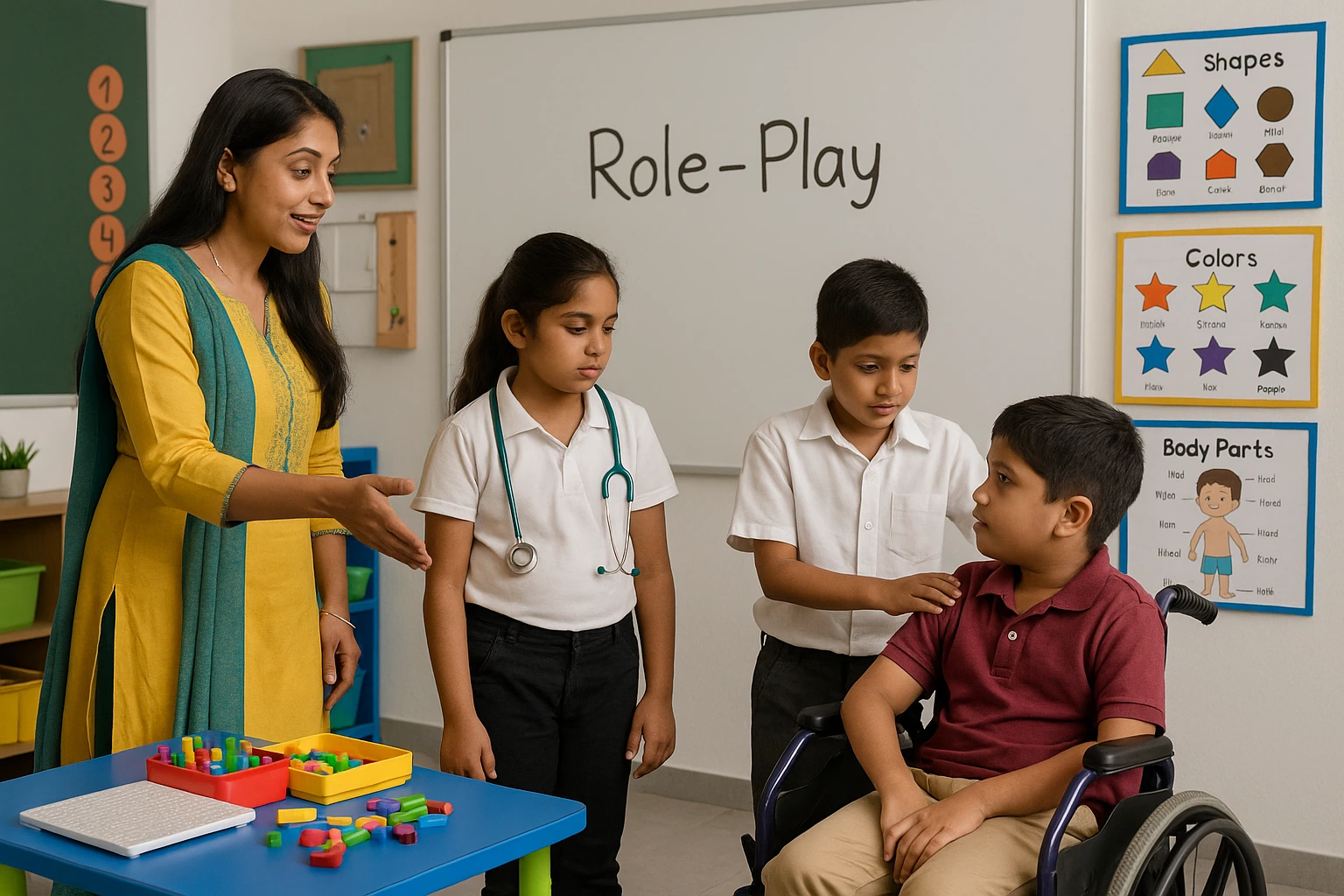
Successful Strategies for Teaching Students with Learning Disabilities
Teaching a child with learning disabilities can be a challenging task, but with the right and effective strategies, the learning journey becomes enjoyable and more effective. The precise academic assistance can help children stay totally engaged in the classroom activities, fostering self-confidence.
Effective Classroom Strategies
Gain knowledge of each child’s needs
Scrutinise what helps the child learn better and accordingly use those teaching methods.
Simple Steps
Break down the complex topics into smaller sections and teach them thoroughly before the complicated topics are introduced.
Provide them with extra time
let them get the benefit of additional time that helps eliminate any pressure that the child has to finish the tasks on time.
Use clear language
Do not confuse the child with heavy, complicated language, but use simple, clear instructions.
Supportive Learning Environment
Follow regular routines
Practise maintaining consistent routines that help the children feel secure.
Foster maximum participation
Ensure that every child is actively engaged in the classroom activities and expresses themselves clearly.
Use tech-based strategies
Use tools that are based on interactive tech-based tools that make learning simpler for children with special needs.
Supportive tools: Technology such as audiobooks and text-to-speech supports learning needs.
Emotional and Motivational Support
Praise effort and progress
Recognising improvement builds self-esteem.
Focus on strengths
Highlight abilities beyond academics.
Collaborate with parents and specialists
Consistent approaches across settings improve results.
Thoughtful planning and positive reinforcement create meaningful learning experiences for students with learning disabilities.
Our Informative LD Course brochure is Available Here.
Get details of the LD Course, Call / WhatsApp on +919321024137 / +919869866277

How to Teach Students with Learning Disabilities in an Inclusive Classroom?
To educate kids with learning difficulties in an Inclusive Classroom, you need to prepare carefully, be understanding and be willing to change how you teach. The Learning Disability Course offers teachers the skills they need to help every kind of student, and it makes sure that everyone has the same opportunity to learn.
Key Strategies for Inclusive Teaching
Understand individual needs
Identify each kid’s learning style and challenges to plan suitable instruction.
Learner-Based Instructions
Use learner-based instructions so that it becomes easy to learn in a manner comfortable for them.
Use a variety of teaching methods
Use teaching methods that are based on the learning strengths of the child, which help enhance their learning outcomes.
Simple one-step instructions
Provide simple one-step instructions that help children perform their tasks confidently.
Foster inclusivity amongst classmates
Plan for group activities that help foster the child’s social interaction and communication skills.
Classroom Environment & Support
- Maintain structured routines: Predictability reduces anxiety and improves focus.
- Use assistive tools: Audiobooks, graphic organizers and learning apps support accessibility.
- Offer regular feedback: Positive reinforcement builds motivation and self-belief.
Teachers who are trained under a Special Education Program or Learning Disability Course are well-versed in adapting their lesson plans that helps to cater to a larger section of students. When there is strong collaboration between parents, educators and other professionals, it helps the child get the best remedial support, fostering their overall holistic progress.
Inclusive education succeeds when teachers apply informed strategies, patience and consistency. Completing a Learning Disability Course offered Vidhyanidhi Education Society (Govt. Regd.) empowers teachers to create classrooms where every student feels valued and capable of success.
Boost your skills with Vidhyanidhi Education Society’s LD Course today!
Our Informative LD Course brochure is Available Here.
Get details of the LD Course, Call / WhatsApp on +919321024137 / +919869866277
How to Teach Learning Disabilities Students? LD Course
FAQs
Which Is the Best Method to Teach With Special Needs?
Using a multi-sensory method of teaching that incorporates teaching tactics based on different strengths of the child is the best method to teach children with special needs.
What Is Scaffolding for Students With Learning Disabilities?
Scaffolding refers to a method of teaching where the child is given full assistance initially, and then, gradually, the child is encouraged to perform the tasks on their own.
How Do I Support a Student With Undiagnosed Learning Disability?
Keep an eye out for problems, make steps easier to understand, give extra time, use pictures, and reassure parents while pushing them to get a professional evaluation.
How Do You Communicate With Special Needs Students?
Use clear language, short sentences, visual cues, patience, and a positive tone. Active listening and consistency help build trust and understanding.