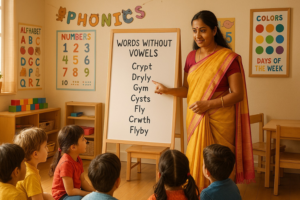
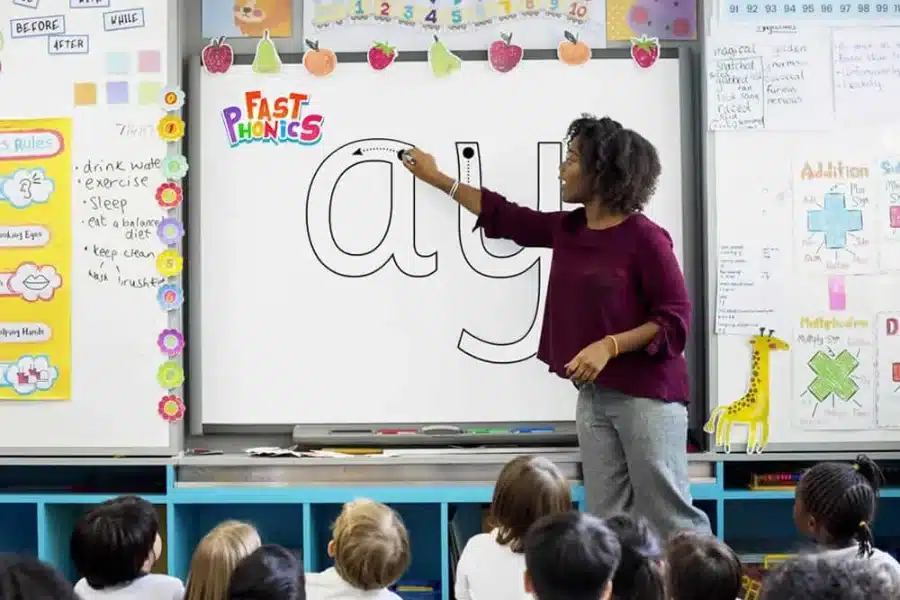
Source: readingeggs
What Phonics Means is more than merely a teaching practice—it’s a way to help children relate sounds with letters, making reading and spelling more effortless to learn. By breaking down words into distinct sounds, kids methodically comprehend the language format. What Phonics Means for early learners is a robust basis that supports reading proficiency, confidence, and a lifelong passion for learning.
How is Phonics Taught?
Phonics is integrated into learning through a methodical approach that helps children connect phonemes to the letters. This process builds robust reading and spelling proficiency over time.
Here’s How is Phonics Taught in early education settings:
Learning Letter-Sound Relation
Children start by comprehending the sounds that each letter makes. For instance:
The letter s makes- /s/ sound.
The letter a makes- /a/ sound.
Blending Sounds to Interpret Words
Once particular sounds are known, children are prepared to blend them together.
For instance:
/c/ + /a/ + /t/ – cat
This helps them interpret unknown words when reading.
Splitting Words to Spell
Phonics also backs spelling by helping children split words into sounds.
For instance:
To spell dog, they hear to /d/ /o/ /g/ and write the related letters.
Teaching Digraphs and Tricky Sounds
As they advance, children learn that:
Two letters can produce one sound (digraphs)- sh, ch, ng, etc.
Some sounds can be spelled in multiple forms, like /ai/- rain, day, etc.
Using Phonics in Reading Practice
Phonics is reinforced through reading books that match the sounds taught and help understand Phonics Meaning. These books use easy words so children can integrate their learning when reading and build confidence.
Developing Sight Word Recognition
While phonics concentrates on interpreting, some common words like- the, was, said, etc.- don’t obey traditional patterns. These are introduced as sight words to aid smoother reading.
Phonics Meaning is most effective when introduced consistently and in small stages. With everyday practice and the proper guidance, children comprehend What Phonics Means and gradually develop command and accuracy in reading and writing.
For more details of Phonics Course Call / Whatsapp +919869866277/+919869546913
To Download Brochure of Phonics Course, Click Here!
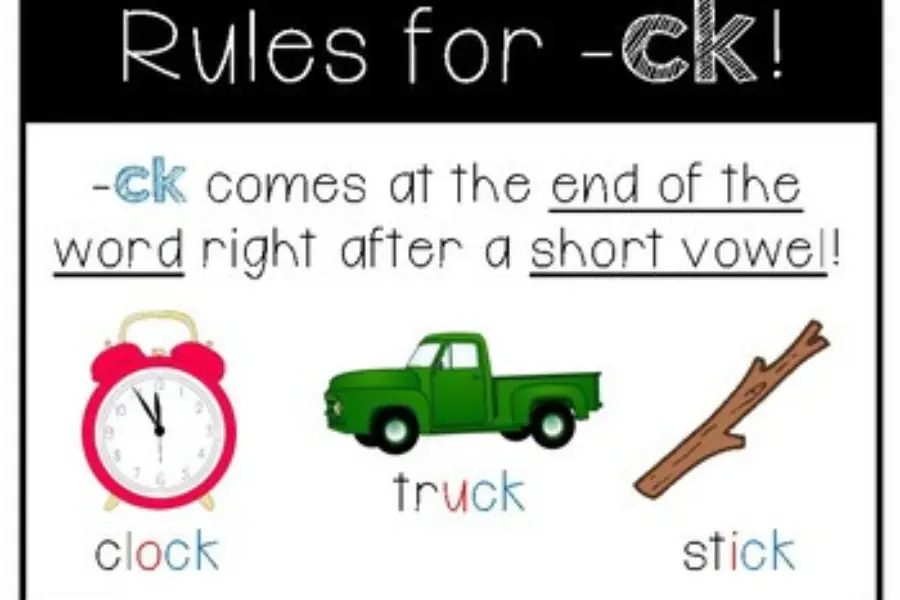
Source: teacherspayteachers
How Teachers Prepare a Phonics Lesson?
Preparing the What Phonics Means lesson concerns clever planning to ensure children learn letter-sound associations and incorporate them confidently in reading and writing. Teachers embrace a methodical strategy to keep meaning lessons clear, focused, and delightful.
Let us see How Teachers Prepare a Phonics Lesson:
Set an explicit learning objective
Teachers pick what sound or spelling form will be presented, such as the /bl/ blend or short vowel sounds.
Check primary knowledge
Before presenting a new concept, teachers revisit earlier taught lessons to strengthen understanding and confirm readiness.
Use engaging teaching tools
Flashcards, letter tiles, sound charts, and visuals are designed to support graphical and auditory understanding.
Design interactive activities
Teachers design competitions, vocals, or hands-on assignments that stimulate children to blend, segment, and manipulate sounds.
Include guided reading practice
Age-suitable books with targeted phonics patterns are chosen so children can apply.
Assess learning
Teachers plan brief assessments—like reading aloud or corresponding sounds to letters—to check advancement and modify future lessons.
A well-prepared What Phonics Means lesson balances instruction with practice, allowing children to methodically build confidence in their reading journey.
For more details of Phonics Course Call / Whatsapp +919869866277/+919869546913
To Download Brochure of Phonics Course, Click Here!
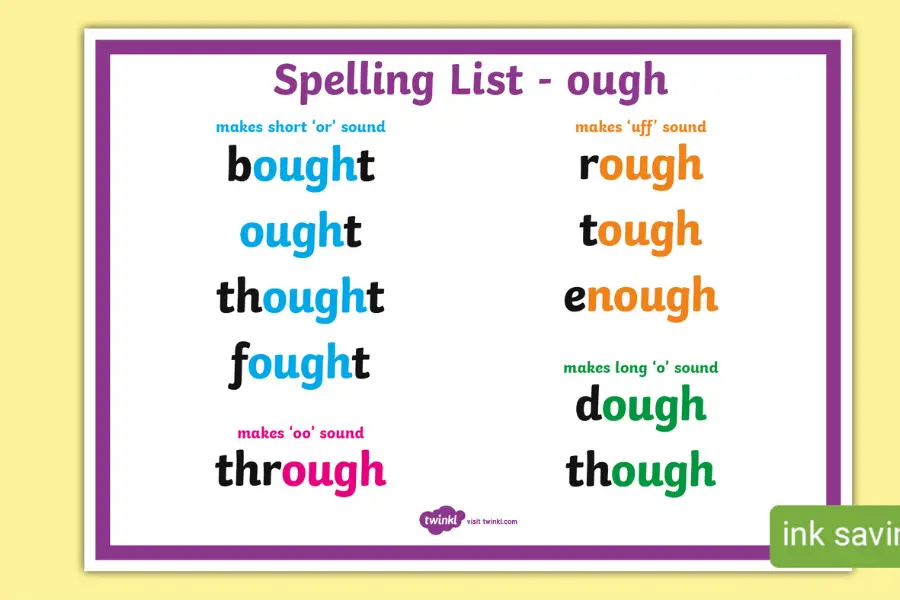
Source: twinkl
Understanding Phonics at Home
Guiding children in Understanding Phonics at Home can bring a remarkable transformation in how they read and spell. Phonics Meaning is about the amalgamation of sounds with letters, and parents can support this learning with manageable, everyday activities.
Here’s how families can promote Phonics at Home:
Start with sounds
Point out starting sounds in everyday words. For instance, say- Look, ‘fan’ starts with the /f/ sound.
Use letter magnets or cards
Allow your child to place letters to form easy words. Say each sound out loud as you create the word.
Read aloud every day
Select books that use an easy phonetic format. Sound out words together and motivate your child to guess on unfamiliar ones using Phonics skills.
Play phonics games
Rhyming games, “I spy” using sounds, or corresponding sounds to pictures can make learning delightful.
Repeat and review
Children need repetition. Revisit letter sounds and easy words frequently to help them retain.
Comprehending Phonics Meaning at home doesn’t demand exceptional tools- merely time, patience, and consistency. These small endeavors can boost your child’s reading mastery and strengthen what they learn in school.
For more details of Phonics Course Call / Whatsapp +919869866277/+919869546913
To Download Brochure of Phonics Course, Click Here!
Source: teacherspayteachers
Effective Phonics Programs
Phonics is the approach of teaching children how sounds correspond with letters and letter groups. When parents understand What Phonics Means, they can help their child understand Phonics at Home. Simple techniques and regular practice can build a strong basis for reading and writing. For parents or educators looking to build robust phonics skills in children, Vidhyanidhi Education Society (Govt. Regd.) offers a Phonics Teacher Training Course.
Here are easy ways to help your child with Phonics Means at home with the help of Effective Phonics Programs:
Sound Awareness
Help your child identify starting and concluding sounds in words. For instance, “What sound do you hear at the beginning of ‘hot’?”
Letter-Sound Practice
Use picture cards or alphabet books to correspond letters with their sounds. Motivate your child to say the sound aloud while indicating the letter.
Phonics Games
Immerse your child in fun activities like word searches, rhyming matches, or phonics mysteries to keep learning dynamic.
Read Together
Pick simple storybooks that emphasize phonics patterns. Let your child sound out easy words and applaud their efforts.
Be Consistent
Every day practice, even for a few minutes, helps support learning and builds confidence.
This Phonics Teacher Training Course equips individuals with practical strategies, pedagogy approaches, and aids to make learning What Phonics Means delightful and result-driven. If you’re impassioned about early literacy, the Phonics Teacher Training Course can help you bring a significant transformation in the field of early education.
Choose Vidhyanidhi Education Society and Master Phonics Teaching with confidence!
For more details of Phonics Course Call / Whatsapp +919869866277/+919869546913
To Download Brochure of Phonics Course, Click Here!
FAQs
How Can Parents Teach Phonics at Home?
Parents can use letter sounds in everyday conversation, read phonics texts, play sound matches, and practice blending easy words to strengthen phonics learning.
What is the Correct Order for Teaching Phonics?
Start with easy letter sounds, then blend CVC words, introduce digraphs, and later present long vowels. Vidhyanidhi Education Society trains teachers in this method.