
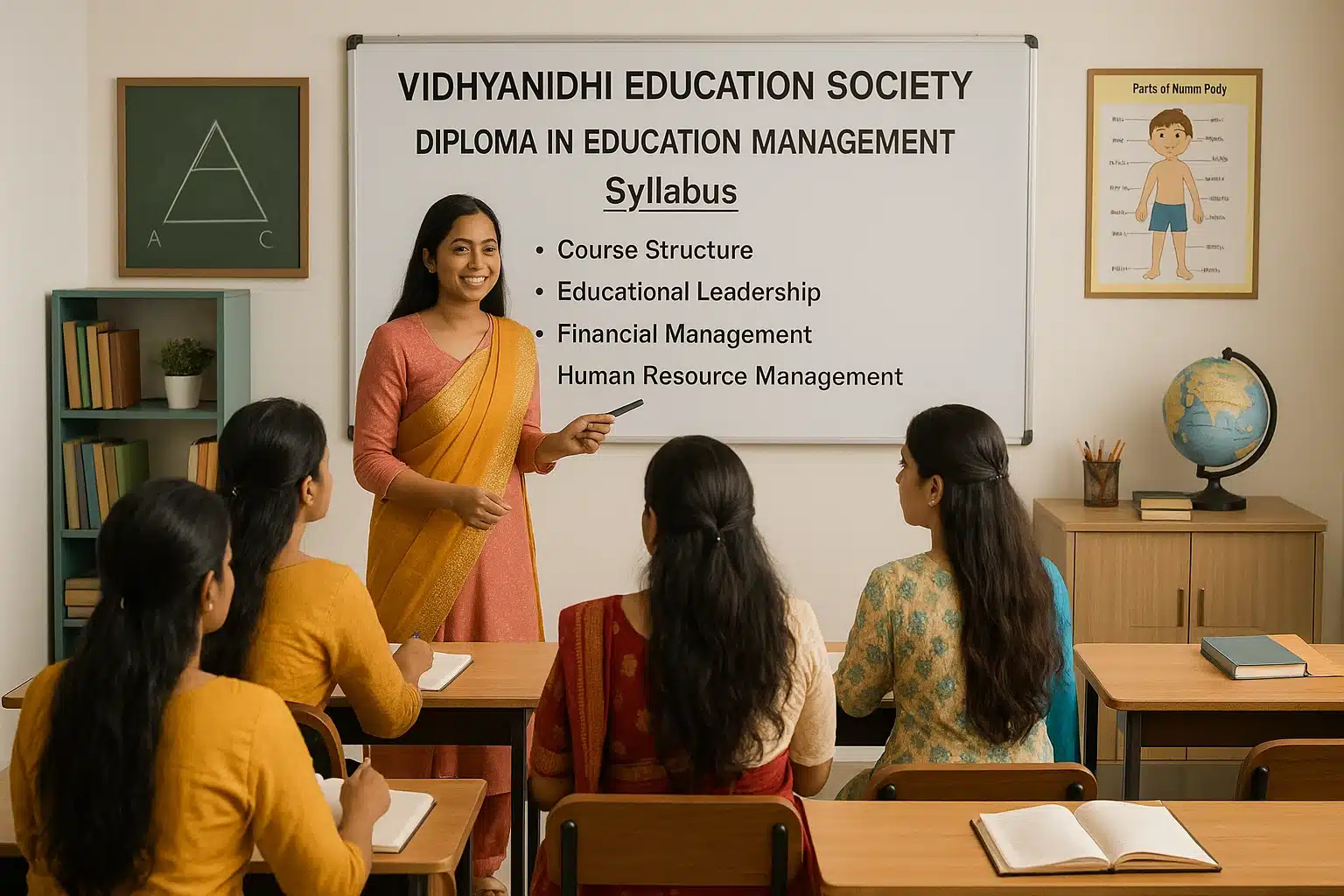
Educational Management is a structured body that handles the complete functioning of an organization. Different educational management approaches are applied to achieve wide-ranging success. It includes authoritative, democratic, bureaucratic, and systematic. Understanding these methods helps educators, administrators, and even parents see how decisions are made and responsibilities are shared.
Types of Educational Management also influence teaching quality, student support systems, and institutional growth. By learning about the different types, one can clearly see how leadership styles, administrative processes, and educational goals connect to create a balanced learning environment that supports both academic and personal development.
Characteristics of Educational Management
Educational Management is a crucial functioning system that maintains the unshakable functioning of the organization. This is possible through diverse effective characteristics adopted by the management team. Below is a summary of some of them.
Systematic planning
Management makes an organized plan of daily tasks, processes, and operations. Activities are planned to make proper use of time, staff, and resources.
Implementing Regulations
It focuses on applying policies, guidelines, and protocols for a standardized educational environment.
Educational Progress
Management aims to maintain regular progress of the organization with continuous upgradation, proper planning, assessment, and modification of the curriculum.
Human Resource Management
An institute achieves successful outcomes with a competent team of employees. And management aims to hire, train, and motivate a team that makes a difference.
Critical Thinking & Decision-Making
This feature characterizes Educational Management maintain fair judgment policy within the organization. They apply critical reasoning, deeper analysis, and transparent evaluation to make a big decision.
Cooperative Environment
Developing a collaborative and supportive team of employees is crucial. An educational management system ensures tasks are allotted equally, internal grievances are resolved on time, and the team maintains fairness.
These characteristics form a robust Educational Management System that positively impacts the reputation of the institution.
For DEM Course information, call or whatsapp at +919869866277 / +919869546913.
Downloading the brochure of the DEM Course is just a click away. Click Here.

Main Types of Educational Management
By focusing on a diverse aspect of operations, the effective Functioning of Educational Institutions is possible. And different types of management are created to address the specific needs of an institution.
Autocratic Educational Management
This type of approach involves leadership; the higher authorities plan goals,
Democratic Educational Management
Teachers and staff are involved in decision-making. This type encourages teamwork, communication, and shared responsibility.
Laissez-faire Educational Management
Here, a lesser contribution is made by management; more functioning and decision-making are carried out by team members. When teachers and staff are highly skilled, they lead the institute.
Scientific Educational Management
Work is organized using planned methods and time management. The focus is on efficiency and productivity.
Bureaucratic Educational Management
This type focuses on strict regulations followed by everyone. Roles are predefined, policies are implemented, and rules are made to maintain a hierarchy level of operation.
These types of Educational Management ensure a stronger, organized, and successful setup of an institution.
For DEM Course information, call or whatsapp at +919869866277 / +919869546913.
Downloading the brochure of the DEM Course is just a click away. Click Here.

How to Choose the Right Type for your Institution?
Selecting the right type for your institution depends on its goals, manpower, functioning capacity, and areas of improvement.
Here are certain factors to consider and apply management styles accordingly:
Evaluate goals of the institution
Structured management is suitable for an organization focused on discipline and control. A progressive environment will be flexible to adapt to an innovative approach.
Focus on long-term growth
The management type should support stability, improvement, and future expansion of the organization.
Access the Staff’s skills
A new setup with less experienced employees might function better in a leadership style of management. While an experienced team can individually contribute to the progress of an institute with a democratic system.
Resource Availability
An institute can adopt a free-hand management approach with sufficient availability of resources. With a limited reserve supply, a controlled supervision system is applied.
Vidhyanidhi Education Society (Govt. Regd.) offers a Diploma in Educational Administration that helps institutions and educators make informed management choices with confidence.
For DEM Course information, call or whatsapp at +919869866277 / +919869546913.
Downloading the brochure of the DEM Course is just a click away. Click Here.
Principles and Best Practices
Principles and best practices in Educational Management help institutions maintain consistency, quality, and effective leadership. When applied correctly, they support smooth administration and a positive learning environment.
Clear objectives
It follows a defined layout of goals, considering the long-term development and academic success.
Liability
The Primary Principle of Management is to maintain transparency in accountability, adjusting costs fairly, upholding records of expenses, and encouraging responsibility.
Coordination between Teams
This practice focuses on aligning teams on one path, distributing fair responsibilities,
Establishing Positive Learning Results
By adjusting teaching trends, updating policies, and providing complete teacher and student support, management builds a positive learning environment.
Accurate Planning
This significant principle includes setting long-term goals, drafting methods to achieve them, creating policies, allocating resources, and motivating time management.
These principles and practices together ensure that an institute functions on a high level and maintains smooth operations.
For DEM Course information, call or whatsapp at +919869866277 / +919869546913.
Downloading the brochure of the DEM Course is just a click away. Click Here.

Benefits of Educational Management
Educational Management plays a significant role in building a successful organization. Academic and Administrative success are maintained with an organized management system.
Below are the benefits:
Smoother operations
Every aspect of the institution functions in a well-planned approach with fewer catastrophes, with a well-defined management system.
Improved Decision-making
It supports leaders, managers, and admins to analyze situations with available access to information and make logical decisions.
Disciplined working environment
Management applies effective rules and regulations that help to build order, control, and an organized system of working.
Increased student performances
Management aims to regularly upgrade the curriculum, assess teaching performances, and improve the learning environment, eventually benefiting students’ success.
Enhanced Teaching support
Organized Management System supports teachers with modernized teaching aids, modifies curriculum, and adds technological tools to make teaching a smoother process.
Educational Management strengthens institutional stability, supports academic excellence, and builds an environment where educators and learners can perform at their best.
“Join Vidhyanidhi’s Course for a transformative career in education!”
For DEM Course information, call or whatsapp at +919869866277 / +919869546913.
Downloading the brochure of the DEM Course is just a click away. Click Here.
FAQs
What Are The Different Management Styles In Education?
The different styles of management include systematic, democratic, structured, and leadership to make educational institutions successful.
What Is The Management Of Education?
The management of education is a structured approach to handling daily operations smoothly with successful results.
What Is The Importance Of Educational Management?
Management is crucially important to maintain structured functioning, discipline, improve student progress, and upgrade learning methods.
What Is The Scope Of Education Management?
The scope of educational management is to build a successful, positive, and engaging learning environment.