Source: pinterest
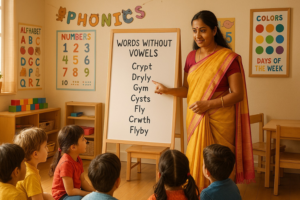
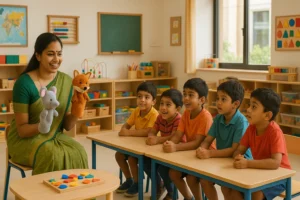
Teaching Phonics to Beginners is the first step towards helping them read and write with confidence. Kids learn how sounds and letters go together when they are young. Teaching Phonics to Beginners helps them learn new words and remember old ones. It’s not just about the sounds of letters when you teach phonics to kids who are just starting. It also helps them learn patterns, speak more clearly, and become more fluent. With simple methods and engaging activities, Teaching Phonics turns learning into a step-by-step journey that supports literacy growth from the very start.
Step-by-Step Guide for Teaching Phonics
Phonics is the first step to being able to read and write well. Kids learn to read fluently by following clear steps that help them go from learning sounds to reading.
Step-by-Step Guide for Teaching Phonics includes:
Step 1 – Letter Sounds
Start with the sounds of each letter, usually S, A, T, P, I, N, and so on. These letters make up many simple words, such as “sat” and “pin.” Kids should also practise writing these letters correctly. Songs and videos make Teaching Phonics.
Step 2 – Blending
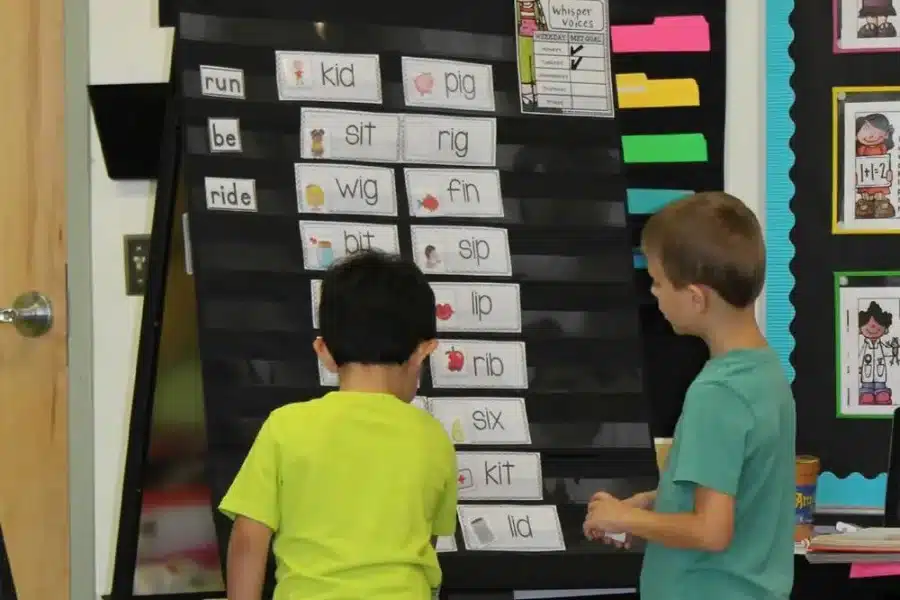
Next, kids learn how to bring sounds together to read the complete words. Begin with simple consonant-vowel-consonant words like- tap, sit, bun, cop, etc., then go on to CCVC words like- stop, milk, claw, spot, etc. Magnetic letters are helpful.
Step 3 – Digraphs
Add digraphs like ch, sh, ng, ai, oo, etc. Along with this, teach hard words to spell, like “was” and “they,” which don’t follow the rules. Word games and flashcards can help with Teaching Phonics.
Step 4 – Alternative Graphemes
For example, the “ai” sound in rain, day, make, and eight can be spelled in diverse ways. Reading together every day helps understand this better.
Step 5 – Fluency and Accuracy
Finally, efforts should be put into fluency, spelling words correctly, and figuring out difficult patterns like prefixes and silent letters. Kids will make progress if they read every day.
With practice and help, phonics can help in becoming a good reader and writer.
Download Phonics Course for Teacher Brochure Here.
For any Phonics Course for Teacher -related info, dial +919869546913 / +919869866277.
Source : blogspot
How to Teach Phonics to Struggling Kids?
Some kids may have Challenges with Phonics, but if you are patient and use appropriate methods, they will get better over time. The most significant aspect of Teaching Phonics to Beginners and struggling kids is to use easy methods, practice often, and fun tools that are at their level of learning.
Helpful tips to Teach Phonics to Struggling Kids:
Start off small and slow
Listen to one or two sounds at a time. Repetitive practice helps kids feel more confident without going too far.
Use techniques that involve multiple senses
Put together seeing, hearing, and touching. For example, kids can learn letters by drawing them in the sand, clapping out sounds, or reciting songs.
Segmenting and Blending
Tell kids to break words down into smaller sounds before they mix them up. This systematic method of Teaching Phonics to Beginners makes it simpler to understand what specific terms mean.
Revisit Frequently
Kids who are facing challenges need more help. To improve memory and fluency, go back to sounds you heard before on a regular basis.
Fun learning
Teaching Phonics to Beginners becomes fun with the use of picture cards, digital phonics applications, creative activities, competitive games, etc., that support phonics instruction. Things that are fun to do lower the pressure and make practice more entertaining.
Rejoice in Small Steps
Give praise for even the smallest progress. Positive reinforcement keeps kids interested and motivated.
You need to be patient, creative, and consistent when Teaching Phonics to Beginners who are struggling to learn new concepts. With the right guidance, every child can become a more confident reader.
Download Phonics Course for Teacher Brochure Here.
For any Phonics Course for Teacher -related info, dial +919869546913 / +919869866277.
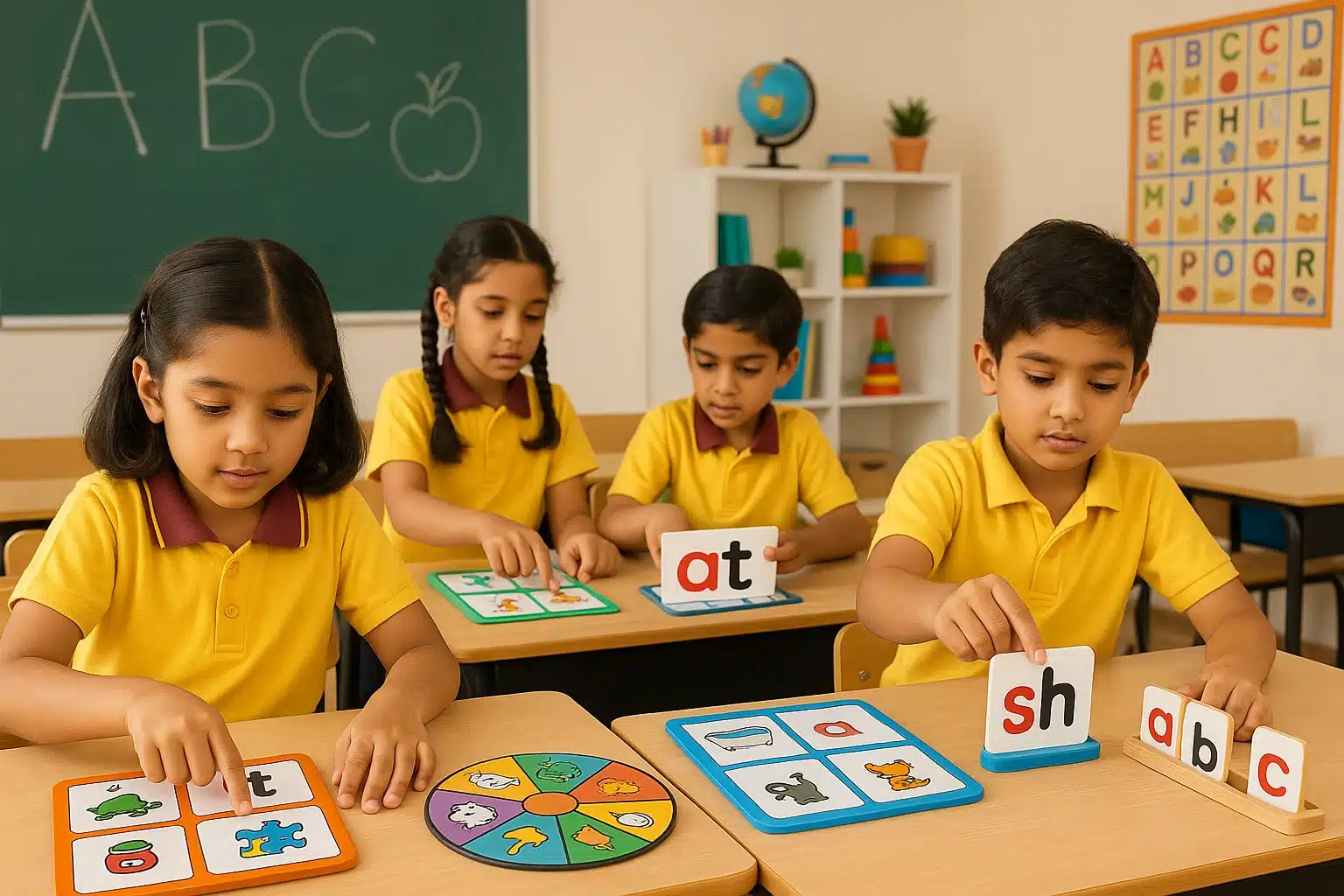
Make Learning Phonics Fun
It doesn’t have to feel like a regular lesson to learn phonics. If you do it the correct way, Teaching Phonics to Beginners can be a fun thing that kids look forward to doing every day. Kids who do Phonics Activities that are entertaining are more likely to be involved, remember things more clearly, and get better at reading.
Fun Ways to Make Learning Phonics Fun:
- Games
- Songs and rhymes
- Story time with a twist
- Craftwork and art
- Learning Outdoor
Kids learn phonics better and get better at it when they don’t feel stressed. The goal is to turn Teaching Phonics to Beginners into a fun adventure that makes kids keen to learn more and gives them confidence.
Download Phonics Course for Teacher Brochure Here.
For any Phonics Course for Teacher -related info, dial +919869546913 / +919869866277.
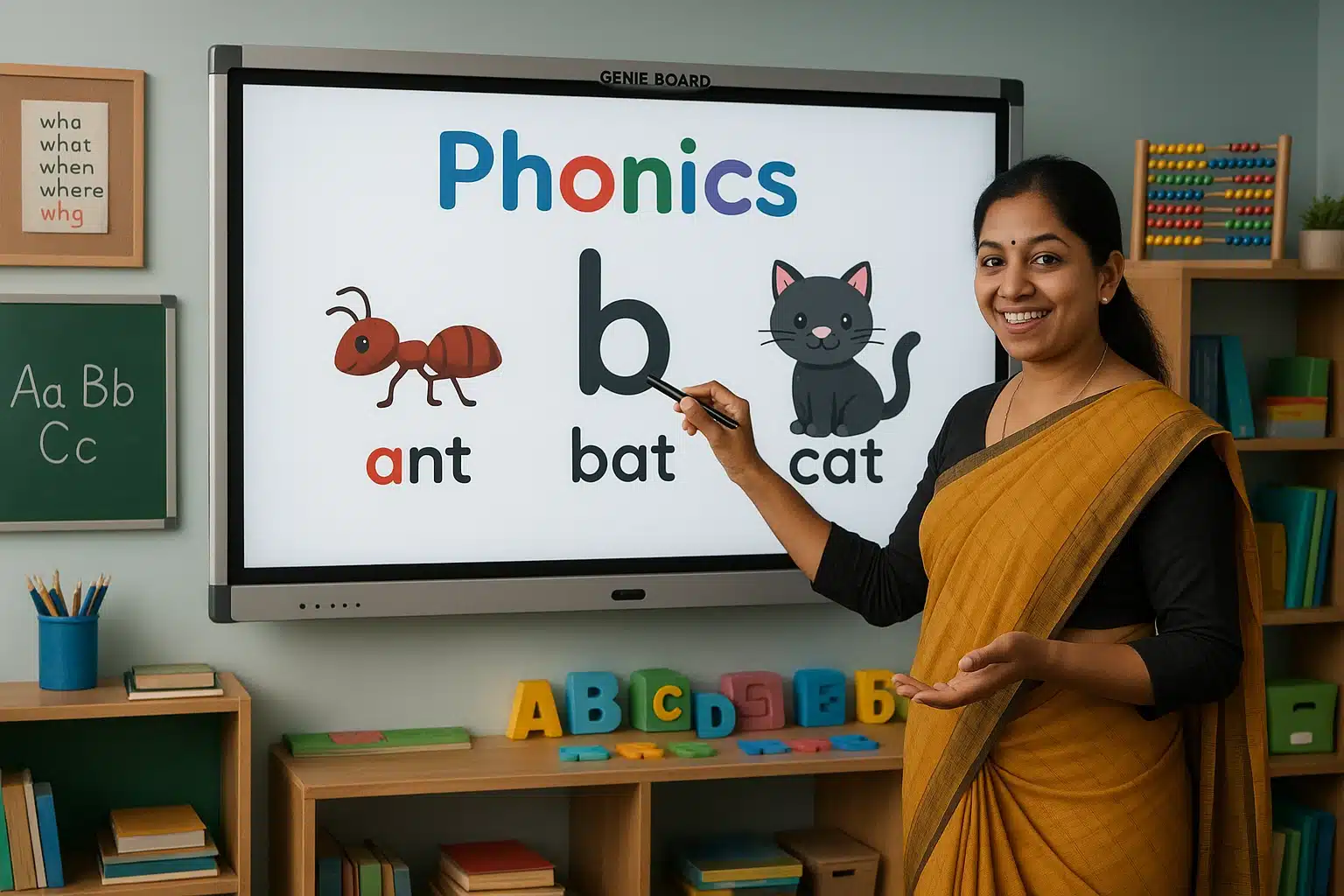
Ideas on How to Advance in Phonics after Basics is Mastered
Once kids are comfortable with the basics of phonics, like letter sounds, blending and simple digraphs, it’s significant to build on what they already know. As children get better at phonics, they also get better at reading, writing, and understanding what they read.
Practical Ideas on How to Advance in Phonics after Basics is Mastered:
Explore different graphemes
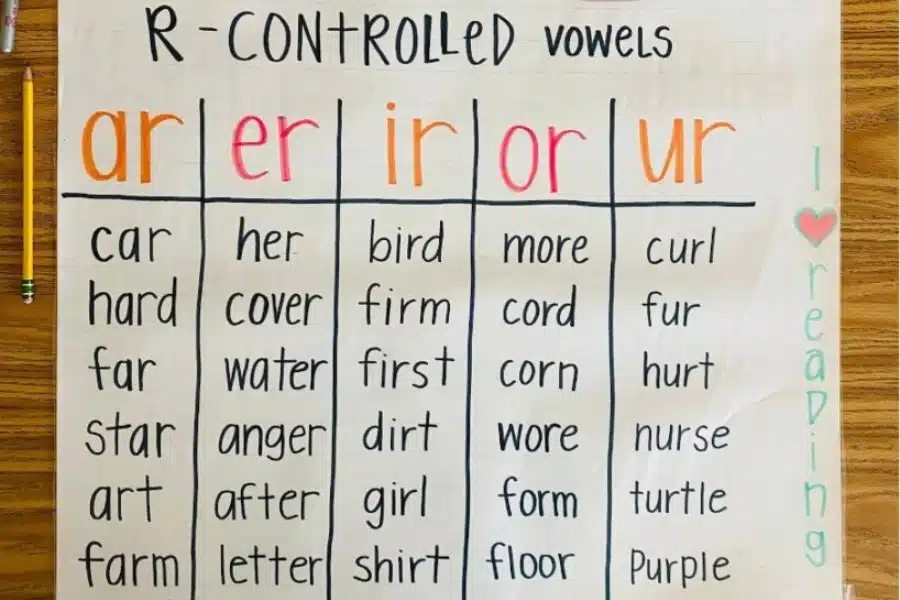
Teach that there are many ways to show one sound. Rain, day, make, eight, and apron are all words that have the long “a” sound.
Introduce complicated rules for spelling
Teach kids the rules for letters that don’t make a sound, prefixes, suffixes, etc. Words like “knight” and “happiness” help them learn how to spell better.
Focus on Fluency
Kids who read a lot learn to recognise words quickly without having to sound them out every time. Kids get faster and surer of themselves by doing short sessions every day.
Build Vocabulary through Reading
Give kids a lot of different things to read. When they come across new words in real life, they use what they know about phonics.
Encourage Writing Practice
Writing short stories or sentences is a simple way to practise spelling and using advanced phonics.
Once you know the basics of phonics, the next step is to get better at what you already know and use it when you read and write. Kids learn to be confident and learn on their own when they practise a lot.
Download Phonics Course for Teacher Brochure Here.
For any Phonics Course for Teacher -related info, dial +919869546913 / +919869866277.
Source: ytimg
How do you Structure a Phonics Lesson?
A well-planned phonics lesson keeps kids interested and helps them get better at reading and spelling. The most important thing is to keep lessons short, focused, and interactive so that students can learn sounds one at a time. If you take a Phonics Teacher Training Course, you will learn how to plan lessons well by doing these things.
Steps to Structure a Phonics Lesson:
Review
Start by going over sounds or words that were hard to learn before. This helps you remember things and gives you more confidence.
Introduce the New Sound
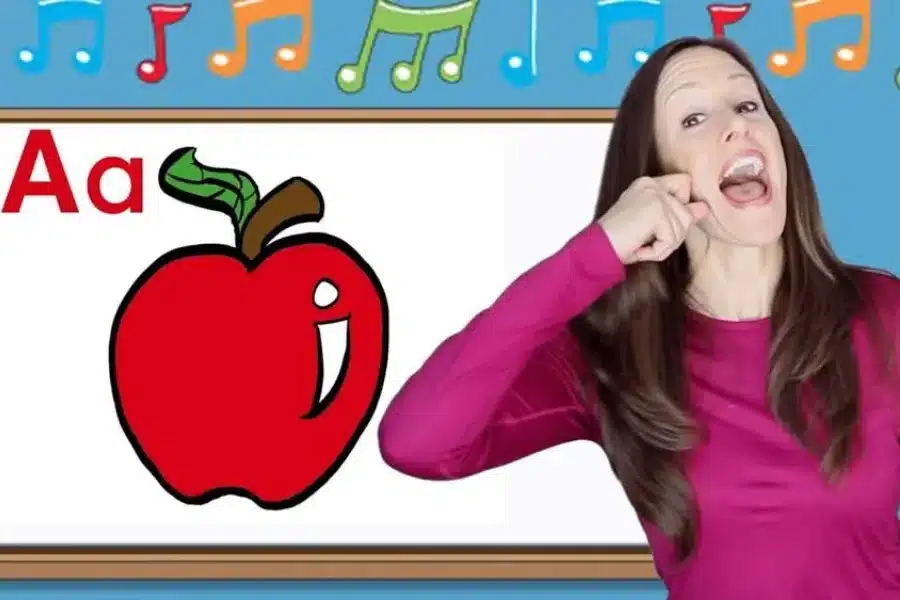
Use songs, flashcards, or other visual aids to clearly show the new letter sound.
Blending Practice
Teach kids how to mix the new sound with sounds they already know to make simple words.
Segmenting Practice
Have kids break down spoken words into sounds and then match those sounds with letters.
Apply to Reading and Writing
Use narratives, sentences, or short dictation tasks to help you remember what you learnt in reading and writing.
Interactive Activity
Add something interactive, like games, rhymes, or role play, to the lesson to make it more fun.
The Phonics Teacher Training Course at Vidhyanidhi Education Society (Govt. Regd.) gives teachers skills they can use in Teaching Phonics to Beginners in the real world. Teachers who take this Phonics Teacher Training Course will be able to help kids become fluent readers with confidence.
Join Vidhyanidhi Education Society’s Phonics Course for Teacher and transform teaching into lifelong literacy!
Download Phonics Course for Teacher Brochure Here.
For any Phonics Course for Teacher -related info, dial +919869546913 / +919869866277.
FAQs
How to Teach Phonics to Kids in a Fun Way?
Use songs, flashcards, stories, and word games. Combining learning with recreation makes phonics fun and keeps kids interested.
What is a Synthetic Phonics?
This is a way for kids to learn the sounds of letters first, and then how to put them together to read words. Vidhyanidhi Education Society teaches this in its courses.