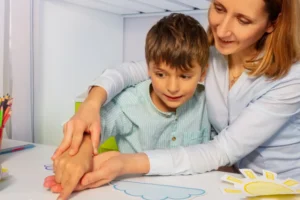

Source: freepik
Reading Disorders affect a person’s skill to read, understand and interpret written words effectively. These problems are typically related to the brain’s language processing, not to intelligence. People with Reading Disorders may have difficulty recognizing Letters, Decoding Words or Reading Fluently – which can affect their learning and self-confidence. Early identification of these problems and appropriate instruction will help students to overcome these problems and develop good reading habits.
Signs of a Reading Disorder
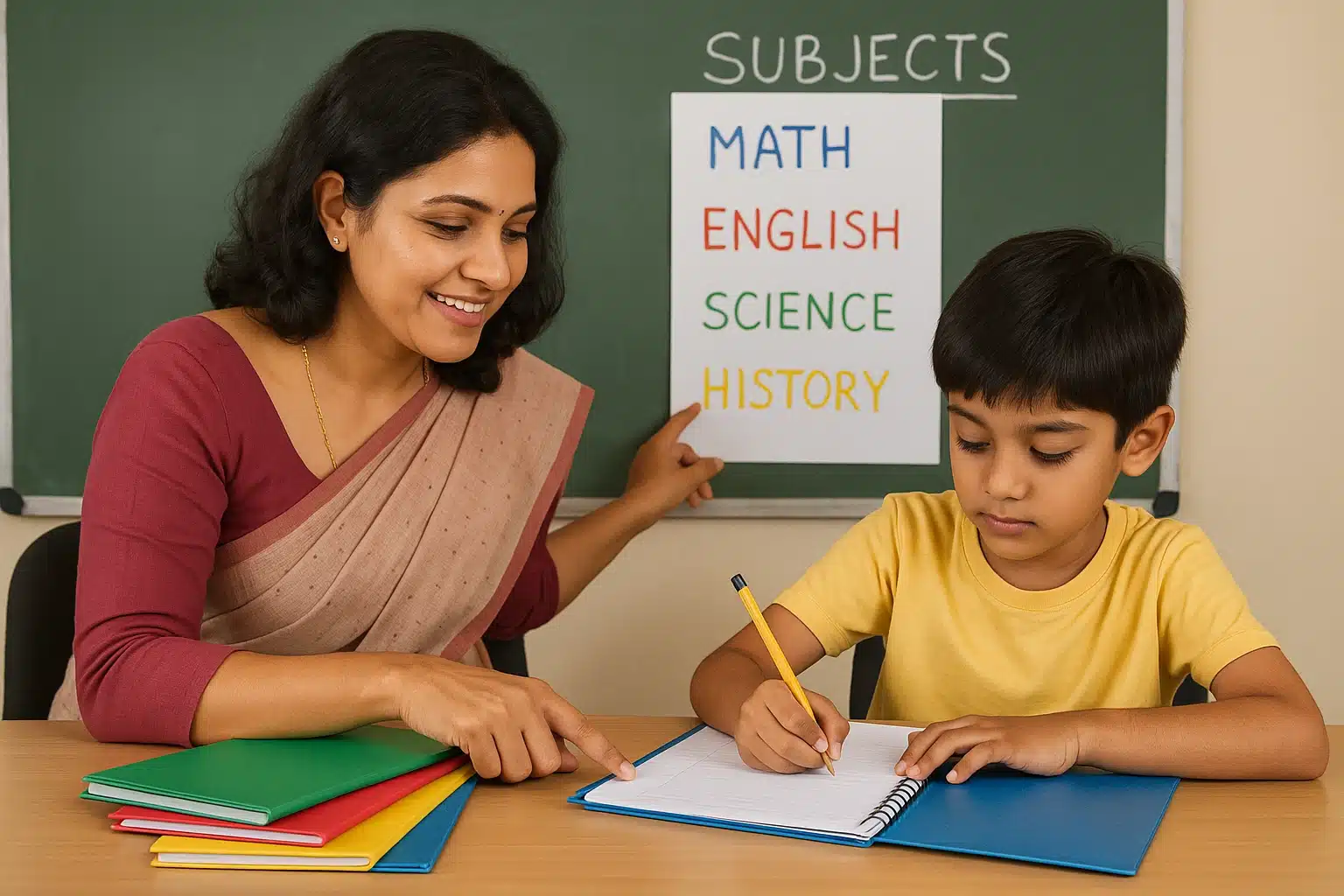
Recognizing the symptoms of a reading issue early might provide immediate support and improve academic results. These signs may appear in reading, writing and even behavior.
Key Signs of a Reading Disorder:
Phonological Processing Issues
Difficulty connecting letters with Sounds, blending sounds or identifying rhymes.
Decoding Difficulties
Struggle sounding out words, frequent misreading or confusing similar letters like b and d.
Slow Reading Fluency
Reading very slowly, with pauses and little expression.
Poor Comprehension
Difficulty understanding what has just been read or difficulty answering simple questions about the text.
Spelling and Writing Issues
Inconsistent spelling, messy writing, difficulty organizing ideas on paper.
Behavioural and Academic Signs:
- Avoiding reading activities, refusing to read aloud.
- Feeling anxious or frustrated during reading tasks.
- Homework that involves reading or writing takes a lot longer than other home assignments.
- Struggling to recall sequences (numbers, days of the week, or directions).
Signs by Age Group:
Preschool
Trouble rhyming or learning basic letter sounds.
Elementary School
Difficulty connecting sounds with letters, letter inversions after eight years of age and poor spelling.
Middle/High School
Reads more slowly. Avoids reading tasks. Difficulty with complex material.
The signs may be different from person to person, but if there are common signs, it may be worth doing more assessment and support.
For more details on the LD Course, Call/WhatsApp at +919321024137 / +919869866277
To download the brochure of the LD Course, Click Here!
Types of Reading Disorders
Different Types of Reading Disorders can affect different part of reading, including word recognition and comprehension. Each type has its challenges and may need specific strategies to support.
Word Reading Accuracy (Decoding Problems)
- Has difficulty segmenting spoken words into their individual sounds.
- Difficulty in matching sounds to letters or combinations of letters.
- Difficulty decoding unfamiliar words.
- Reads simple words incorrectly very often.
- Often goes along with problems in phonological awareness.
This type is often associated with dyslexia and can affect both accuracy and confidence in reading.
Difficulty with Reading Understanding
- Reads words correctly but does not comprehend their meaning.
- Difficulty in recalling what you have read.
- Trouble connecting ideas in a text.
- Difficulties with the meaning of words and inference.
- May have difficulty answering simple questions about the text.
Sometimes this type is associated with problems in language processing or memory rather than decoding problems.
Reading fluency difficulties
- Reads slowly with hesitations.
- While reading, hesitates and takes breaks.
- Is unable to sight-read with expression and the correct pitch.
- Difficulty in following punctuation and sentences.
- Decreased reading ability impacts overall understanding.
Though fluency difficulties co-occur with phonics understanding but may also be the only issue.
Knowledge about the same helps in knowing the specific difficulties a student faces and selecting the suitable approach to help them overcome reading challenges.
For more details on the LD Course, Call/WhatsApp at +919321024137 / +919869866277
To download the brochure of the LD Course, Click Here!
How to Help Children with Reading Disorder?
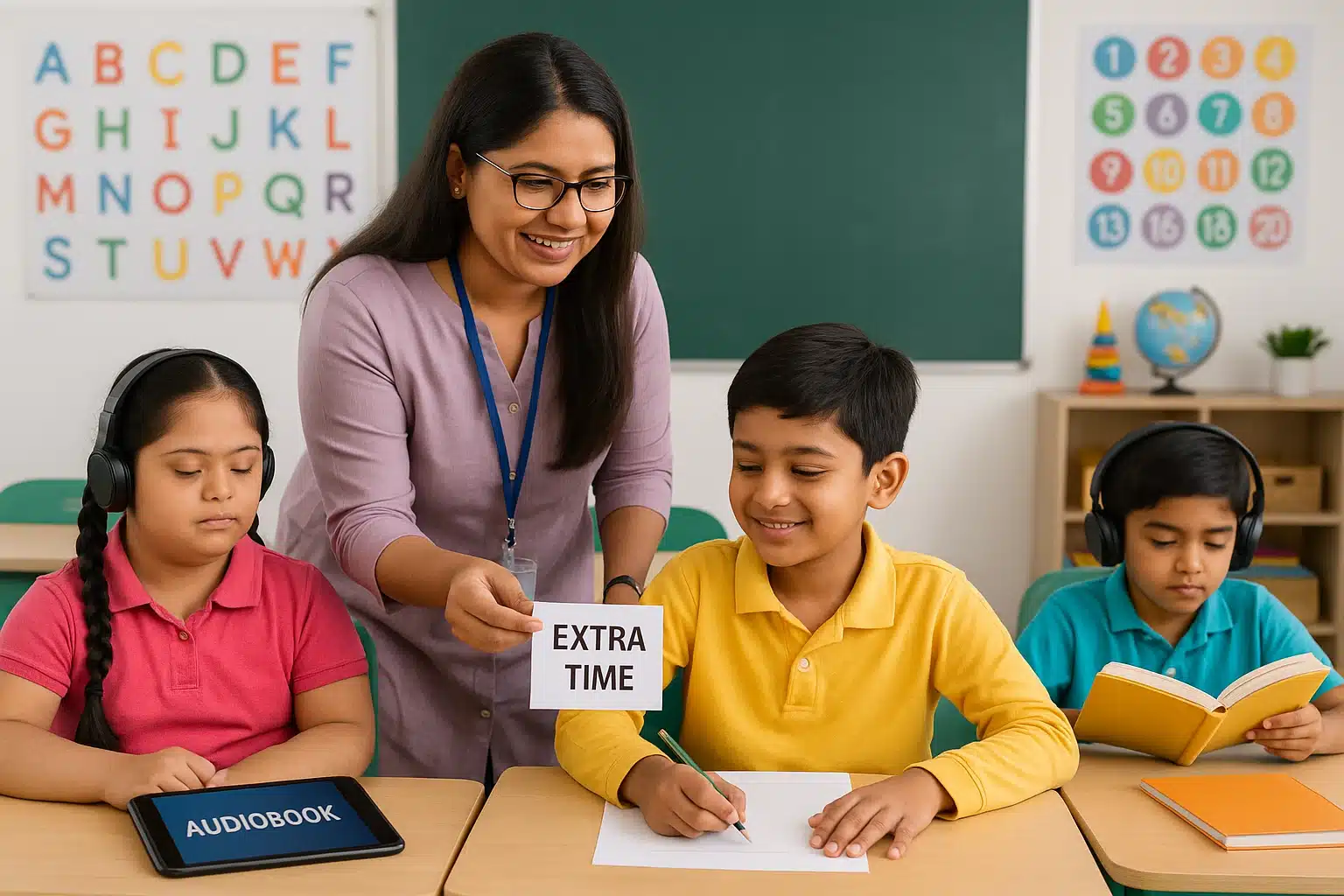
To Help Children with Reading Disorder needs patience, the right approaches and consistent guidance. Learning Disability Courses will help parents and teachers learn effective ways and give them structured support. One can even undergo Learning Disability Courses in institutes like Vidhyanidhi Education Society (Govt. Regd.), which help them gain relevant skills to help kids who have trouble reading.
Below are a few methods to Help Children with Reading Disorder:
Take Professional Assessment
- Refer to a psychologist or special educator for an apt diagnosis.
- A proper evaluation guides in making an Individualized Education Plan (IEP) or school support plan.
- Interventions are more effective with early diagnosis.
Use a variety of sensory instructional methods
- Use visual, auditory and tactile activities to enhance learning.
- Use aids such as flashcards, letter tiles and sand tracing.
- This approach helps in connecting sounds, formation, and meaning well.
Major focus on Phonics and related skills
- Don’t rush letter/sound associations.
- Teach children to sound out words they don’t know, not to guess.
- Develop confidence with books that are easy for them to decode at their level.
Read to Build Reading Fluency
- The more you read the same paragraph, the faster and more correctly you will read.
- It can be helpful to read aloud, to tell stories, to do role-play reading.
- Reading text and listening to audiobooks simultaneously helps to improve the flow and expression.
Boost Sight Word Recognition
- Work on “high frequency words” that do not follow phonics rules.
- Daily use of flashcards, games and repetition to help with recall.
- The more sight words children know the easier it is for them to read.
Foster a positive reading environment
- Reading should be an error free, stress free experience.
- Celebrate effort not perfection to build confidence.
- Select a quiet and loving place and set a time to read.
Improving Memory and Language Development
- Children are encouraged to tell stories, to think in a sequence and to play games with rhyming words.
- These games help in improving knowledge of concepts, words and memory power.
Team up with Educators and other professionals
- Consistent feedback with educators and team leads to complete support.
- A well-designed programme, like Learning Disability Courses, helps educators implement effective approaches.
- Vidhyanidhi Education Society (Govt. Regd.) provides Learning Disability Courses that support teachers and parents in knowing and addressing reading difficulties.
Helping a kid with a reading disorder is a gradual process that needs consistency and encouragement. Usage of appropriate ways, specialized therapy and applying suitable training through the Learning Disability Courses helps kids to learn reading skills, which boosts their confidence and enhances learning.
Achieve expertise with Vidhyanidhi Education Society’s (Govt. Regd.) LD course: Enrol today!
For more details on the LD Course, Call/WhatsApp at +919321024137 / +919869866277
To download the brochure of the LD Course, Click Here!
FAQs
What Are The Red Flags For Reading Difficulties?
Major warning signs are difficulty in connecting letter sounds, slow and hesitant reading and poor spelling.
What Causes Poor Reading Ability?
Poor reading may be due to problems with phonology, memory or limited exposure. A learning difficulty may also be a factor.
What Generation Reads The Least?
Research studies show that Gen Z spends less time on reading as compared to previous generations due to increased digital and screen time usage.
What Makes Someone A Slow Reader?
Slow reading may be caused by decoding issues, lack of fluency, or processing delays. Vidhyanidhi Education Society supports Reading Disorders.