Learning Disabilities Definition explains the challenges some children and adults face in reading, writing, speaking, reasoning, or understanding numbers. The Learning Disabilities Definition refers to challenges faced by individuals related to learning, like reading, writing, arithmetical problems, and following instructions. Understanding these specific problems helps parents and teachers provide timely support. Early identification and the right strategies can improve confidence, academic progress, and overall development in a meaningful way.
What is Specific Learning Disabilities?
Specific Learning Disabilities (SLD) are brain-developmental disorders that make it hard for a person to learn, process, or communicate information. These problems are not caused by being insufficiently smart. A lot of the time, kids with SLD have average or above-average IQs but still have trouble in some subjects even though they are taught them regularly.
Visual Disorder
Trouble processing visual information and interpreting it in the correct form. It is not an eyesight-related problem but a brain dysfunction in recognising patterns, shapes, and symbols.
Arithmetic Problems
Here, individuals encounter difficulty in understanding math concepts. Children with dyscalculia face challenges with number calculation, understanding time, and remembering tables.
Disorder related to Audio
Even children with good hearing encounter challenges in processing sounds, interpreting spoken words, and remembering verbal information.
Dyslexia
This learning disability impacts the reading abilities of students. Children struggle in understanding spelling, written text, and connecting letters with sounds.
Dysgraphia
Students show signs of slow writing speed, struggles in forming thoughts while writing, and expressing thoughts. This type develops into poor hand coordination and balance, leading to disbalanced writing.
Learning Disability Course dives deep into the understanding of Learning Disabilities Definition and specific disorders, offering parents, teachers, or caregivers suitable knowledge of supportive measures.
To download the brochure of the LD Course, Click Here!
For more details on the LD Course, Call/WhatsApp at +919321024137 / +919869866277

How common are Learning Disabilities?
Learning Disabilities are emerging as one of the most common disorders among children. Around 15% of children worldwide are diagnosed with learning disabilities. The early evaluation and awareness of the disorder have made it easy to measure the prevalence of Learning disabilities. But many underdeveloped areas don’t have access to accurate evaluation, assessment, and diagnosis, which limits the data information.
Ubiquity of LD
- The diagnosis percentage of learning challenges in boys is higher than that of girls.
- Children from any culture, language, or socioeconomic status are seen to be affected by LD.
- The prevalence is due to neurological differences and not to intelligence.
- With a lack of awareness and evaluation tools, many areas are unable to detect learning disorders that are underlying among children.
Types of Learning Disabilities
The common Types of Learning Disabilities include reading challenges, known as dyslexia. Writing difficulty is named dysgraphia, numerical processing disorder is termed dyscalculia, and auditory challenges and visual issues.
To download the brochure of the LD Course, Click Here!
For more details on the LD Course, Call/WhatsApp at +919321024137 / +919869866277
How are Learning Disabilities Diagnosed?
Learning Disabilities affect a major number of school-age kids across the world. According to research, between 5 – 10% of kids may have long-term problems with reading, writing, or math. For example, a child may not be able to read at grade level even though they are getting help, have trouble organizing their written answers, or have trouble with simple math. Because symptoms vary in intensity, many cases remain unidentified until educational pressure increases.
It is diagnosed from multiple sources, which are summarized below:
Detecting Early Signs
LD Diagnosis begins at home when parents and family members recognise challenges in reading, writing, and interpreting information.
Educational Evaluation
Teachers in the classroom observe and track students’ learning progress. This helps them to identify learning disabilities
Analysing Background Information
Collecting information about family history with any disorder, and pregnancy-related complications. These findings help to understand whether it runs in genes or is caused by environmental factors.
Psychological Assessment
Conducting counselling sessions, cognitive and psychological tests indicate childhood trauma, injury, poor early family support, and anxiety that are responsible for developing neurological challenges.
A series of such assessments is crucial to get the right cause and a suitable measure of improvement. Because a single indication or test is not sufficient to completely prove the existence of learning disabilities.
To download the brochure of the LD Course, Click Here!
For more details on the LD Course, Call/WhatsApp at +919321024137 / +919869866277
What are the Problems Faced by Learning Disabilities Children?
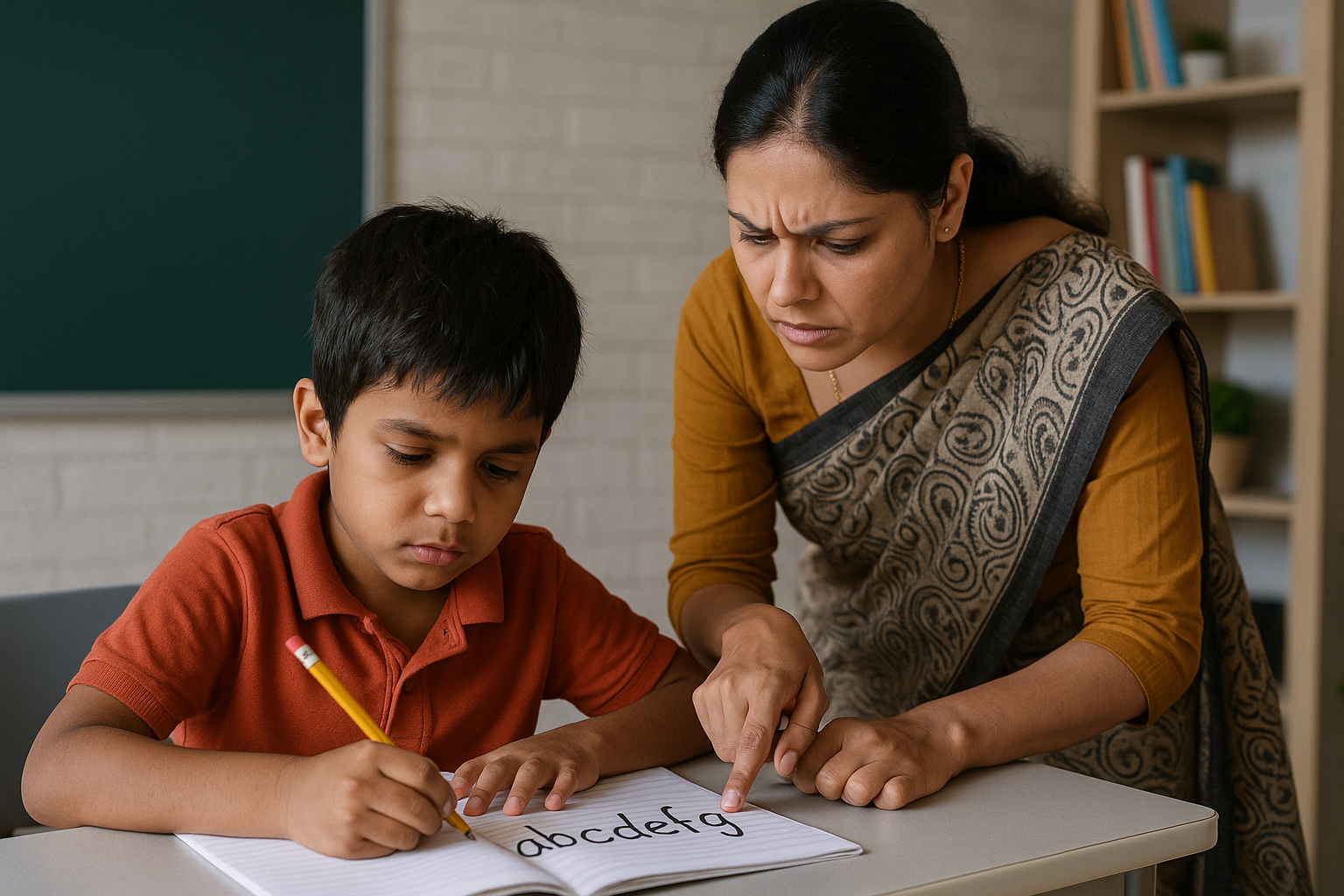
Children with Learning Disabilities face many challenges depending on the type of disorder they are diagnosed with. The problem occurs in the areas of academics, social connections, memory, and attention.
Cognitive problems
Children with LD often face problems of poor concentration, short-term focus, attention deficiency, and difficulty in retaining information over time.
Disrupted social connections
Learning disabilities lead to slow confidence, which reduces the willingness to do friendship with peer students, trust others, and build cooperative relationships.
Communication problems
This is a common problem that involves decreased efforts in communicating and interacting with fellow students, teachers, and adults. Their low self-esteem and lack of organizing thoughts create challenges in speech.
Problems in Academics
This involves problems related to slow or disruptive writing, difficulty in reading, following instructions, organising thoughts, and reduced self-confidence in classroom participation.
Disorganized Behaviour
They become unsystematic in planning tasks, completing work on time, and arranging their personal affairs.
These are some problems that are most commonly seen, while there are many underlying.
To download the brochure of the LD Course, Click Here!
For more details on the LD Course, Call/WhatsApp at +919321024137 / +919869866277

How are Learning Disabilities Managed?
The Learning Disability Course plays an important role in understanding how Learning Disabilities are managed effectively. Management does not focus on “curing” the condition but on providing structured support, skill-building strategies, and emotional guidance.
Learning Disabilities are managed through:
- Access the disability as early as possible to manage it in a better way. It allows us to focus on the lacking areas and develop strategies for improvement. The sooner a learning disability is detected, the better measures can be taken.
- Managing learning disabilities at the education level, which involves providing multisensory learning materials to build hand-eye coordination. Adjusting teaching style to align with the learning needs or speed of such students.
- Counselling sessions help in coping with anxiety, low self-esteem, and frustration. Regular psychological follow-up of speech and occupational therapy helps to improve the condition.
- Disorders are better managed when parents are equally involved in encouraging children, appreciating their strengths, maintaining a positive home environment, and following a routine.
A Learning Disability Course from Vidhyanidhi Education Society (government-registered) is designed to build awareness, understanding, and strategic knowledge of learning challenges. Children can achieve academic and social success with the right help and support acquired from trained educators.
Support Success! Join Vidhyanidhi’s LD Course and Make Learning Easier Today!
To download the brochure of the LD Course, Click Here!
For more details on the LD Course, Call/WhatsApp at +919321024137 / +919869866277
FAQs
What Is The Biggest Problem For Most Students With Learning Disabilities?
The biggest problem is having trouble in school with reading or math, which makes them feel bad about themselves, angry, and afraid of failing in class.
What Difficulties May A Person With Learning Disabilities Face?
They may struggle with understanding, spelling, calculations, organization, time management, and social interaction despite average intelligence.
What Are The Two Areas Most Often Affected By A Learning Disability?
Reading and writing are most affected. Learning Disabilities Definition helps explain these challenges clearly; Vidhyanidhi Education Society spreads awareness.
What Is The Most Common Learning Disability Found Among Students?
Dyslexia is the most common learning disability, affecting reading fluency, word identification, spelling, and overall understanding skills.