
Source: joyfultots
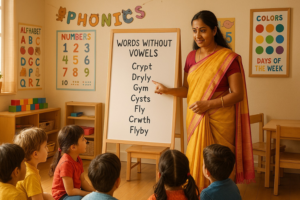
Understanding how kids study is important to providing the right educational support. Some students face unique challenges that affect how they process information, known as learning difficulties. These difficulties can impact reading, writing, math, memory or attention. Identifying the examples of learning difficulty helps parents, teachers and caregivers identify the signs early and take the right steps to help kids.
Dyslexia, Dyscalculia, Dysgraphia and ADHD are all common Learning Disabilities. These diseases all make it harder for kids to learn in various ways, but with the right help, support and personalised teaching approaches, they may make real progress. Finding and dealing with these problems at the correct time helps children feel good about themselves and do well in school and in life.
What are the Types of Learning Difficulties?
It takes children with learning problems longer to understand, process and react to knowledge. These problems can be mild or serious and affect things like reading, writing, speaking or problem-solving. Teachers and parents can help kids do well in school and feel good about themselves if they know about the different types of learning problems.
Here are the important types of learning difficulties:
Reading Disorder Dyslexia
- It is a language-based learning disability hampering the child’s reading competencies and writing skills
- Decoding words, trouble remembering the sounds of the letters and processing words is a major struggle for the child.
Dyscalculia Math Disorder
- It affects the ability of the child to understand numbers, their value and their order
- Performing simple math operations of addition, subtraction and multiplication is a challenge.
Dysgraphia Writing Disorder
- Hampers the child’s fine motor skills, directly affecting the finger grip, impacting their writing.
- The child cannot write words in their defined space, leading to illegible handwriting.
- Dyspraxia (Developmental Coordination Disorder)
- It has an impact on the movements of the child, especially those that require eye-hand coordination, such as cycling, tying shoelaces, etc.
- The child often bumps into others while walking, as their movement planning is very poor.
Auditory Processing Disorder (APD)
- The brain’s capability of decoding sounds is affected due to which can make understanding spoken instructions an issue.
Visual Processing Disorder
- The brain’s region in charge of decoding visual information is not fully developed.
- As the brain does not interpret visual information properly, the child’s comprehension skills and copying text can be severely impacted.
Attention Deficit Hyperactivity Disorder (ADHD)
- Affects concentration, attention span, and impulse control.
- Students may appear restless, easily distracted, or find it difficult to stay focused on tasks
Gaining valuable insights into the different types of learning disabilities helps to determine the real areas of concern and enables teachers to initiate the intervention approaches at a much early stage. With the help of meticulously designed IEPs that comprise thoughtfully curated teaching methodologies and therapies, every child’s learning needs are taken care of, and every child’s holistic progress is given due importance.
For more details of the Best LD Course, Call / WhatsApp on +919321024137 / +919869866277.
Click here to download the Best LD Course brochure!
Source: wordunited
Examples of Each Learning Difficulty
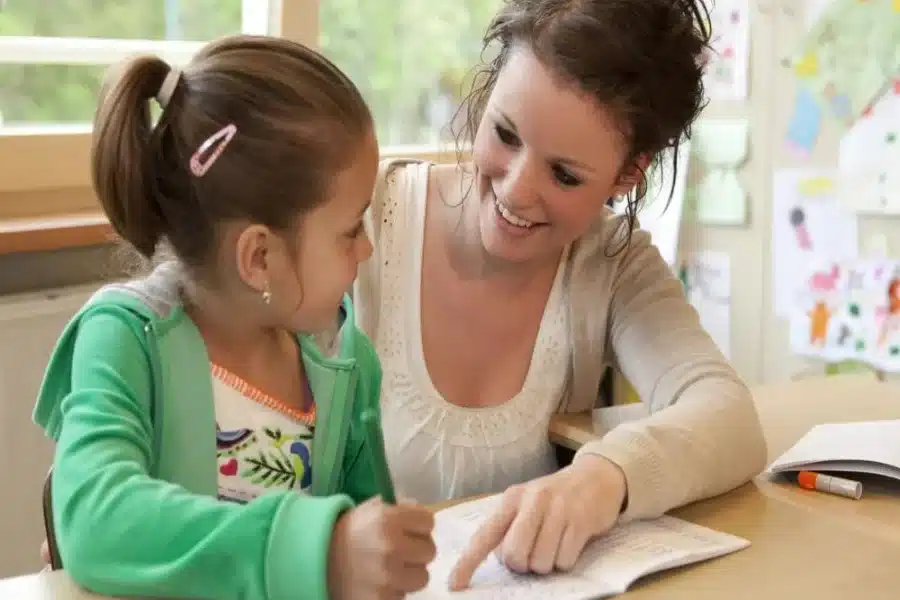
It is easier to understand learning problems when we see examples of how they affect learning every day. Each kind of learning issue affects reading, writing, speaking, listening or problem-solving skills in different ways for each kid. Teachers and Parents can give the right help and advice when they recognize these early on.
Here are some examples of each learning difficulty:
- A child may confuse similar-looking letters like b and d.
- When the child is asked to read alone, they can make a lot of mistakes.
- Difficulty remembering spellings or understanding written instructions.
Dyscalculia
- Difficulty in understanding abstract concepts of money, time and order
- Learning simple math operations, such as addition or subtraction, can be a challenge
- Performing basic calculations, arranging numbers, and even sequencing is an issue.
Dysgraphia
- Illegible handwriting that is not within the defined space
- Putting thoughts on paper is a struggle
- Complaining of hand pain and hesitation to write.
Dyspraxia (Developmental Coordination Disorder)
- Difficulty holding pencils, scissors or tying shoelaces.
- Trouble copying shapes or following movement patterns in sports or dance.
- Clumsiness or frequent dropping of objects.
Auditory Processing Disorder (APD)
- Misunderstanding verbal instructions, especially in noisy atmospheres.
- Asking for repetition even when hearing is normal.
- Trouble following stories or classroom discussions.
Visual Processing Disorder
- Exchanging the order of letters while writing and reading.
- Making sense of what they are seeing and then copying it in their books is an issue.
- Sudden eyestrain or headaches while reading.
Attention Deficit Hyperactivity Disorder (ADHD)
- Staying focused on a single task is a struggle
- Continuous moving around
- Getting distracted by the slightest movements around.
By understanding these examples of each learning difficulty, teachers and parents can make helpful approaches to build confidence and make learning a positive experience.
For more details of the Best LD Course, Call / WhatsApp on +919321024137 / +919869866277.
Click here to download the Best LD Course brochure!

Source: maggiedent
Which Learning Difficulty is Most Common?
Dyslexia is the most common learning problem for both kids and adults. It mostly affects how well people can read, write and spell, which makes it more difficult for them to quickly and correctly understand words. Even though dyslexia can make things harder, students can do well in school and elsewhere if they get the right help and learn in a structured way.
Reasons why dyslexia is the most common learning disability are listed below:
Common occurrence
Research suggests that dyslexia affects about 5 to 10% of the population, and at times, certain cases go unnoticed.
Basic struggles
Children struggle to do basic reading; fluency of reading is hampered, and making sense of the reading material is an issue.
Reasoning abilities
Dyslexic individuals have strong reasoning skills, are good at problem-solving.
Academic aid and guidance
Support Strategies, when implemented in the form of academic aid and personal guidance, can help make a positive impact on the learning skills of the child in the long run.
When the small Symptoms of Dyslexia are identified at an early stage, it helps to initiate the intervention process at a much earlier stage, making learning a stress-free process for the child and providing assurance to the child that they too can read fluently and overcome their learning challenges, helping them read independently.
For more details of the Best LD Course, Call / WhatsApp on +919321024137 / +919869866277.
Click here to download the Best LD Course brochure!
Source: kinderpedia
How to Handle Learning Difficulties?
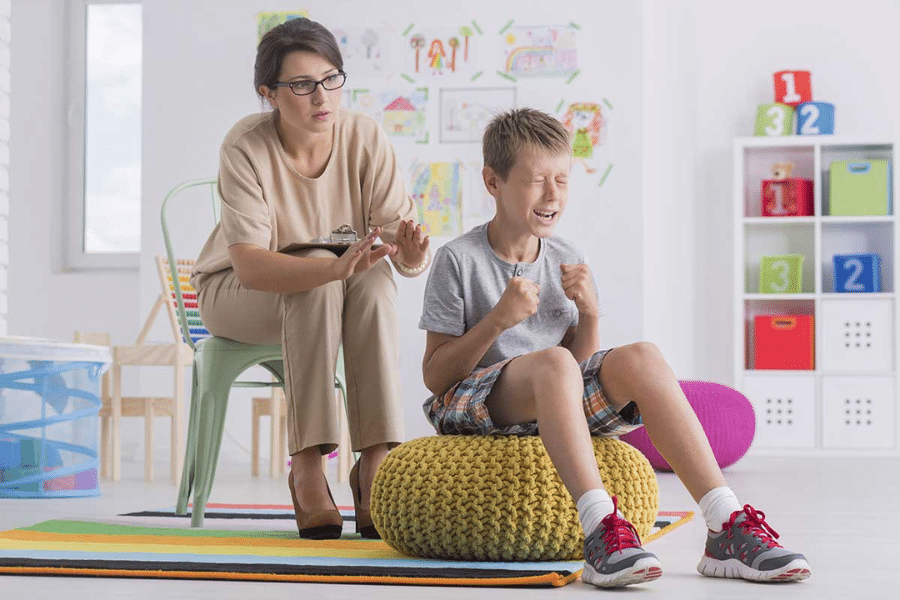
Children with learning difficulties need the desired academic aid and guidance to attain their learning goals. They must put in a lot of effort to achieve their learning outcomes and may not always succeed. Therefore, to address their learning needs and help them, teachers must possess an empathetic attitude, a patient mindset, and a keen desire to make a positive impact on the lives of young children.
The teacher must implement techniques that suit each Child’s learning needs and accordingly plan the class, making the learning journey of the child highly enjoyable, ensuring attainment of their learning goals, and improving their self-confidence to form meaningful relationships in school as well.
Some important ways to Here are some important ways to handle learning difficulties:
Early Identification
Observe learning patterns and seek professional assessment if a child consistently struggles in specific areas.
Individualised Learning Plans
Tailor teaching methods to suit the child’s strengths and challenges for better engagement.
Implementing a multi-modal form of teaching techniques
Use a blend of visual, auditory, and hands-on learning activities to suit the child’s learning styles, making learning stress-free for the child.
Appreciation
Always appreciate the child’s smallest efforts, encouraging him to strive a little harder for better results and build his morale.
Contribution by Parents
Parents should be encouraged to be an important aspect of the intervention program to foster communication between teachers and parents, ensuring that the child’s learning is fostered at home as well.
Power-backed AI tools
Use AI-backed innovative learning tools to help the child learn in a joyous manner, enhancing their attention span.
By focusing on encouragement, structure, and early intervention, children with learning difficulties can build essential skills and reach their full potential.
For more details of the Best LD Course, Call / WhatsApp on +919321024137 / +919869866277.
Click here to download the Best LD Course brochure!
Source: greatschools
Guidelines for Teachers to Manage Learning Difficulties?
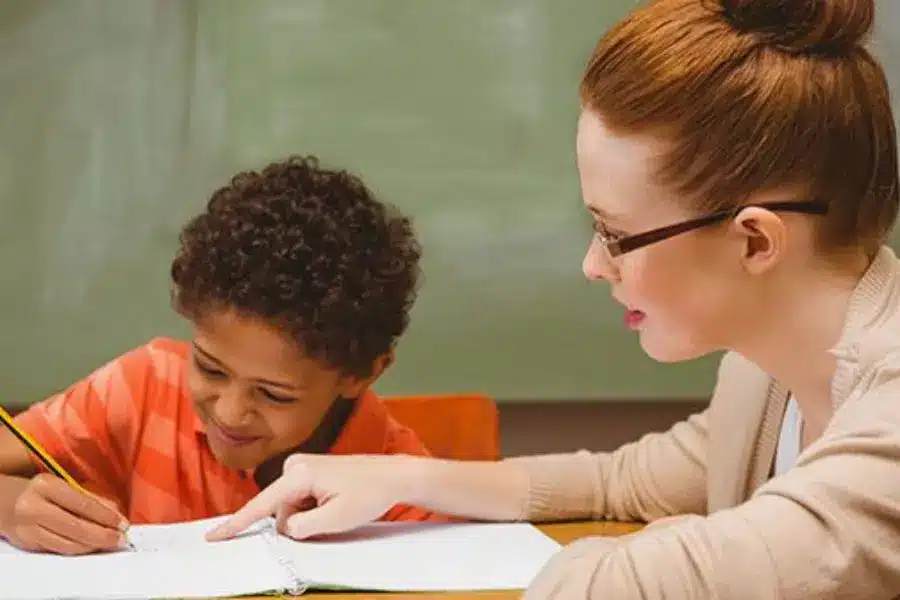
Children with learning difficulties have diverse ways of absorbing information, so they have to be catered to in a manner that suits their learning styles. Only skilled special educators can make a positive impact on the learning process of the child, ensuring that the child understands the topics properly. A Learning Disability Course can help teachers learn more about how to deal with these problems in the right way.
Here are some key guidelines for teachers:
Identify Early Signs
Identify difficulties in reading, writing, or attention, and address them promptly using methods learned through a Learning Disability Course.
Modify teaching techniques
Change your teaching method in case the current method is not yielding the desired outcome.
Encourage Individual Progress
Concentrates on improvement rather than comparison to build confidence.
Provide Emotional Support
Offer a positive atmosphere where students feel comfortable expressing difficulties.
Positive alliance with Parents
Encourage regular communication with Parents so that they are well-informed about the child’s progress.
Use effective evaluation methods
Use appropriate assessment tools that help the child to properly demonstrate what they have studied, ensuring their academic growth.
Seek Professional Development
Joining a Learning Disability Course by Vidhyanidhi Education Society (Govt. Regd.) helps teachers gain expertise in managing various learning needs effectively.
With proper training and understanding, teachers can make a lasting difference in the lives of kids with learning difficulties.
What are the Examples of Learning Difficulty?
Join our Best LD Course at Vidhyanidhi Education Society!
For more details of the Best LD Course, Call / WhatsApp on +919321024137 / +919869866277.
Click here to download the Best LD Course brochure!
Learning Disability Course
FAQs
What is the Most Common Learning Challenge?
Dyslexia is the most common learning challenge, making it difficult for learners to read, spell, and understand written language effectively.
How Common are Learning Difficulties?
About 10–15% of students have some kind of learning problem, which affects their academic and social growth in different ways.
What is the hardest thing for teachers to do in the classroom?
A lot of the time, teachers have a hard time making sure that all of their students receive the care and help they need, since each student learns in their own way.
In the classroom, what makes it hard to teach some students?
Reading, writing, memory, and attention are all common problems in the classroom that make learning harder. Vidhyanidhi Education Society gives classes that help teachers learn how to do this well.