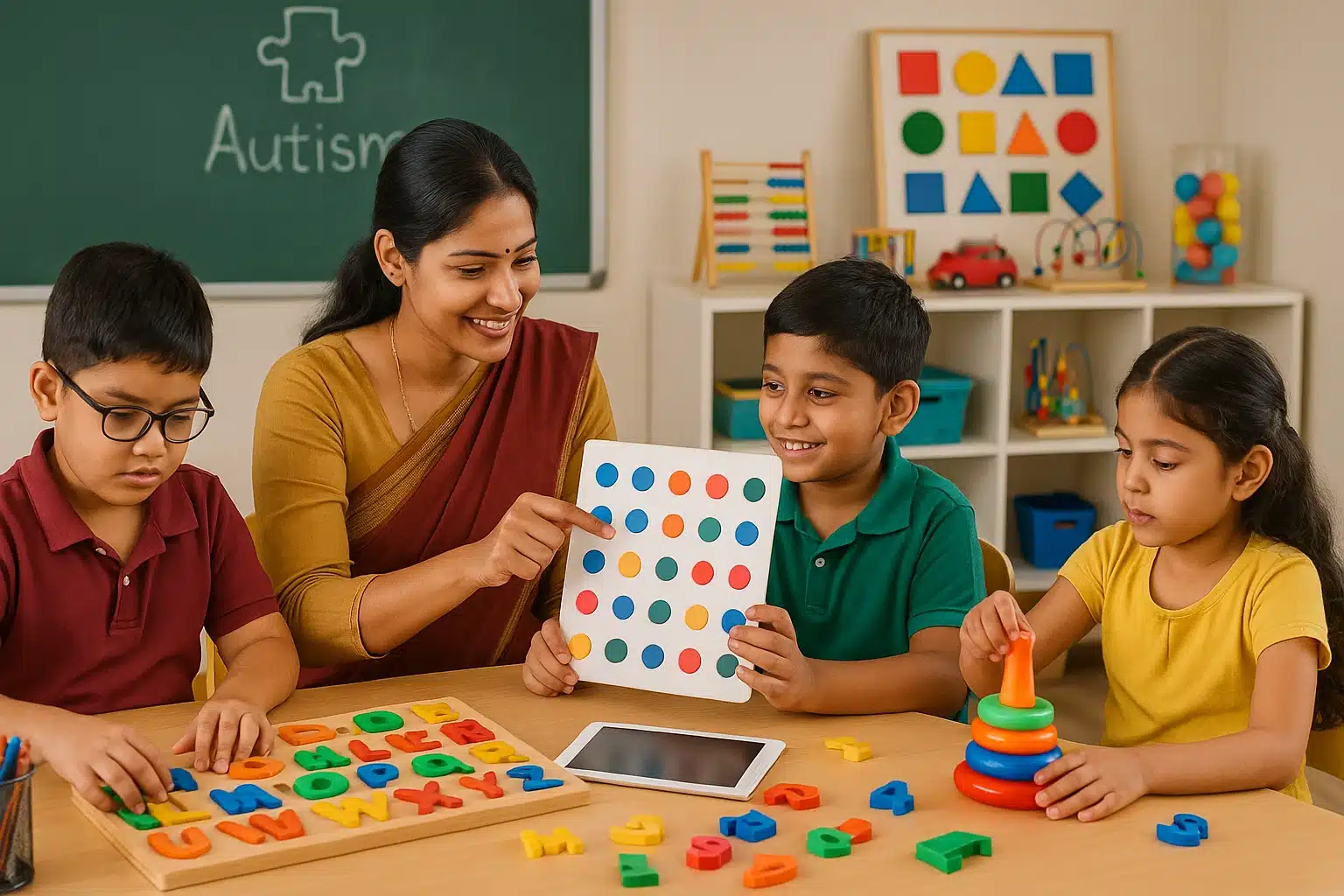
Causes of Learning Difficulty in which Kids with learning difficulties face a hard time understanding, learning and responding to information they encounter in their daily life. Kids have a hard time reading, writing, talking or even concentrating in the classroom.
The Reasons for Learning Disorders usually include a mix of factors, like genetics, the way the brain develops, health conditions or the environment, for example not being exposed to enough learning at an early age. Identifying these causes early helps parents and teachers provide the correct kind of assistance, making learning easier and more successful for each child.
What are Learning Difficulties?
Learning Difficulties are disorders that affect how a kid understands, processes and remembers information. They do not reflect intelligence but indicate differences in how the brain works. Kids with learning difficulties need additional support to learn in school and daily life.
Some common types of learning difficulties include:
- Dyslexia: Affects reading, spelling and word identification.
- Dyscalculia: Facing problems with understanding numbers and math concepts.
- Dysgraphia: Issues with writing skills, including handwriting and organization
- Auditory Processing Issues: Difficulty understanding spoken instructions
- Visual Processing Issues: Trouble interpreting visual information
Signs in children might include reading slowly, difficulty following directions or poor memory. Through early identification and the correct training methods it may be a game changer. By the right guidance, patience and structured help children with learning disabilities may improve their skills and develop confidence in their learning journey.
To download the brochure of the LD Course, Click Here!
For more details on the LD Course, Call/WhatsApp at +919321024137 / +919869866277
Possible Causes of Learning Difficulties
Possible causes of learning difficulties are linked to how a kid’s brain develops and processes information. These challenges are not related to intelligence but to differences in brain functioning.
Some key causes include:
Genetic Factors
A family history of learning difficulties suggests a strong genetic effect.
Brain Development and Neurobiology
At times, change in how the brain is built or how the brain signals are sent, can affect the way person receives, process and understand information.
Prenatal and Birth Complications
When kids do not get proper nutrition during their early years or lack of oxygen at birth can affect the brain development.
Environmental and Toxic Exposure
Contact with harmful substances like lead or polluted environment for staying near factory area may affect learning ability.
Illness or Injury
Brain Development can be affected by brain infections, high fevers, or head injuries.
The causes can result in difficulties in reading, writing or mathematics that require timely support and structured learning approaches.
To download the brochure of the LD Course, Click Here!
For more details on the LD Course, Call/WhatsApp at +919321024137 / +919869866277
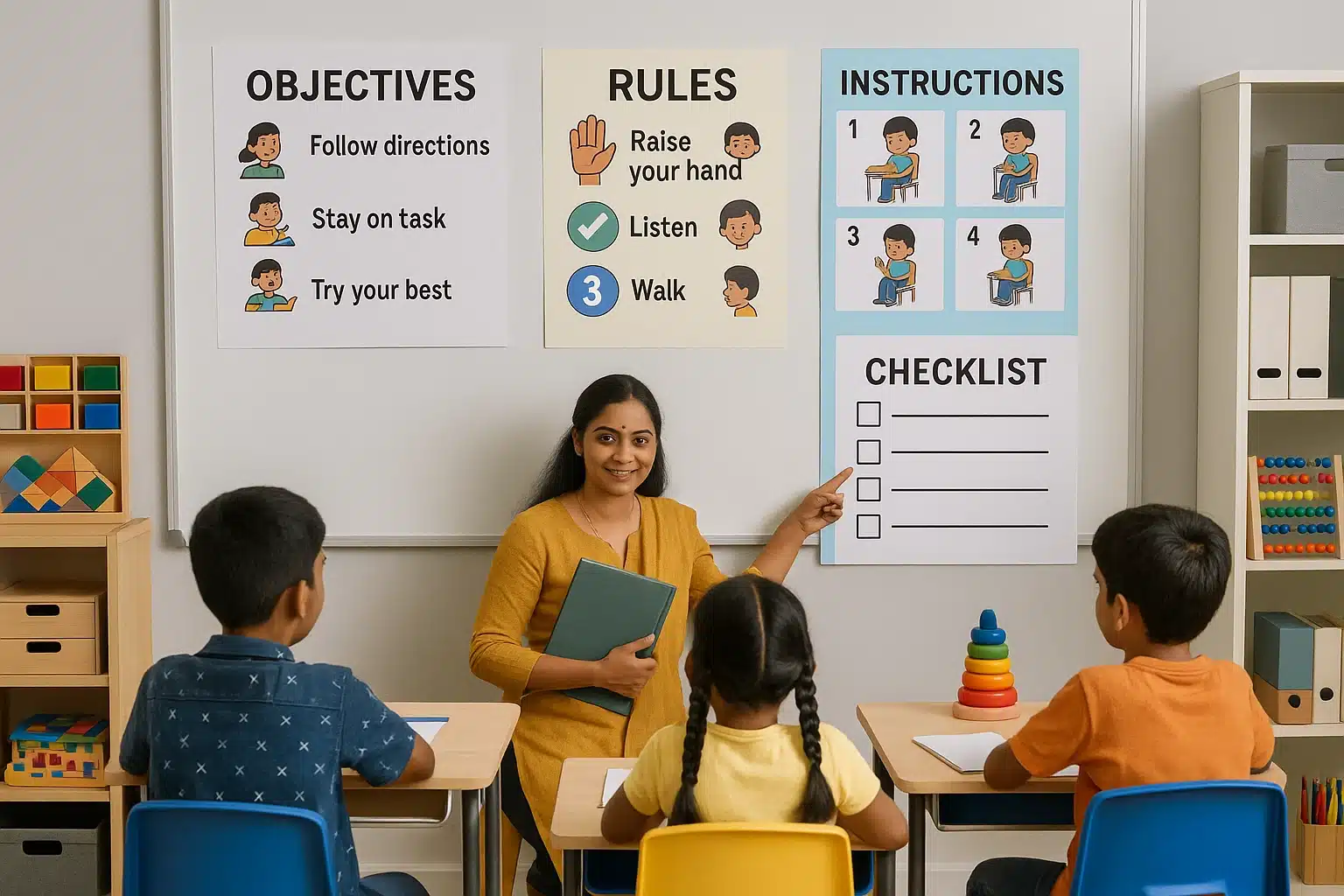
Early Signs of Learning Difficulties in Children
Learning difficulties in kids can show up at an early age and may affect child’s language, movement, memory and behavior. Identifying these signs early helps children receive support and improves learning results.
Some common early signs include:
Language & Pre-Reading
Delayed speech, unclear pronunciation and slow growth in vocabulary. Difficulty with rhyming and trouble learning letters, colours or shapes. These are the signs of language and pre-reading.
Motor & Coordination
Kids may have difficulties with holding pencils, crayons or scissors, trouble with buttons or zippers. May avoid or struggle with drawing activities and other hand activities.
Cognitive & Memory
Children may have trouble following multi step command, remembering information, or understanding directions such as left and right.
Academic & Behavioural
Kids struggle with reading, writing or basic math. They have short attention span, poor concentration and emotional reactions when faced with school tasks.
Infants and toddlers could experience difficulty memorizing Nursery Rhymes, recognizing patterns or following routines. Repeated issues may be an early symptom of learning difficulties and may need appropriate help and guidance in time.
To download the brochure of the LD Course, Click Here!
For more details on the LD Course, Call/WhatsApp at +919321024137 / +919869866277
Types of Learning Difficulties
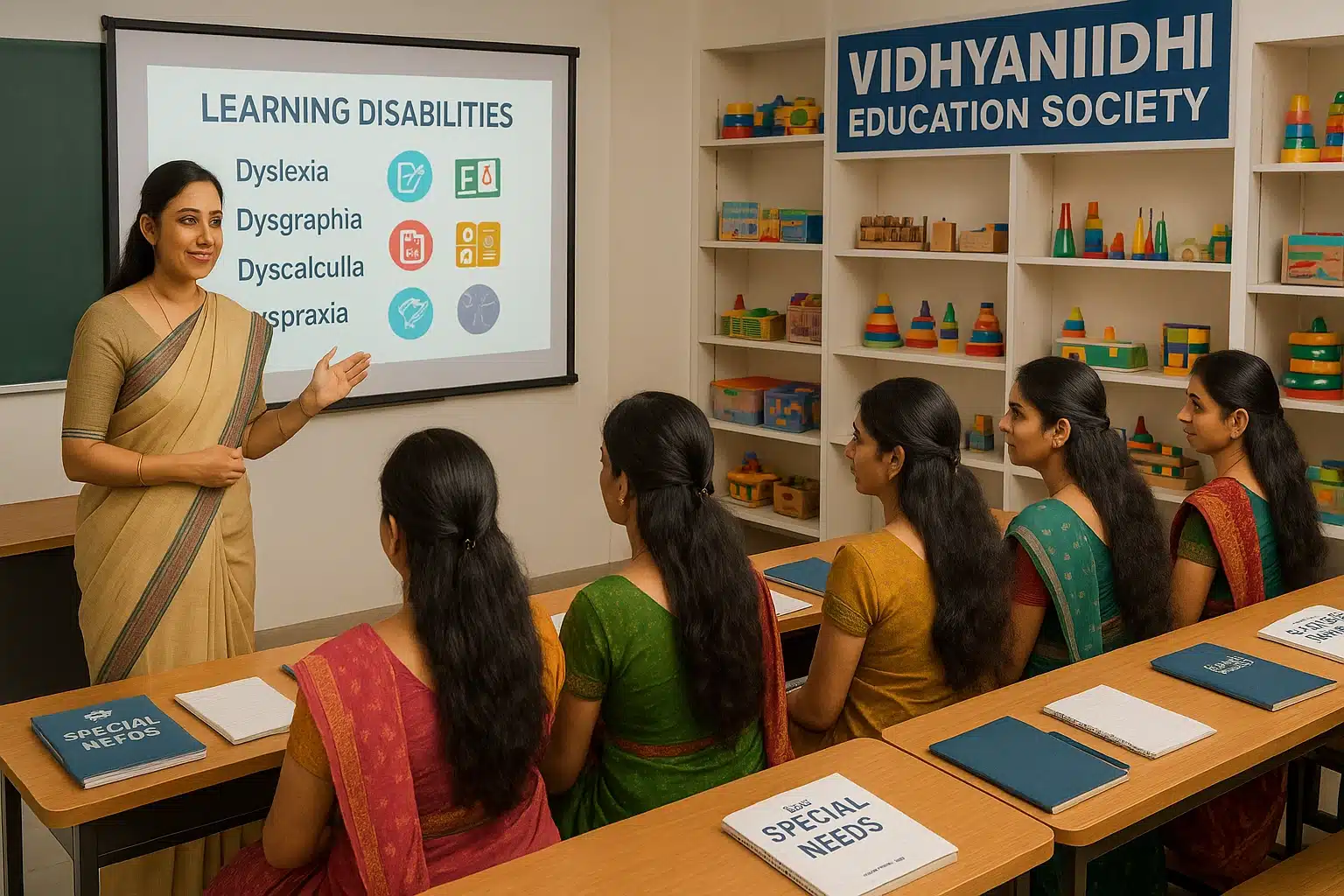
Learning difficulties affects how kids understand, process and use information. They find trouble with reading, writing, math and communication or other tasks challenging. These difficulties are not related to intelligence. Children with learning difficulties have average or above average intelligence.
Primary Types of Learning Difficulties:
Dyslexia (Reading)
Difficulty with word recognition, spelling and reading knowledge
Dysgraphia (Writing)
Problems with handwriting, spacing and organizing thoughts on paper
Dyscalculia (Math)
Difficulty in understanding numbers, time and basic calculations
Auditory Processing Disorder (APD)
Difficulty understanding spoken language and distinguishing sounds
Visual Processing Disorder
Trouble interpreting visual details, leading to reading or spatial issues
Nonverbal Learning Disabilities (NVLD)
Strong verbal skills but weak social and visual-spatial understanding
Language Processing Disorder (LPD)
Difficulty understanding and expressing language clearly
Other Related Challenges:
Dyspraxia
Poor coordination and motor planning skills
Processing Speed Disorder
Slower ability to complete tasks or understand information
ADHD
Affects attention, focus, and behaviour, often seen alongside learning difficulties
Kids can manage these problems and improve their learning skills with proper support.
To download the brochure of the LD Course, Click Here!
For more details on the LD Course, Call/WhatsApp at +919321024137 / +919869866277
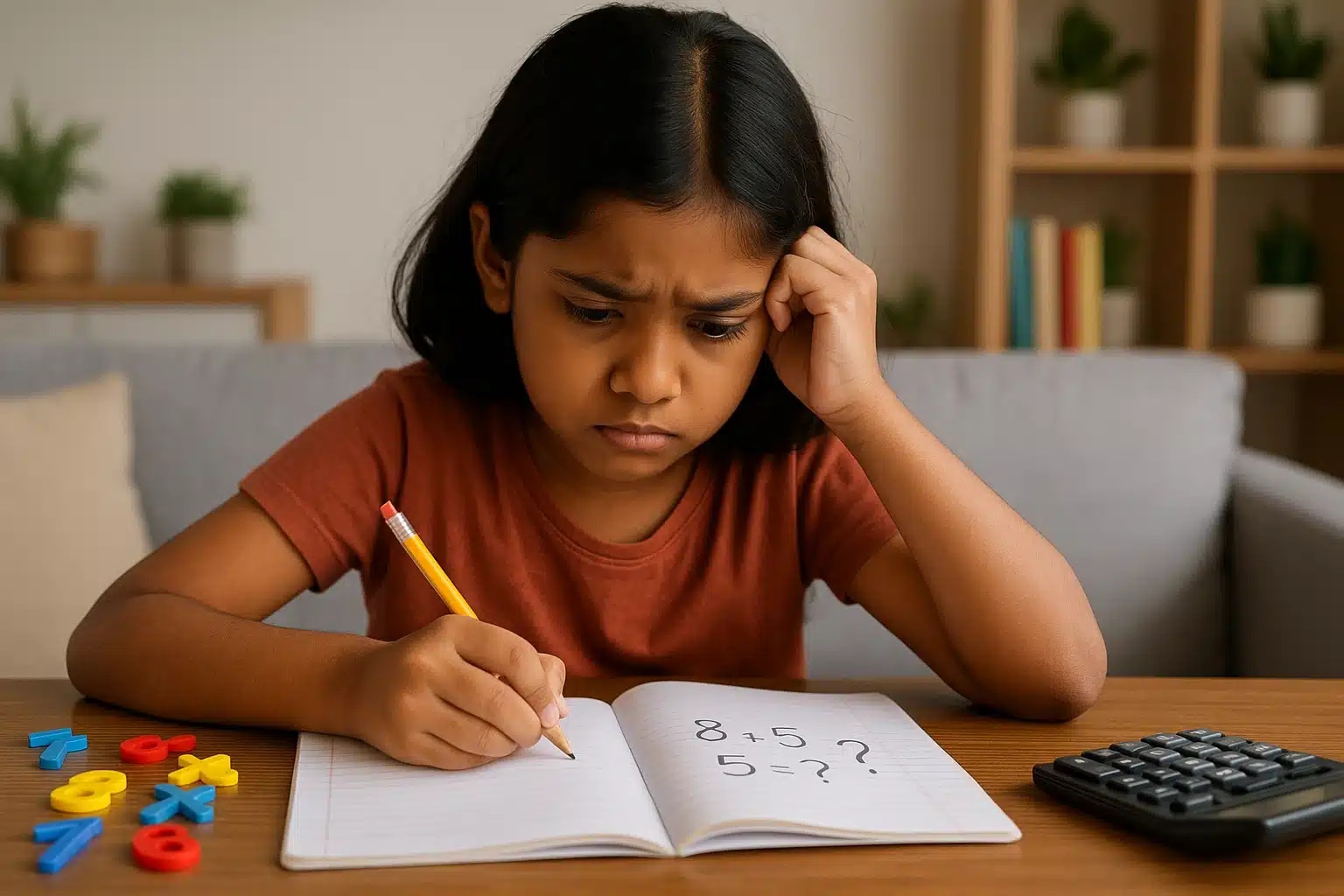
Therapy and Support for Learning Difficulties
Children with learning issues may learn better, overcome hurdles and develop confidence with the right help and treatment. With an orderly strategy and the correct guidance they may improve their learning skills simpler and effective. A Course on Learning Disabilities may also assist instructors and parents understand how to better aid the youngsters.
Key Therapy and Support Options:
Special Education Programs
Individualized teaching methods are designed to match the child’s learning pace and needs
Speech and Language Therapy
Helps children improve communication, pronunciation and understanding of language
Occupational Therapy
Supports fine motor skills like writing, coordination, and daily activities
Multisensory Teaching Techniques
Using touch, sound, and visuals together helps children grasp concepts more easily
Behavioural Therapy
Helps manage emotions, improve focus, and build positive learning habits
Assistive Technology
Tools like audiobooks, speech-to-text software, and learning apps support independent learning
Learning Disability Course offered Vidhyanidhi Education Society (Govt. Regd.) that provides individuals with practical skills and methods to handle different learning needs. This Learning Disability Course is helpful for teachers, parents and caregivers who want to create a supportive learning environment.
Support Success! Join Vidhyanidhi’s LD Course and Make Learning Easier Today!
To download the brochure of the LD Course, Click Here!
For more details on the LD Course, Call/WhatsApp at +919321024137 / +919869866277
Causes of Learning Difficulty
FAQs
What are the Signs of Learning Difficulties?
Symptoms can include reading problems, writing and memory problems, poor concentration, delay in speech or difficulty following directions or understanding ideas.
At What Age Do Learning Disabilities Start?
Learning disabilities often begin in early childhood, but signs usually appear when a child starts school and faces structured learning tasks.
Can A Child Overcome A Learning Disability?
Kids may not overcome on their own, but with good support, therapy and teaching methods, they can improve skills and manage learning effectively.
What Is The Best Treatment For Learning Disabilities?
Best support includes special education, therapy, multisensory teaching, and assistive tools tailored to the child’s specific needs.