
Source: ldaamerica
Dyscalculia is a neurological condition affecting the ability to understand math concepts, do basic calculations, and tell the right time. Despite having average intelligence, individuals can encounter difficulty with maths.
It is connected with the brain’s cognitive function, which is disrupted, affecting numerical and arithmetical understanding. Signs of dyscalculia are seen in early childhood with poor academic performance. Deeper evaluation helps to apply strategies related to classroom accommodation, adjusting teaching style, and using technological tools to support children with dyscalculia.
What is Dyscalculia?
Difficulty with Maths is known as dyscalculia in psychological termed it occurs due to an alteration in neurological functioning. When an individual’s neurological functioning is affected, the cognition shows differences in understanding numerically related concepts.
Signs or Symptoms of Dyscalculia
- Struggles with basic math calculations (addition, subtraction).
- Challenges in understanding clock time.
- Difficulty in remembering numbers, math formulas, and concepts.
- Unable to recognize whether 2 is bigger than 3 or not
Assessment methods
With a single symptom or sign, one cannot confirm dyscalculia in a student. A series of screenings is required to understand the exact cause and implement targeted supportive measures. The methods include the following:
- Educational evaluation
- Past History & Background Check
- Psychological Test
- Cognitive Test (IQ)
Difference from Other Learning Disabilities
Dyscalculia is different from dyslexia, which affects reading skills. However, it can be alongside other disorders like ADHD.
Supportive measures for dyscalculia
- Classroom accommodation aligning with children’s needs
- Altering teaching methods to stay in sync with the learning capacity of students
- Providing extra time for the completion of work
- Using technology to build interest in learning math
It is important to understand that dyscalculia does not affect an individual’s intelligence. It specifically impacts the ability to process mathematical concepts, not overall thinking or learning ability.
To download the brochure of the LD Course, Click Here!
For more details on the LD Course Call / Whatsapp at +919321024137 / +919869866277

Signs of Dyscalculia
The persistent difficulty with dyscalculia is the inability of understanding athematic concepts. Some of the common signs that progress with age is mentioned below.
Childhood Signs
- Unable to get familiar with numbers
- Difficulty in counting
- Poor memory in remembering tables
- Showing frustration while doing numerical activities
Academic Signs
- Challenges in understanding basic addition and subtraction
- Counting even a smaller number on fingers
- Mixing up numbers
- Unable to recognize place values
- Difficulty in solving word problems
- Cannot understand basic measurements
- Sequencing difficulties
- Problems with time and measurement
- Challenges in understanding math formulas
- Inability to do basic calculations
Adulthood signs
- Challenges in maintaining the budget and calculating money
- Faces anxiety in money-related matters
- Gets confused about discounts and changes
- Fails to meet schedule and routine
Recognizing these signs at an early stage helps parents, caregivers, and educators to provide the right techniques to improve the condition. Educators aiming to support students with learning disabilities should enroll in the Learning Disability Course. It is ideal to understand about Difficulty with Maths and learn its management techniques.
To download the brochure of the LD Course, Click Here!
For more details on the LD Course Call / Whatsapp at +919321024137 / +919869866277
How is Dyscalculia Assessed?
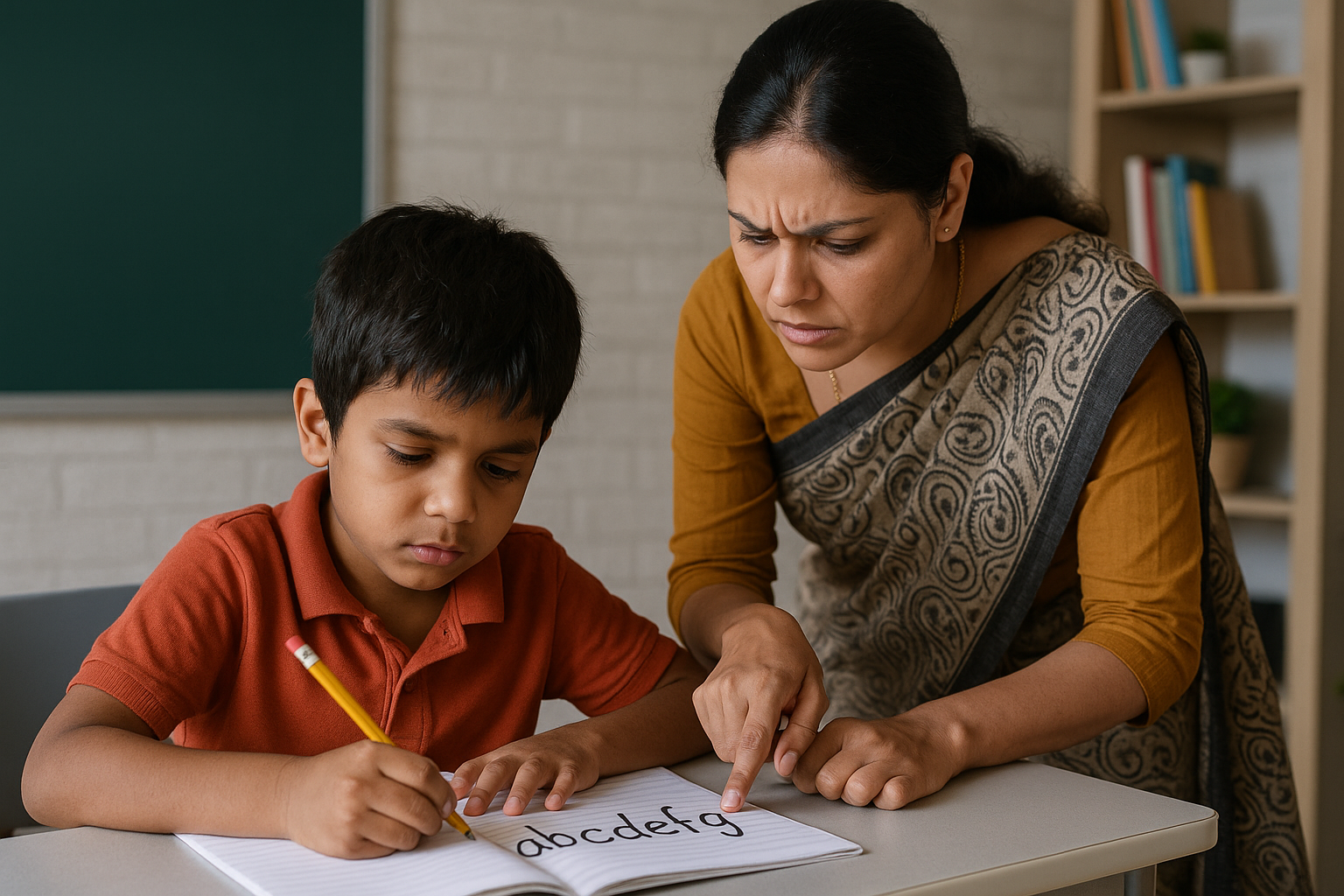
Dyscalculia can’t be diagnosed with just one test. A formal evaluation by a qualified educational psychologist or learning specialist is usually needed for diagnosis. Professionals who have been trained can use a variety of ways to figure out how a person thinks about numbers.
Detecting Past History
Findings are considered to understand any family history of dyscalculia, childhood environmental factors, parent-child relations, and developmental issues.
Educational Assessment
The educators track the students’ understanding of math concepts, ability to remember tables, counting, and problem-solving skills. This helps recognize the Early Signs of Dyscalculia.
Cognitive Assessment
An intelligence test may be conducted to rule out general intellectual delays. Dyscalculia is identified when math performance is significantly lower than overall cognitive ability.
Assessing related conditions
Screening should be done to check for other disorders like dyslexia or ADHD, because dyscalculia is often associated with other learning disabilities.
These assessments are performed by skilled experts who use many techniques to understand how a person receives numerical data. A Learning Disability Course can equip you with deeper knowledge of assessment methods.
To download the brochure of the LD Course, Click Here!
For more details on the LD Course Call / Whatsapp at +919321024137 / +919869866277
Ways to Support Students with Dyscalculia
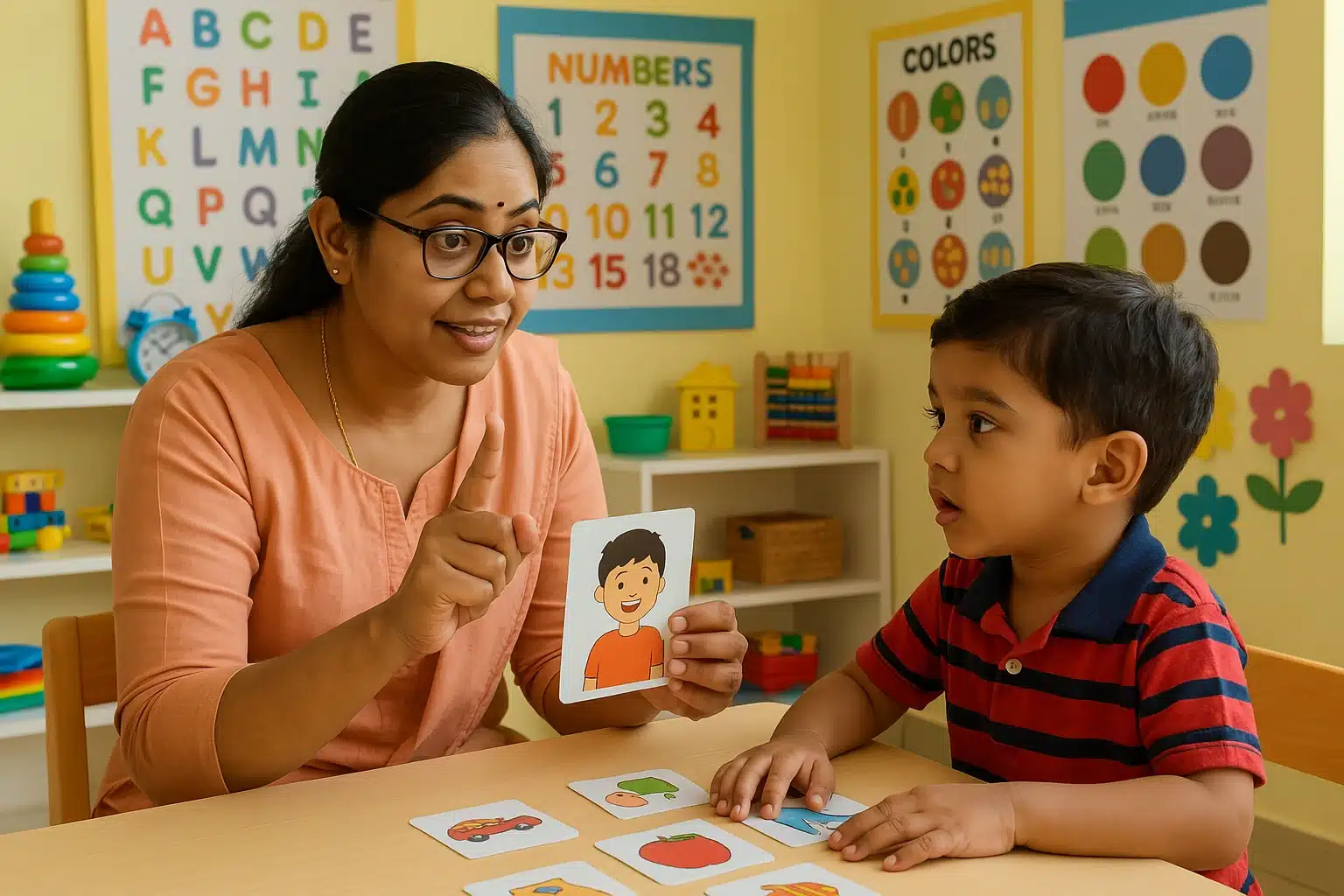
Difficulty with maths is a lifelong disorder; it cannot be cured complete but with supportive measures it is seen to improve significantly. Acquiring structured and professional training is crucial to support students with dyscalculia in education settings.
Vidhyanidhi Education Society (Government-Registered) offers a Learning Disability Course that prepares educators with advanced, evolved, and innovative techniques to make students confident with arithmetical concepts.
Educational support
- Teachers are allowing extra time to complete math activities
- Creating charts displaying tables supports the visual memory of students
- Adjusting teaching methods to cope with the speed of students with dyscalculia
- Making tasks simple, teaching one concept at a time
Technology Support
- Using calculators for fast calculation
- Making students play games related to math concepts
- Applying digital learning and more practice of sums
Family Support
- Encouraging children to learn tables and math formulas in a fun way
- Reducing anxiety of numbers by using manipulatives
- Playing games and having drawing sessions focused on using numbers
Additional Support
- Providing extra classes to develop math understanding with a one-on-one session
- Reinforcing the concepts learned in schools
- Breaking down the formula into shorter ones to remember
- Strengthening number sense by forward and backward counting
Enrolling in a Learning Disability Course from Vidhyanidhi Education Society builds expertise and strategies to support students’ dyscalculia with proficiency.
Empower special children with the right strategies! Join Vidhyanidhi Education Society’s LD Course today!
To download the brochure of the LD Course, Click Here!
For more details on the LD Course Call / Whatsapp at +919321024137 / +919869866277
FAQs
What is Another Name for Dyscalculia?
Dyscalculia is often called “math dyslexia” because it affects number processing similar to how dyslexia affects reading skills.
What Skills are affected by Dyscalculia?
Skills of recognizing numbers, counting them in the right order, remembering tables, understanding time, and doing calculations are deeply affected by dyscalculia.
What is the Most Common Issue in Children with Dyscalculia?
Poor number sense is most common; training from organizations like Vidhyanidhi Education Society helps teachers support such students.
Is Dyscalculia Mental Health?
No, dyscalculia is not a mental health disorder; it is a brain-based learning disability related to math processing.