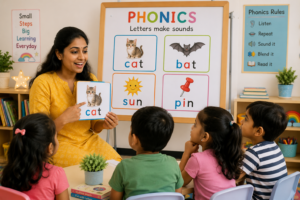

Special Education and Autism are often used together, but they do not mean the same thing. This might be confusing for parents, teachers, and caregivers since many people think that they are talking about one single concept.
- Autism is a neurodevelopmental disorder that influences a person’s daily living by hindering communication, reducing thinking abilities, and creating social anxiety.
- While Special education is a support service that is applied to treat disorders like Autism. It is a set of educational strategies that help individuals succeed academically.
Understanding how Special Education and Autism are related, yet different, helps in choosing the right learning approaches and support strategies for every child.
Are Special Needs and Autism the Same Thing?
Special needs and autism are often used together in conversations about learning and development, but they are not the same.
- Special needs is a broad spectrum classified into several challenges, conditions, or disorders that a person can face, which include a broad spectrum of disorders like behavioural issues, learning disabilities, attention deficit disorder, Dyslexia, physical disabilities, dysgraphia, and autism.
- Autism is a disability caused by the brain’s dysfunction, which is a type of special need. Or Autism can be a reason a person may have special needs. In this condition individual display limited communication, encounter learning difficulties, and behavioral challenges.
Does Autism Qualify as Special Needs?
Autism is a Special Need because it changes how a person talks, interacts with others, and reacts to their surroundings. “Special needs” is a broad term for situations that need extra help with behaviour, emotions, or schoolwork. This includes autism, but it’s important to remember that each person with autism has their own skills and weaknesses.
The following points help to understand that autism qualifies as a special need:
- It impacts communication skills and face-to-face interaction
- Reduces speech and increases behavioural issues
- Requires support in daily living and academic achievement
- Teachers plan individualized teaching for autistic students
Autism clearly qualifies as a special need that requires suitable support, medication, and academic encouragement.
To download the brochure about the SEN Course, Click Here!
For more details on the SEN Course, Call/WhatsApp at +919321024137 / +919869866277
How do Autism and Special Needs Differ?
Autism and special needs are related terms, but they do not mean the same thing. There are major differences between these two terms, which we will analyse in detail.
Here are the differences:
- Special needs is a vast term used to provide additional support for numerous conditions or disabilities.
- Autism is a specific brain dysfunction condition that becomes a special need of a person and requires additional support.
- Special needs cover several conditions like ADHD, physical disabilities, poor vision, learning difficulties, and behavioural challenges.
- Autism is a subcategory of special needs.
- In special needs, the symptoms and characteristics are of different types depending on the individual conditions.
- An autistic person will display a specific symptom.
- Autism is diagnosed medically by healthcare professionals. It affects the interactive abilities and social connections.
- Special needs are not medically diagnosed, and individuals can experience different challenges like physical, educational, emotional, cognitive, and sensory needs.
Understanding these differences is essential for parents and teachers to provide appropriate support.
To download the brochure about the SEN Course, Click Here!
For more details on the SEN Course, Call/WhatsApp at +919321024137 / +919869866277
Autism Diagnosis and Special Education Eligibility
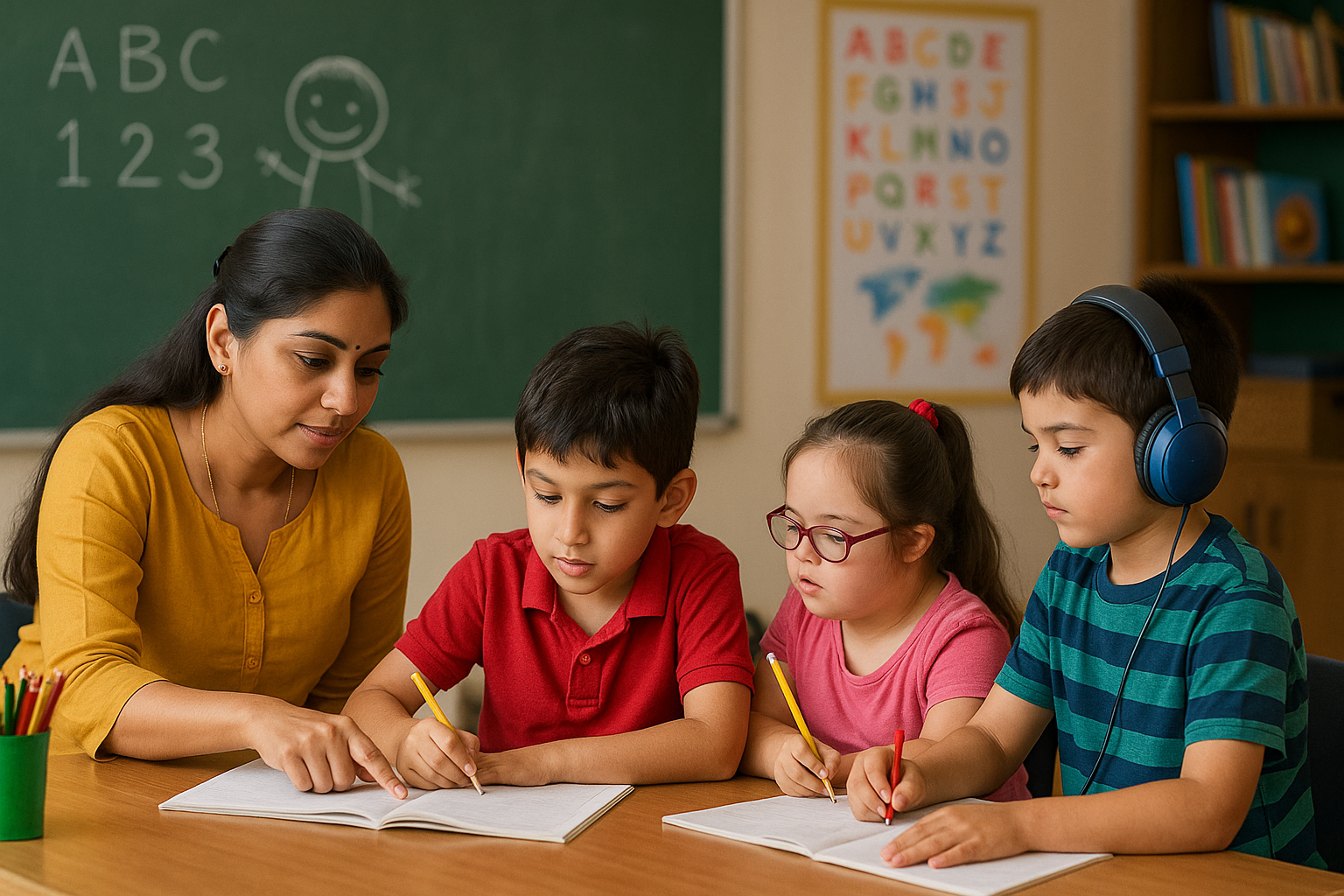
An autism diagnosis refers to a medical analysis of the condition, while special education eligibility determines whether the individual qualifies for specialized support or not. The diagnosis involves observing and reviewing communicative patterns, social interaction, and behaviors of individuals. The eligibility is determined based on the diagnosis.
Key points to remember:
- Special Education Eligibility is understood only after a thorough diagnosis of autism.
- Diagnosis is carried out by trained medical professionals.
- Eligibility helps to provide suitable educational support services.
Purpose of Diagnosis
- Identifies autism at the right time.
- It provides knowledge of the underlying condition and its treatment support.
- Guide applying therapies, support services, and medications accordingly.
Purpose of eligibility
- Helps to find out whether the student qualifies for special guidance and additional support
- Leads to individual instruction plans
- Create awareness among parents to apply therapies and support at home as well.
To download the brochure about the SEN Course, Click Here!
For more details on the SEN Course, Call/WhatsApp at +919321024137 / +919869866277

Educational Implications of Inclusive Classrooms for Autism Spectrum Disorder
An Inclusive Classroom that focuses on acceptance and peer interaction. When children with autism spectrum disorder get involved with other students, they improve in their autistic conditions significantly.
Here are the educational implications of an inclusive classroom:
Improved Communication Skills
Activities of an inclusive classroom involve peer interaction that improves language development, communication, and listening skills.
Enhanced Social Connections
Group activities and fun sessions reduce social fear in autistic students and help build friendships.
Acceptance and Sense of Belonging
Inclusive Classroom encourage equally participation in classroom activities, which makes autistic children feel accepted, loved, and cared.
Providing Individualized Instruction
teachers adjust their teaching styles, lessons, and activities to support the pace of students with autism.
Builds Confidence & Independence
An inclusive learning atmosphere allows autistic students to explore activities and tasks independently with controlled monitoring. This increases their confidence in doing things
These implications have shown tremendous results in improving the conditions of Autism and making students confident.
To download the brochure about the SEN Course, Click Here!
For more details on the SEN Course, Call/WhatsApp at +919321024137 / +919869866277
Trends in Special Education for Autism
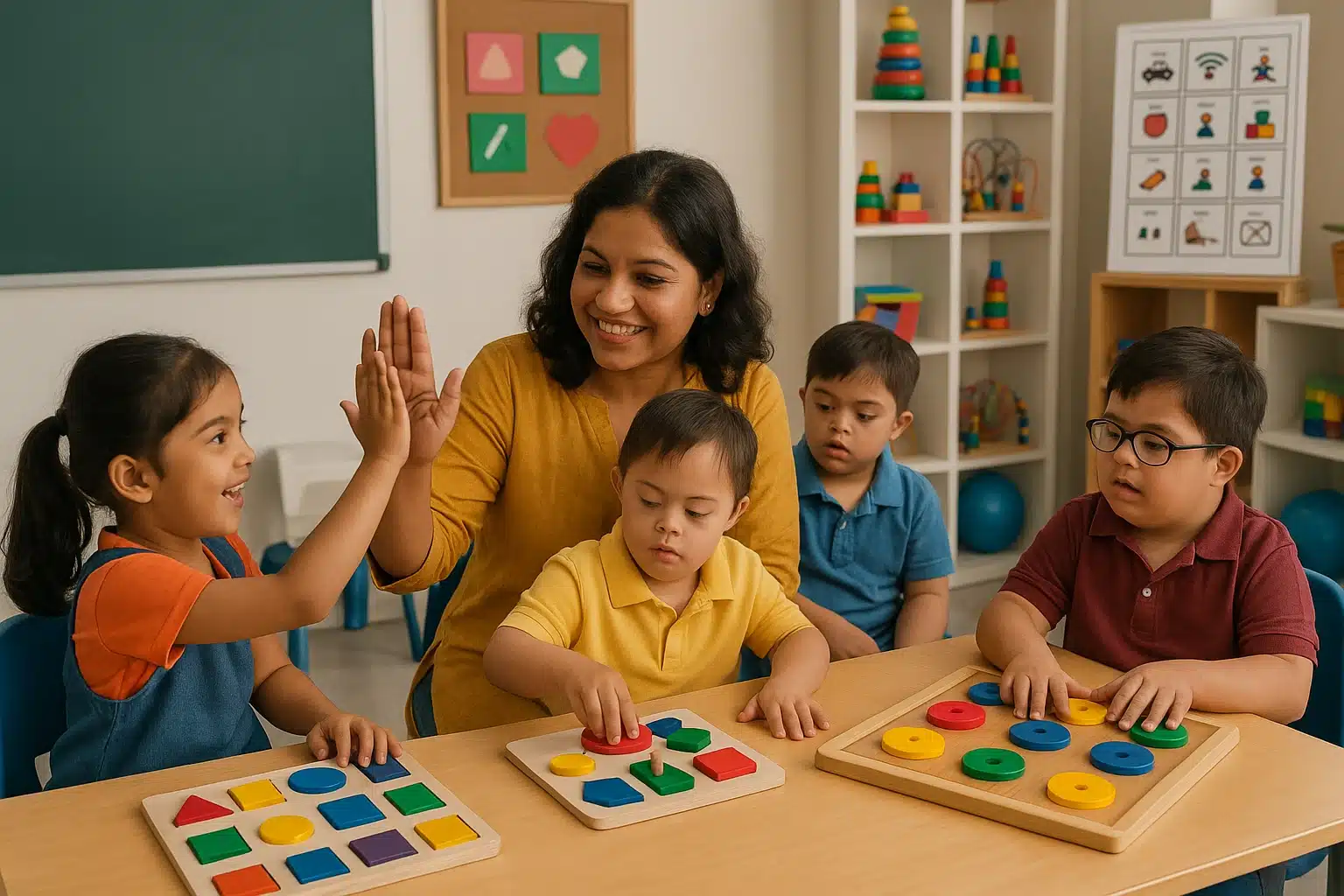
Special education for autism is developing to meet various learning and developmental needs. Autistic individuals’ social and educational growth is supported with modified teaching, early support, and open practices that provide help in an inclusive way. More and more, tools that use technology, organized teaching methods, and behavior support methods are being used to help students learn better. Training teachers has also become more important to make sure they can help students in the classroom.
The important trends or techniques used in Special Education are as follows:
- Constant encouragement from teachers, caregivers, and parents.
- Individualized learning plans
- Speech therapies
- Improving skills and working on students’ strengths
The Special Education Needs Course from Vidhyanidhi Education Society (government-regsitered) helps people who want to become teachers improve their work skills in this area. The course on Special Education Needs works on practical methods, evaluation, and using what you’ve learned in the classroom.
Join Vidhyanidhi Education Society’s SEN Course Today! Support Growth, Spark Potential, Transform Lives!
To download the brochure about the SEN Course, Click Here!
For more details on the SEN Course, Call/WhatsApp at +919321024137 / +919869866277
Is Special Education and Autism the Same?
FAQs
Does Autism Qualify As Special Needs?
Yes, autism qualifies as special needs because it may require additional educational, social, and behavioral support for effective learning.
What Are The Three Main Symptoms Of Autism?
The three main symptoms include repeated behaviours, difficulty in interaction, and social disconnection.
What Age Will You Notice Autism?
Autism is diagnosed at an early age, between two years and before seven years. But in rare cases, it is diagnosed during adulthood.