
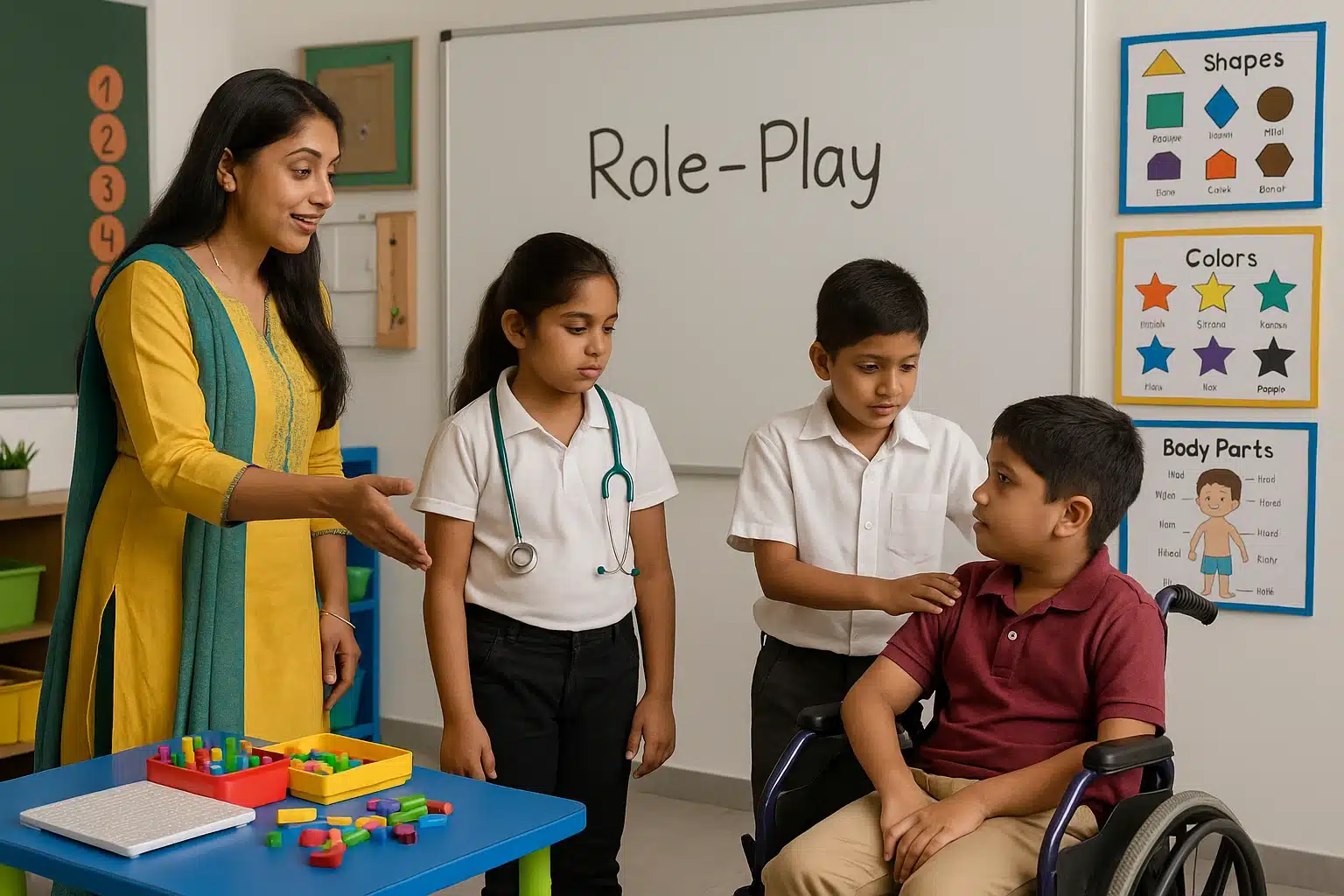
Knowing the LD Symptoms early can make a real difference in a child’s learning and daily life. Learning disabilities affect how the brain understands and uses information, not a child’s intelligence. When LD Symptoms are noticed at a young age, children can get the right support at the right time.
Early signs may appear in speech, reading, writing, math, movement or behaviour. Paying attention to these signs helps parents and teachers guide children toward better learning experiences and confidence as they grow.
What is a Learning Disability?
A Learning Disability or a Learning Disorder is an issue where the child’s specific learning skills related to reading, writing or performing maths are affected due to the brain’s poorly developed signal processing. A learning disability doesn’t indicate low intelligence or laziness. People with any learning disability are often gifted individuals with great talents in varying areas.
Learning disabilities can affect some of the following areas:
Reading
Struggles to read words, recognize letters and read fluently.
Writing
Issues with fine motor skills that affect their writing skills, confining letters to their specific space.
Math
Processing numbers, understanding abstract concepts, and sequencing all the skills are affected.
Communication skills
Issues in speaking clearly, understanding multi-step instructions.
Managing skills
Issues with keeping their surroundings clean or organized properly.
Learning disabilities impact not just the learning abilities of the child but also affect the socio-emotional development. But consistent guidance and constant strategic teaching methods can ensure that the child with learning disabilities acquires education in a manner that aligns with their learning preferences, helping them thrive educationally and socially.
For more Details on the LD Course, Call / WhatsApp at +919321024137 / +919869866277
To Download the Brochure of the LD Course, Click Here!
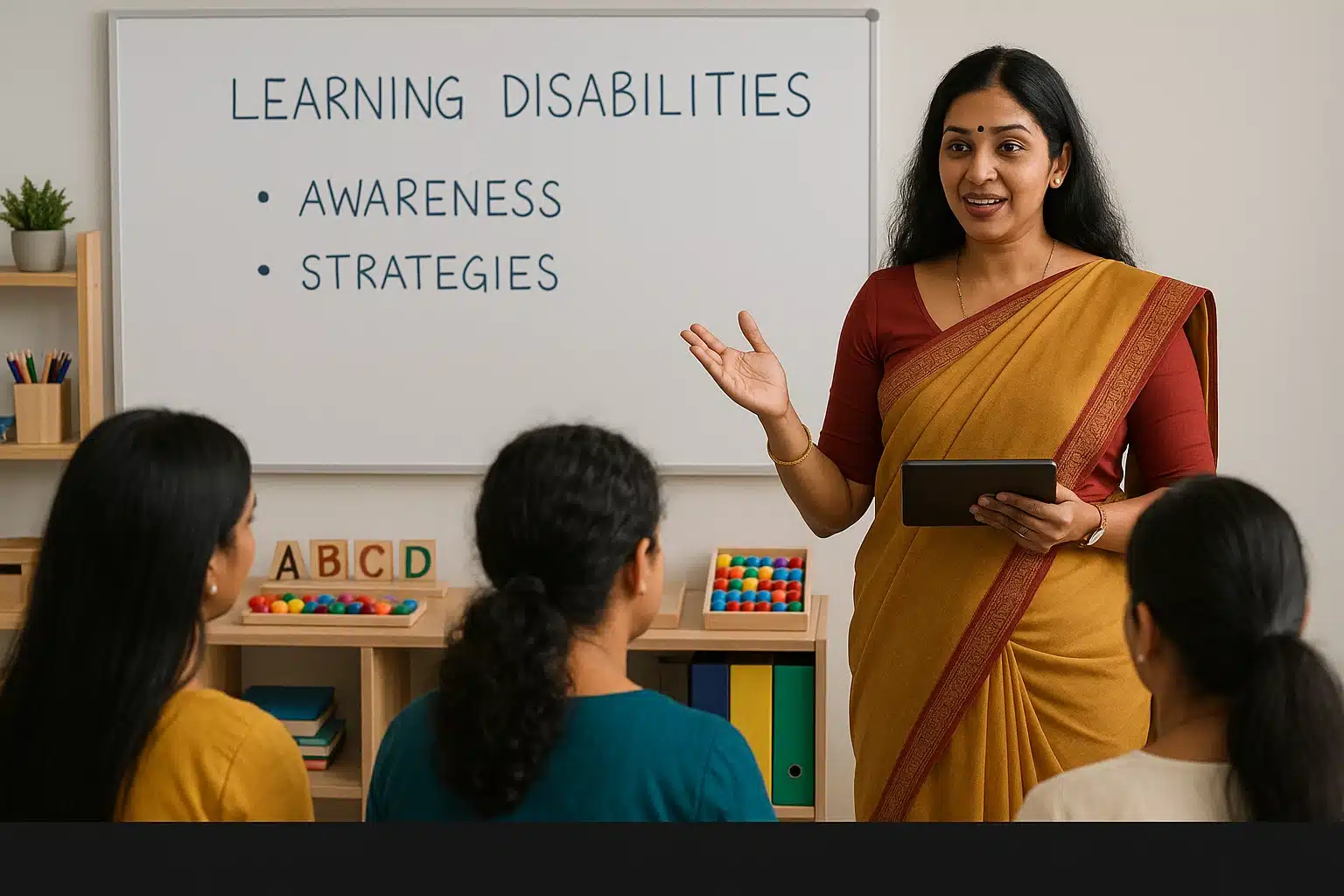
What are the Signs of a Learning Disability in Children?
Signs of a Learning Disability in children often seem to be ongoing difficulties in specific learning areas, even when a kid has average intelligence. These challenges are usually consistent and may affect school performance, behaviour and confidence. Identifying these signs early allows timely support and better learning results.
Most prevalent signs that can be seen during preschool years are listed below:
- Speech doesn’t form at the desired time
- Not being able to learn new words.
- Inability to recognise letters.
- Reading fluency hampers
- Poor eye-hand coordination.
- Delayed fine motor skills.
- Delayed speech or difficulty learning new words
Symptoms in students are discussed as follows:
Letter Recognition
Poor recognition of letters leading to poor reading, reading reverse letters or the mirror image.
Fine motor skills
Not being able to write in the confined space, Writing: Messy handwriting, spelling issues, and difficulty expressing ideas
Math
Trouble with counting, number patterns, or basic calculations
Memory and focus
Forgetting instructions or struggling to stay attentive
Organisation
Frequently losing books, homework, or supplies
Kids may show only some of these signs and difficulties often persist over time rather than appearing briefly.
For more Details on the LD Course, Call / WhatsApp at +919321024137 / +919869866277
To Download the Brochure of the LD Course, Click Here!
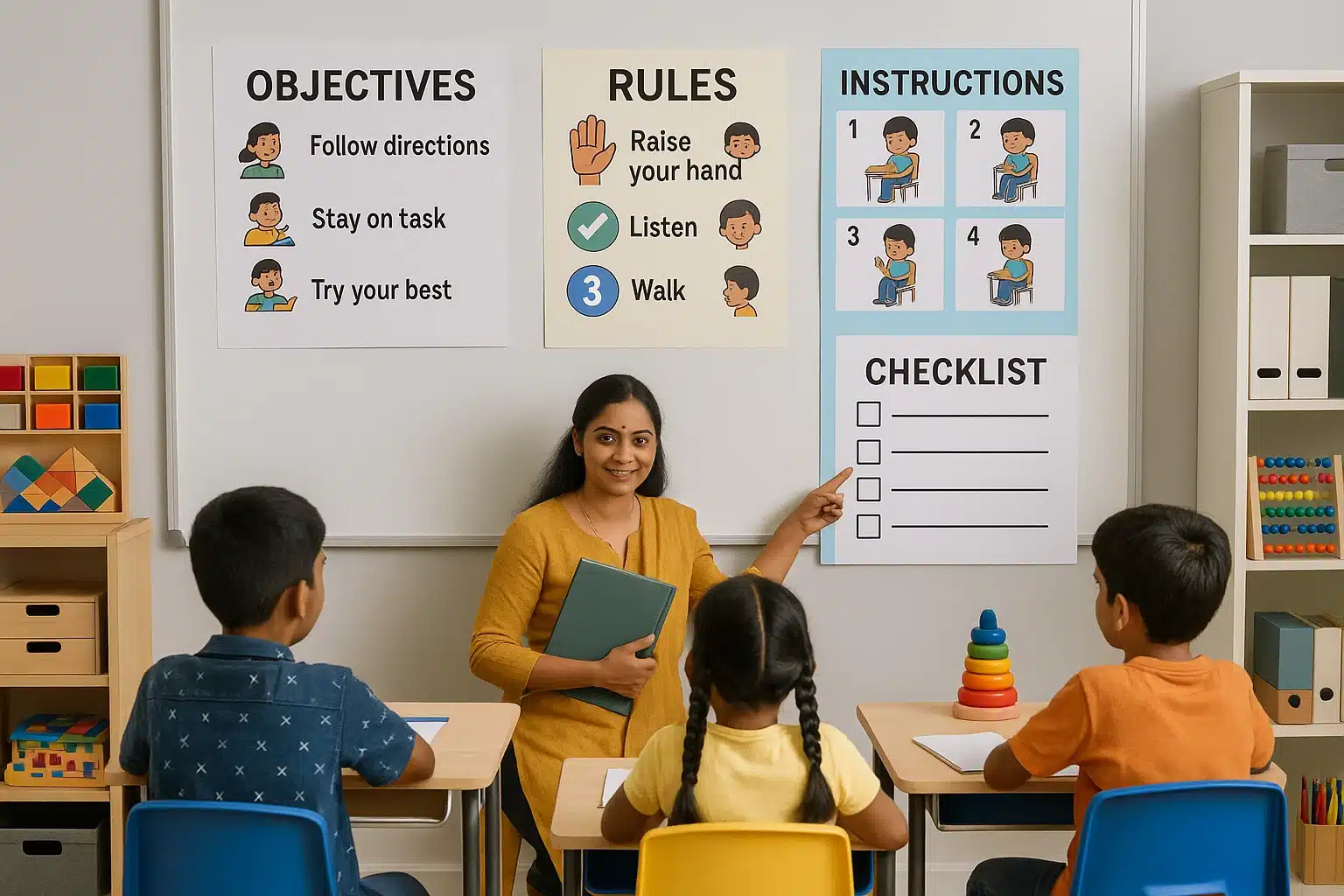
Signs of Learning Disabilities in Reading
Dyslexia refers to a reading disorder that hampers the reading skills of the child, impacting the reading fluency or recognition of letters. The brain’s power of processing visual information is affected, due to which the child fails to connect the letters to their corresponding sounds. This reading difficulty is not linked with the child’s IQ level, but kids struggle to read with correct precision.
Most prevalent signs of learning disabilities in reading include:
Decoding issues
Difficulty linking letters to sounds and sounding out unfamiliar words
Word identification problems
Confusing small sight words like was and saw
Reading fluency
Slow, hesitant, or effortful reading
Comprehension difficulties
Trouble understanding, summarizing, or recalling what was read
Spelling challenges
Frequent spelling errors or inconsistent spelling
Behavioural signs
Avoiding reading tasks or feeling frustrated while reading
Retaining information
Struggles to remember words or Memory concerns: Difficulty remembering known words or learning new vocabulary
Some individuals may also show related writing or processing difficulties. If these signs continue over time, a professional assessment can help identify the support needed.
For more Details on the LD Course, Call / WhatsApp at +919321024137 / +919869866277
To Download the Brochure of the LD Course, Click Here!
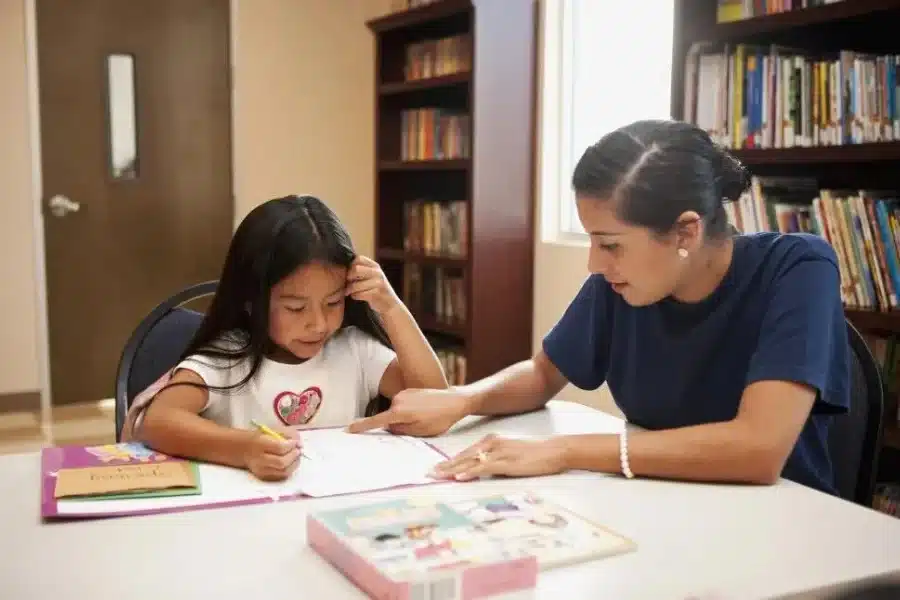
Source: usnews
Signs of Learning Disabilities in Math (Dyscalculia)
When the child faces difficulties in performing simple mathematical operations, cannot understand abstract concepts such as time and money or faces issues with numbers, it is referred to as dyscalculia. Dyscalculia has no connection with the child’s intelligence, and it can impact children as well as adults.
Common signs of dyscalculia include:
Understanding value
The child cannot relate the value of the object to the real number, and therefore, comparing numbers is a major issue.
Lose focus while counting
They cannot count backwards, or recognising numbers at a glance can be a problem.
Calculation difficulties
Slow or inaccurate math work, relying on finger counting beyond early grades
Problems to decode symbols
The child often mixes up symbols, especially signs.
Abstract concepts issues
Concepts of time and money are not understood clearly by the child.
Emotional Issues
The child faces severe anxiety while performing maths or tries to avoid it completely.
With the help of differentiated instruction and structured teaching, the child can slowly develop these skills that make him confident to understand and perform maths effectively.
For more Details on the LD Course, Call / WhatsApp at +919321024137 / +919869866277
To Download the Brochure of the LD Course, Click Here!

Source: pinterest
Signs of Learning Disabilities in Writing (Dysgraphia)
When the child displays signs of discomfort in writing or is facing difficulty with his fine motor skills, it represents symptoms of dysgraphia. The brain’s region that controls Fine Motor Skills and written expression develops poorly, due to which the writing abilities of the child are hampered. The child might hesitate to do any written work and gets frustrated as he finds it painful.
Common signs of dysgraphia include:
Handwriting issues
Uneven letter sizes, poor spacing, mixed cursive and print, and writing that is hard to read
Grip and pain
Tight or awkward pencil grip, hand cramps, or discomfort while writing
Motor challenges
Difficulty with fine motor tasks like cutting, buttoning, or copying shapes
Spelling and grammar problems
Inconsistent spelling and errors in sentence structure
Organisation difficulties
Trouble putting thoughts on paper despite strong verbal skills
Speed and stamina
Very slow writing and quick fatigue
Behavioural signs
Avoidance of writing, frustration, or anxiety during written tasks
Different age groups may see these signs in different ways, but they often stay the same without help.
For more Details on the LD Course, Call / WhatsApp at +919321024137 / +919869866277
To Download the Brochure of the LD Course, Click Here!

Source: timesofindia
Diagnosis and Testing for Learning Disabilities
There is a structured way to find out what a student’s skills and weaknesses are when they are being tested for learning disabilities and diagnosed. Early review helps plan support and educational changes that will happen at the right time. The process usually includes multiple steps carried out by trained professionals.
Common parts of diagnosis include:
- Detailed developmental, medical, and academic history
- Classroom observations and teacher feedback
- Standardised tests for reading, writing, math, memory, and processing
- Psychological assessments to rule out emotional or behavioural causes
- Review of work samples and learning patterns over time
Accurate identification helps parents and educators select the right interventions. To support this journey, Vidhyanidhi Education Society (Govt. Regd.) offers a Learning Disability Course designed for aspiring teachers and caregivers.
This Learning Disability Course builds skills to recognise warning signs and understand assessment reports. The Learning Disability Course also focuses on classroom approaches and individual support plans. With a strong practical approach, the Learning Disability Course prepares teachers to support kids effectively.
Spot LD Symptoms early—join the LD Course at Vidhyanidhi Education Society!
For more Details on the LD Course, Call / WhatsApp at +919321024137 / +919869866277
To Download the Brochure of the LD Course, Click Here!
FAQs
Know the LD Symptoms Early
Can Learning Disability Be Detected Before Birth?
Learning disabilities cannot be confirmed before birth, but genetic factors or prenatal risks may increase chances. Signs usually appear only when learning begins.
Can Being Born Prematurely Cause Learning Disabilities?
Premature birth can raise the risk due to early brain development challenges, though not all premature children develop learning disabilities.
What Causes Learning Disability In Pregnancy?
Factors include genetic conditions, infections, substance exposure, poor nutrition, or lack of oxygen affecting brain development during pregnancy.
What Is The Best Age To Test For Learning Disabilities?
Testing is most effective between ages 5–7 when learning demands increase. Vidhyanidhi Education Society supports awareness of LD Symptoms and early assessment.