

Source: readingeggs
What is Meant by Phonics? is a common question for parents and educators who want to support early reading skills. Phonics describes how letters and the sounds are related, helping learners read words by sounding them out. This method makes a strong foundation for reading, spelling and pronunciation in a clear and practical way. By understanding sounds and letter patterns, children gain confidence while reading new words. Knowing What is Meant by Phonics? also helps adults choose effective reading strategies that improve accuracy, fluency, and overall language development from an early stage.
How Many Letters and Sounds are There in English?
At first, English may seem easy, but it has a lot of sounds that help you read and talk to other people. Knowing how many letters and sounds there are helps students improve their reading and speaking skills.
Letters in English
There are 26 letters in English alphabet.
These include:
- 5 vowels: A, E, I, O, U
- 21 consonants
These letters are used to form all written words in English.
Sounds in English
- English has around 44 sounds, also known as phonemes
- These sounds are grouped into:
- Vowel sounds (short and long sounds like /a/ in cat and /aɪ/ in cake)
- Consonant sounds (like /b/, /t/, /sh/, /ch/)
Why Sounds Are More Than Letters?
- Some letters create more than one sound
- Example: “C” sounds like /k/ in ca
- Some sounds are made using two letters together
- Example: “sh,” “th,” “ch,” “ee”
Why This Matters?
- Helps learners read unfamiliar words
- Improves spelling accuracy
- Builds better pronunciation and reading confidence
Knowing how letters and sounds work together makes Learning English clearer and more effective for both children and adults.
To Download Brochure of Phonics Teacher Course, Click Here!
For more details of Phonics Teacher Course Call / Whatsapp +919869866277/+919869546913
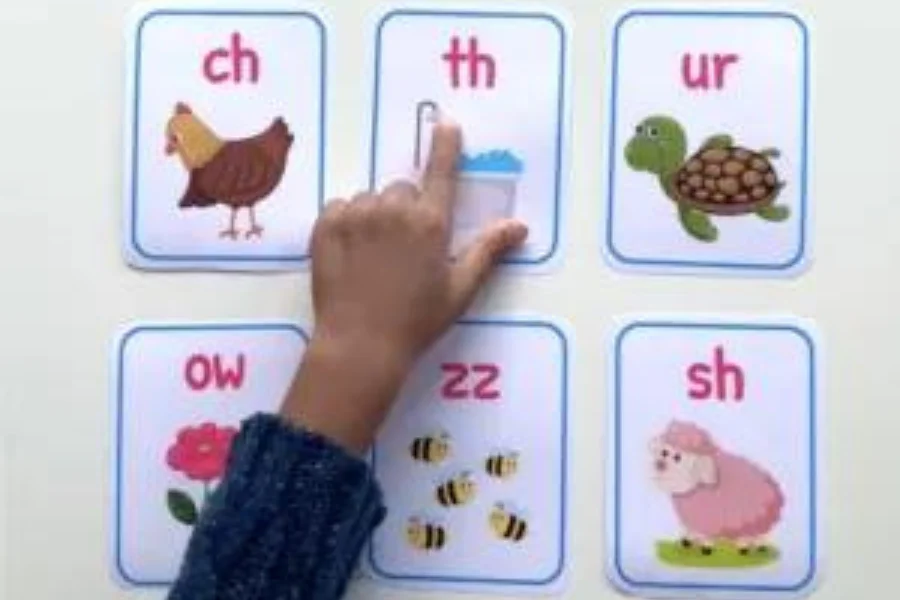
Source: wordunited
What are Alternate Spelling?
Alternate spellings are different ways of writing the same Sound in English. Because English words come from many languages, there are often more than one way to spell a sound.
That’s why some words look different but sound the same when you say them.
Some common alternate spellings are:
- The sound /f/: fan, phone
- The sound /k/ is in the words cat, kite, and school.
- The sound /ee/: see, seat, happy
- The sound /ai/: rain, day, and cake
Why Different Spellings Exist?
- English uses words from other languages
- Letter blending can change based on word position
- Old spelling patterns are still in use
Importance of Learning Alternate Spellings
- Helps improve reading accuracy
- Supports better spelling skills
- Builds confidence while decoding new words
- Makes it easier to understand word patterns
How Learners Can Practice?
- Group words by similar sounds
- Read aloud to notice sound patterns
- Use word lists to compare spellings
Students learn various ways to spell words by focusing on Sound Patterns rather than making an effort to memorize every word. This improves spelling and makes reading easier.
To Download Brochure of Phonics Teacher Course, Click Here!
For more details of Phonics Teacher Course Call / Whatsapp +919869866277/+919869546913

Source: englishfact
What are Spelling Rules?
These letters are silent when you write them but not when you say them. When people are learning English, these words can be hard to remember because the spelling and sound don’t always match. This clarifies why some words have distinct appearances but similar pronunciations.
Some common rules for spelling are:
Silent E rule
Adding “e” at the end of a word often changes the vowel sound, such as cap to cape
Double consonant rule
Short Vowel Words usually double the final consonant before adding endings, like run to running
I before E rule
In many words, “i” comes before “e” except after “c,” as in believe and receive
Plural rules
Most nouns add s or es to show more than one item
Changing Y rule
Words ending in “y” often change to “i” before adding es or ed
Why spelling rules matter:
- They improve spelling accuracy
- They support clearer writing
- They make reading easier
Learning spelling rules builds confidence and helps learners apply logic while writing new words.
To Download Brochure of Phonics Teacher Course, Click Here!
For more details of Phonics Teacher Course Call / Whatsapp +919869866277/+919869546913

What are Silent Letters?
When you write few letters they don’t make sound. But they do when you say them. People who learn English may have trouble understanding these words because the spelling and sound don’t always match.
Since the language has evolved over time and words have been borrowed from other languages, there are typically silent letters.
Some common examples of silent letters include:
- Silent B: lamb, thumb
- Silent K: knife, knee
- Silent W: write, wrong
- Silent H: honest, hour
- Silent L: calm, half
Why silent letters are used:
- English words have roots in other languages
- Spellings have stayed the same over time
- They help show word meaning or origin
Why learning silent letters is important:
- Improves spelling accuracy
- Helps with correct word recognition
- Builds reading confidence
When students know how to read and spell words correctly, even when they don’t hear some letters when they say them, they can read and write more smoothly.
To Download Brochure of Phonics Teacher Course, Click Here!
For more details of Phonics Teacher Course Call / Whatsapp +919869866277/+919869546913
What are the Steps to Teach Phonics?
A clear, step-by-step method is used to teach phonics that helps students link letters with sounds and gain confidence in their reading. Phonics is easy to understand and use when taught in the right order. Phonics Teacher Training Course offered by Vidhyanidhi Education Society (Govt. Regd.) focuses on hands-on activities.
Key steps to teach phonics include
- Start with letter sounds rather than letter names to build sound awareness
- Introduce single-letter sounds before moving to blends
- Teach blending by joining sounds to read simple words
- Break words down into their individual sounds to practice segmenting
- Teach common sight words to help with reading fluency
- Reading out loud and spelling activities help reinforce what you’ve learned.
Steady practice, clear guidance, proven methods—this is what phonics teacher training offers, helping educators teach with confidence at every level.
Through a Phonics Teacher Training Course, teachers learn how to handle different learning speeds. Completing a Phonics Teacher Training Course supports effective phonics teaching and stronger reading outcomes for learners.
Join Vidhyanidhi Education Society’s Phonics Teacher Course and make learning fun for kids!
To Download Brochure of Phonics Teacher Course, Click Here!
For more details of Phonics Teacher Course Call / Whatsapp +919869866277/+919869546913
What is Meant by Phonics? Phonics Teacher Training Course
FAQs
How Can I Help My Child Who Is Struggling With Phonics?
Use short daily practice, sound games, reading aloud, and patience. Repeating sounds in a calm way helps children gain confidence over time.
How Do You Teach Phonics In A Fun Way?
Phonics becomes fun with songs, action games, flashcards, stories, and hands-on activities that keep children active and interested while learning sounds.
What Is The Most Effective Way To Teach Phonics?
Kids can read correctly and fluently when they practice and study often, starting with simple sounds and working their way up to more difficult words.
Why Is My Child Struggling With Phonics?
Every child learns in a unique manner. Phonics Learning outcomes are better when trained teachers, like those at Vidhyanidhi Education Society, help.