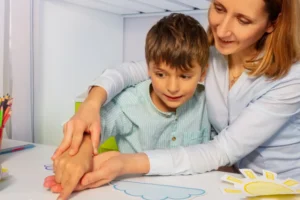
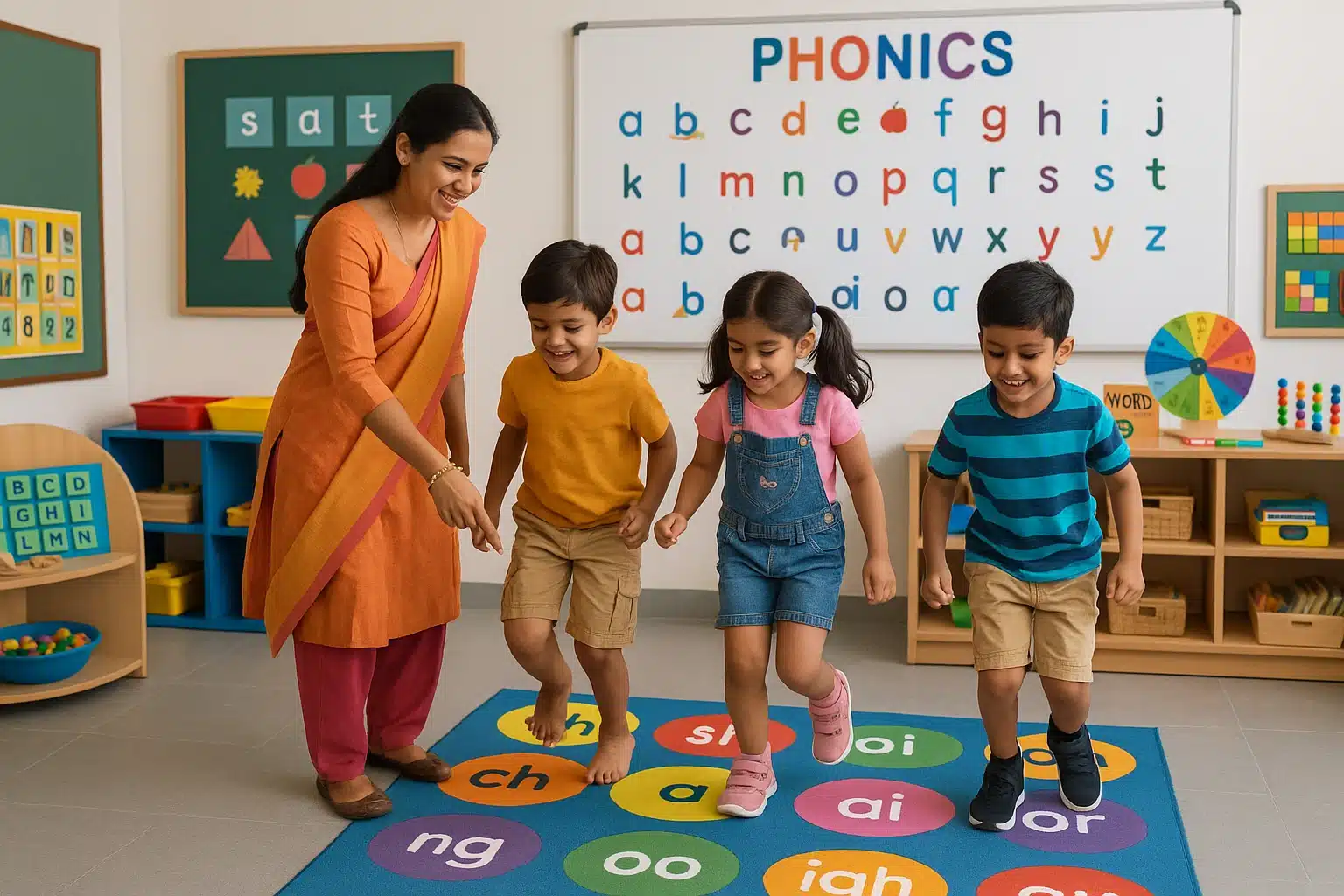
The basis of good communication is teaching young Learners how to hear and use sounds correctly. Teaching Phonetics is very important for helping kids connect sounds with letters. This helps them read, speak, and listen better. Kids can learn to read and write better if they start learning phonetics early on. This sets the stage for lifelong literacy skills. Knowing the best way to Teach Phonetics will help kids learn the sounds of language and gain confidence and fluency in speaking.
Incorporate Fun and Engaging Activities
Making Phonetics Teaching enjoyable is one of the most effective ways to help young learners stay interested and retain what they learn. Children learn best when lessons include play, movement, and creativity. By turning lessons into interactive experiences, teachers can build enthusiasm and confidence while improving listening and pronunciation skills.
Here are some interesting methods to enhance the fun of learning phonetics:
Sound Games
Simple listening games can be Fun for Children, where they hear words and decide whether the first and last sounds are the same or different. These activities help children become more aware of sounds and improve their ability to recognize a wider range of them.
Rhyming Activities
Encourage learners to find and create rhyming pairs. This boosts phonemic awareness while keeping the classroom lively.
Storytelling with Sounds
Let students tell short stories focusing on a specific sound. It helps them practice pronunciation in a meaningful context.
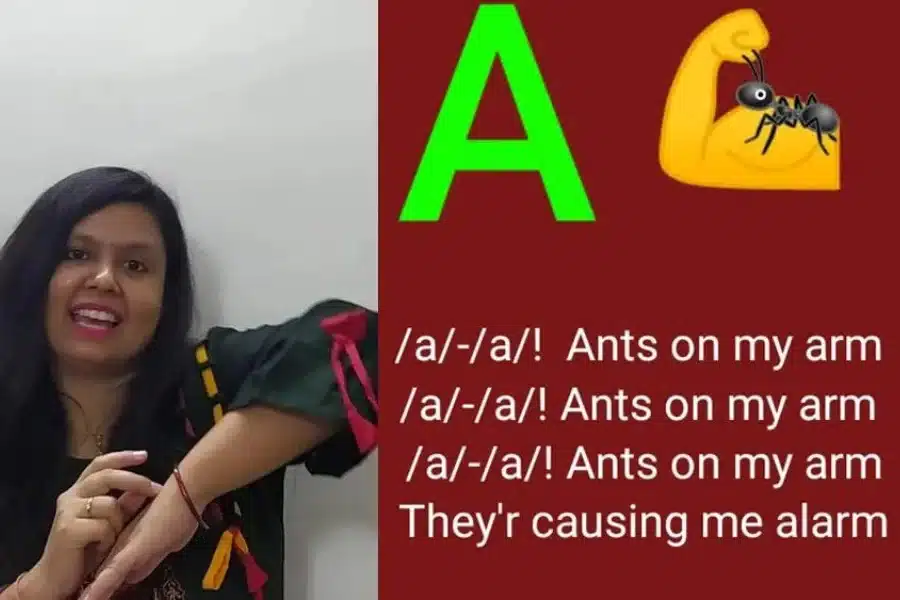
Action Songs and Chants
Combine sounds with movements or gestures that sound like them. People remember and stay interested when they hear music and rhythm over and over again.
Phonics Art Projects
Allow children to create posters or crafts that represent different sounds or letters. This connects phonetics learning with creativity and self-expression.
Interactive Flashcards or Digital Tools
Use of phonics apps or flashcards that have sound effects and pictures makes lessons more interactive and fun.
Mixing Phonetics with play Teaching keeps lessons interesting and makes kids want to get involved. These fun activities turn phonetics from a boring chore into an exciting journey of language discovery.
To download the brochure of Phonics Teacher Course, Click Here!
To enrol in Phonics Teacher Course, Call or Whatsapp on +918104606573 / +919869546913.
Use Technology to find more Resources
Technology is an important part of making Phonetics Lessons better for kids in today’s digital world. Using the right tools, teachers can make lessons more fun, engaging, and accessible for all students. Teachers can use technology to teach kids about sounds, words and how to say, in ways that are both fun and useful.
Here’s how teachers can use technology to enrich Phonetics Teaching:
Educational Apps
Fun activities in phonics-based mobile apps teach kids letter sounds, blending, and how to make words. A lot of these apps use games, animations, and sound effects to keep kids interested.
Interactive Videos
Online platforms like YouTube or educational websites provide animated phonics lessons that demonstrate sound articulation. Visual cues help children connect sounds with mouth movements, improving pronunciation accuracy.
Digital Flashcards
Teachers can use interactive flashcards on smart boards or tablets. Many of these tools have sound buttons that let students hear the right way to say the word right away.
Phonics Software
Phonics and early literacy programs in the classroom give each student their own learning path. This helps teachers keep track of how well each student is doing and where they need to work on more.
Virtual Storytelling Platforms
While reading online storybooks that focus on certain sounds or rhyming words, kids can practice phonetic pattern in the context.
Audio Recording Tools
Encouraging kids to record their voices as they pronounce new words helps them hear and correct their mistakes, promoting self-assessment and confidence.
Online Teaching Communities
Teachers can explore global education platforms to find fresh ideas, printable worksheets, and collaborative activities for phonetic instruction.
Teachers can combine traditional methods with modern digital tools to bring phonetics lessons to life. Using technology allows children to be more creative in the classroom and supports the development of important language skills in a way that feels fun, engaging, and meaningful. As a result, learning phonetics becomes more fun and motivating for students.
To download the brochure of Phonics Teacher Course, Click Here!
To enrol in Phonics Teacher Course, Call or Whatsapp on +918104606573 / +919869546913.
Source: maloointernationalschool
How to Teach Phonics Beyond the Basics?
Once children grasp the basic letter sounds, Phonetics Teaching should progress to advanced stages that build reading fluency and language understanding. Teaching Phonics beyond the basics means helping kids learn to recognize complicated sound patterns, break down longer words, use what they know to read and write. At this point, lessons should focus on helping students recognize sounds better through practice that is useful in real-world.
Here are effective strategies to teach phonics beyond the basics:
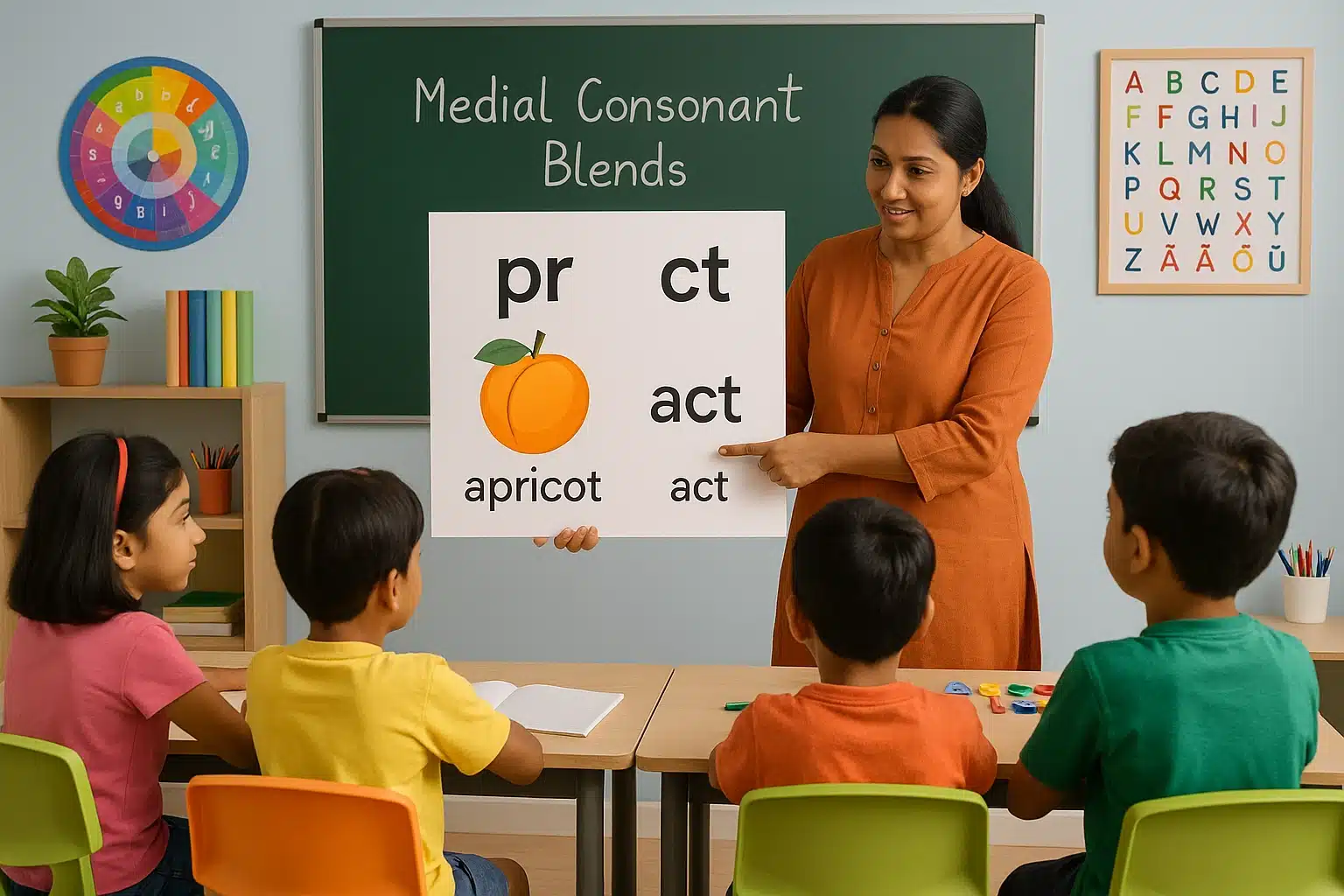
Introduce Blends and Digraphs
Combining words with similar endings, like “cat,” “bat,” and “hat,” improves spelling and creates recognition patterns. It also aids kids in rapidly decoding new words.
Focus on Word Families
Putting words with the same ending together, such as cat, bat, and hat, helps children spot sound patterns more easily and strengthens their spelling. It also gives them the confidence to figure out new or unfamiliar words on their own.
Teach Long and Short Vowel Patterns
Using reading activities and interactive games to teach long and short vowel sounds helps students distinguish between them and pronounce words with greater confidence.
Use Real-Life Reading Materials
Invite children to enjoy books, rhymes, and short stories that suit their age. Teaching phonics through real-life examples helps them read with understanding and retain what they learn.
Encourage Writing Practice
Tell the students to write short stories or sentences using new sound patterns. Writing helps them remember what they’ve learned and encourages them to use what they know about phonetics.
Word Sorting Activities
Turn learning into a game by having kids sort words by sound or spelling pattern—it helps them think and understand phonics better.
Contextual Learning
Discuss how sounds change in different words and accents. This builds flexibility and strengthens listening skills.
Students who study phonetics gain more than just the basics. With this kind of support, kids learn to read confidently and smoothly, breaking words down with ease. It builds a strong foundation for lifelong reading and writing skills, while also inspiring a love for learning new languages.
To download the brochure of Phonics Teacher Course, Click Here!
To enrol in Phonics Teacher Course, Call or Whatsapp on +918104606573 / +919869546913.
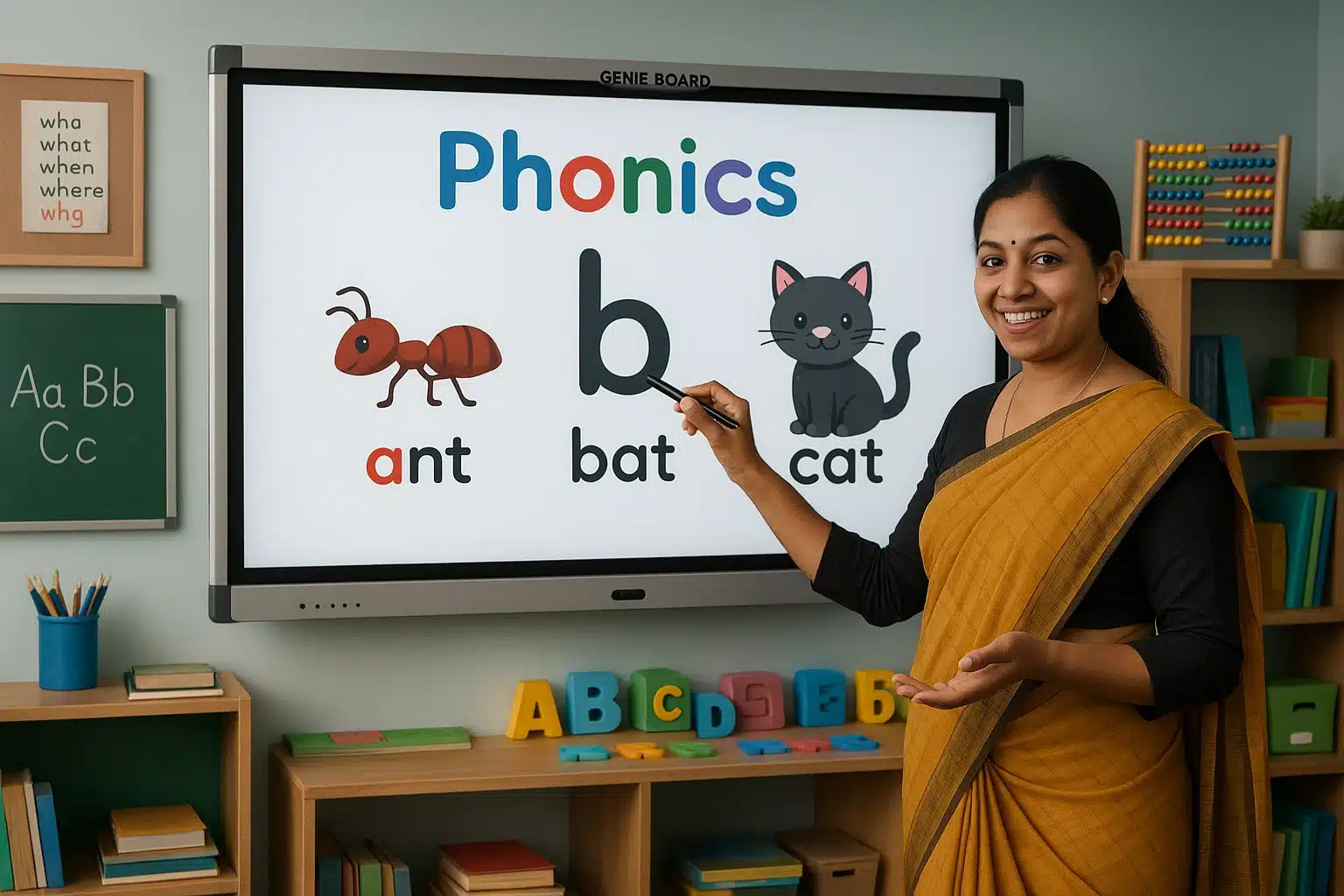
Where can Educators Find Professional Development Courses for Phonetics Teaching?
Teachers looking to improve their phonetics teaching can benefit from professional development courses that cover both theory and practical skills. These programs show educators the science behind sounds, offer ways to make lessons more engaging and fun, hands-on techniques to use in the classroom. Teachers can stay up-to-date on modern phonics methods and tools by following a structured approach to continuous learning.
Here are some effective ways and places where educators can find such professional learning opportunities:
Online Learning Platforms
Educators can learn at their own pace while building the confidence and skills needed for effective phonics instruction through certified courses available online.
Workshops and Webinars
Many schools and language training centers host live workshops and webinars where teachers can engage in hands-on training, observe proven teaching methods, and receive guidance from experts in real time.
Educational Institutions
Trusted organizations, such as Vidhyanidhi Education Society (Govt. Regd.), provide specialized Phonics Teacher Training Courses. These programs give teachers access to modern teaching strategies, helpful classroom tools, and effective pronunciation techniques.
Teacher Training Colleges
Early childhood education programs often include dedicated phonics modules, helping educators master sound recognition, blending, and decoding skills that are essential for young learners.
Professional Networks
Online educator communities and literacy associations give teachers the opportunity to connect with fellow educators, share experiences, access useful resources, and learn about courses such as Vidhyanidhi Education Society’s (Govt. Regd.) Phonics Teacher Training Course.
School-Sponsored Training
Certain schools team up with training providers so their teachers and staff can take part in phonics workshops and gain certifications.
Teachers can boost their skills and bring fresh ideas into the classroom by enrolling in professional courses, such as the Phonics Teacher Training Course. These programs give educators the confidence, know-how, and creative tools to teach phonics effectively, making learning more engaging and successful for young students.
Boost reading skills—enroll in Vidhyanidhi’s Phonics Teacher Course today!
To download the brochure of Phonics Teacher Course, Click Here!
To enrol in Phonics Teacher Course, Call or Whatsapp on +918104606573 / +919869546913.
FAQs
How to Teach Phonics to Struggling Kids?
Break lessons into small steps, use visuals and sounds, and offer constant encouragement to build confidence in learning phonics.
What is the Starter for Teaching Phonics?
First, teach children the letters and the sounds they make. Use simple blending exercises to help them start creating words from those sounds.
What is the Most Effective Phonics Approach?
The Vidhyanidhi Education Society teaches phonetics in a way that uses senses and is organized, which helps students understand and remember better.
What is the Phonetic Method of Teaching?
It teaches students how to read, spell, and say words correctly by showing them how sounds and letters are related.