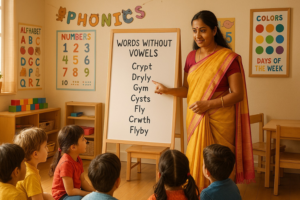

Source: wordunited
Learning can be a challenge for some children due to different reasons. These challenges are often called types of learning difficulty, and they can affect the way a child reads, writes, speaks, or understands information. Each child may face a different kind of struggle, and recognizing the types of learning difficulty early can help provide the right support. In this blog, we’ll explore the most common ones and how they impact learning in school and everyday life.
What are the Major Factors for Learning Difficulties?
Learning Difficulties can arise from a mix of causes that affect a child’s ability to understand, process, and respond to information. These challenges are not always linked to intelligence but often to how the brain receives and manages learning tasks.
Mentioned below are a few of the primary factors that are responsible for learning difficulties:
Brain Structure and developmental issues
- The brain structure and development of individuals with learning difficulties are different compared to normal individuals that affects the Differences in brain structure or function can affect learning abilities.
- Neurological issues can be the root cause of Disorders like dyslexia, dyscalculia or ADHD.
Genetic Factors
- A family history of learning difficulties can increase the chances of a child facing similar issues.
- Some learning disorders may run in families, showing a hereditary pattern.
Dietary concern and a stressful growing environment
- When the brain doesn’t receive the essential nutrients, the pace of brain development is affected, leading to disorders.
- Expectant mothers, when exposed to toxins like lead, are at a higher risk of passing on learning problems to the child, as lead is highly detrimental to brain development.
- Stressful, thriving atmosphere, poor family relationships leave the child frustrated and neglected, which can be an added cause to restrict the child’s development.
Meagre Social Interaction skills
- Constant failures and lagging add up to the child’s frustration, and they prefer staying secluded and not mixing around with their friends, which prevents them from forming meaningful relationships.
- Not being able to make friends can lead to low confidence that affects the child’s memory and concentration levels.
Academic interruptions
- When the child does not receive education in a manner that suits their learning preferences, absenteeism grows, which further hampers their skill development.
- Inconsistent efforts on the part of the school can also be a potential cause.
Medical Reasons
- Children with visual, hearing, and physical impairments or with any potent illness like epilepsy may face learning issues.
Gaining insights into these factors enables parents, teachers, and caregivers to be well-prepared with appropriate strategies and timely support that help children learn in a manner that suits their learning styles, ensuring achievement of their learning objectives.
To download the brochure of the LD Course, Click Here!
For more details on the LD Course, Call/WhatsApp at +919321024137 / +919869866277
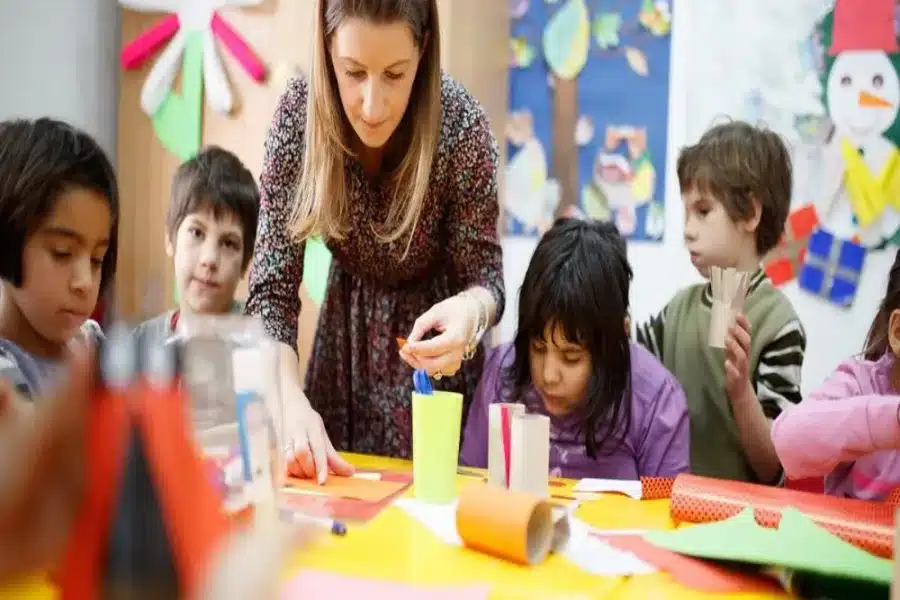
Source: cuw
What are the Characteristics of Learning Difficulties?
Learning difficulties can show up in different ways, depending on the child and the type of challenge they face. When the child starts his academic journey during the early years, these signs can be evident that reflect in their progress and their overall development. Recognizing them early can help in giving the right support at the right time.
Some common characteristics of learning difficulties include:
Struggles with reading, writing, or math
Kids may find it hard to recognize letters, numbers, or basic instructions even after repeated practice.
Struggles to be on track
The child cannot follow directions despite repeated instructions and often skips certain steps or does not understand instructions correctly, especially when sequencing is needed.
Weak memory and limited attention span
Not being able to focus on a task till its completion is a common sign. Also, they fail to remember crucial information that is needed to complete a task.
Poor coordination skills
The eye-hand coordination of Children with Disorders is extremely poor, due to which simple tasks of holding a pencil, buttoning their clothes, or even walking with a single book in their hands can be difficult for them.
Low morale and negative self-image
Due to constant struggles to be on track and failures at times, it restricts the child from trying hard, leading to poor self-confidence or hesitating to attend school.
Each child may show different signs, and not all of them indicate a learning difficulty. But consistent patterns of struggle may require further attention and support.
To download the brochure of the LD Course, Click Here!
For more details on the LD Course, Call/WhatsApp at +919321024137 / +919869866277
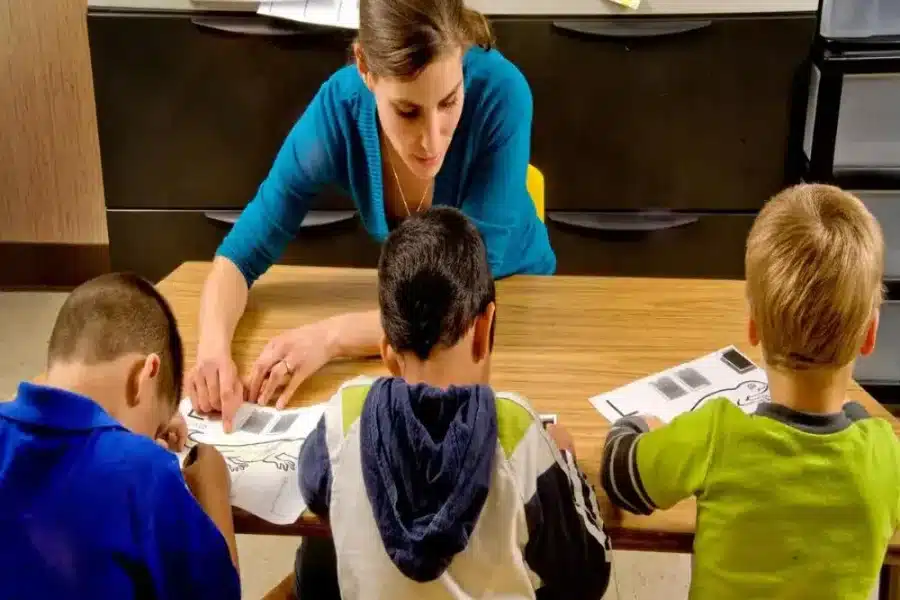
Source: fulloflifekc
What are the Criteria for Learning Difficulties?
To identify learning difficulties, certain criteria are used by educators and specialists. Taking note of the smallest details and challenges faced by the child helps specialists arrive at a systematic conclusion about the child’s development and helps to ascertain whether there really is a need for intervention.
Focal criteria for ascertaining Learning disorders:
Continual Struggles in academics
The child, despite reaching the appropriate age, faces a struggle to maintain his writing pace or cannot read fluently despite personal instructions.
An evident difference between potential and progress
The child’s intellectual ability does not match the kind of progress the child is capable of achieving.
Personalised teaching does not yield desired results
Even when the child receives one-on-one targeted teaching, the learning outcomes are not adequate, and there is no improvement.
Other conditions are not responsible for learning issues
The symptoms the child is displaying are not caused by any visual or hearing impairments. Signs not caused by other conditions
The above-listed criteria help to establish facts clearly and derive a suitable diagnosis to ensure that help is provided to students who really deserve it based on systematic scrutiny.
To download the brochure of the LD Course, Click Here!
For more details on the LD Course, Call/WhatsApp at +919321024137 / +919869866277

Source: ldaminnesota
How to Teach Someone with Learning Difficulties?
Teaching someone with learning difficulties needs patience, planning and the use of effective approaches that match the student’s specific needs. A supportive method can make a significant difference in their confidence and progress. Teachers trained in specialised programs such as the Learning Disability Course offered by Vidhyanidhi Education Society (Govt. Regd.) are more equipped to work with these students.
Here are several successful approaches to teaching individuals with a learning disability:
Use multi-sensory methods
Combining visual, auditory, and practical methods helps learners grasp concepts better.
Chunking tasks
Divide complex tasks into easily manageable tasks that help to ensure that the child understands the topics well, preparing them well for bigger topics.
Be concise with your instructions.
Be clear and use simple instructions, and do not use complicated language that confuses them. Repeat each step numerous times to ensure that the child has thoroughly understood, helping build a better understanding.
Maintain continuous communication
Ensure that there is regular feedback provided to encourage the child to perform better, helping them stay motivated and helping them build a strong, positive self-image.
This Learning Disability Course offered by Vidhyanidhi Education Society (Govt. Regd.) is designed as a meticulously curated program that has a perfect blend of practical classroom management skill training along with in-depth theoretical modules based on various learning and behavioural disorders, enabling teachers to be well-equipped with strategies to handle the challenges of a diverse classroom effectively, ensuring promising educational and emotional development.
Support Success! Join Vidhyanidhi’s LD Course and Make Learning Easier Today!
To download the brochure of the LD Course, Click Here!
For more details on the LD Course, Call/WhatsApp at +919321024137 / +919869866277
FAQs
What are the Most Common Specific Learning Difficulties?
Some of the more commonly observed specific learning difficulties include dyslexia, dyscalculia, dysgraphia, and ADHD, all of which impact various learning abilities.
What is an LD Course?
An LD Course will prepare teachers to identify and work with students who experience learning disabilities. Vidhyanidhi Education Society provides a very well-structured LD Course.