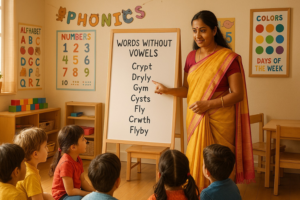
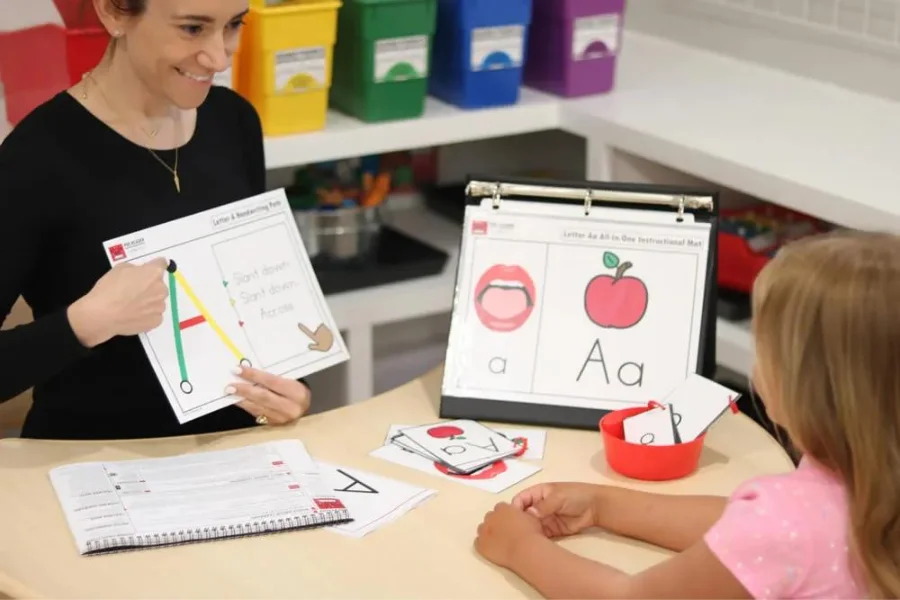
Source: littlemindsatwork
Transform the path that helps children acquire reading skills using Phonics, and make learning to read delightful and interactive for young children. Phonics —a potent tool for literacy growth —helps children separate words into distinct sounds and connect those sounds with the respective letters or letter groups, making it more effortless for them to interpret words. This skill is important for building reading mastery and confidence. Whether at home or in the classroom, appropriate support and creative ways to Teach Phonics can turn spelling practice into a more confident and rewarding experience.
How do you Teach Phonics Step by Step?
A clear and structured approach is required to educate Phonics. By breaking down reading into easy elements, one can easily teach and help children steadily build their skills.
Here’s How do you Teach Phonics Step by Step:
Begin with Letter Sounds
Phonics by introducing one sound-letter pair at a time, initiating with short vowels and consonants, using motions, visuals, jingles, etc.
Blend Sounds For Word Formation
Guide children on how to blend individual sounds together. For instance, /c/ /a/ /t/- cat.
Introduce Word Families
Group words with the identical ending sounds like -at- cat, hat, bat- to help children acknowledge patterns.
Teach Digraphs and Blends
Once basic sounds are clear, Phonics advance concepts- two-letter combinations, such as ng, ch, bl, fr, etc.
Incorporate Decodable Readers
Motivate children to read books with easy, phonetically common words to build command.
Practice
Support learning through routine listening practices, dictation, word sorts, and interactive games etc.
By embracing these efforts, you can educate Phonics and help children with Phonemic understanding, sound-letter mapping, spelling patterns, etc.
To join VES’s Teaching Phonics Teacher Course, call +919869866277 / +919869546913.
Click here and look Phonics Teacher Course at the brochure!
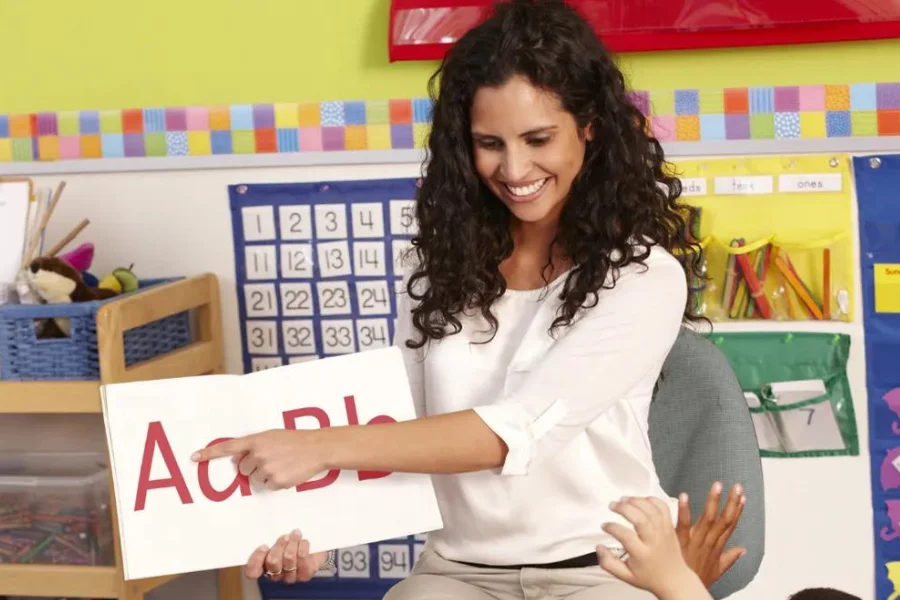
Source: image
How to make Learning Phonics Fun?
Phonics can be made exciting and entertaining with the exemplary blend of ideation and approach. Children learn faster and retain better when engaged.
Some excellent ways to make Learning Phonics Fun include:
Use Jingles and Rhymes
Catchy melodies help children retain sounds smoothly. Songs with motions make learning more interactive.
Play Sound Games
Educate Phonics by incorporating games using starting sounds or sound-matching cards, which add fun to learning sessions.
Combine Art and Craft
Let children sketch or color pictures of items that begin with specific sounds.
Interactive Story Time
Pause while reading to invite children to identify sounds or blend basic words together.
Phonics Treasure Search
Let kids search for objects in the room based on the start or ending sounds.
Teach Phonics by Using Technology
Scholarly apps and videos can support learning through entertaining visuals and replays.
Phonics Puzzles
Use puzzles and letter tiles for dynamic practice in word formation and reading.
Educate Phonics by designing delightful, dynamic sessions, turning spelling and reading practice into a more confident and rewarding experience.
To join VES’s Teaching Phonics Teacher Course, call +919869866277 / +919869546913.
Click here and look Phonics Teacher Course at the brochure!
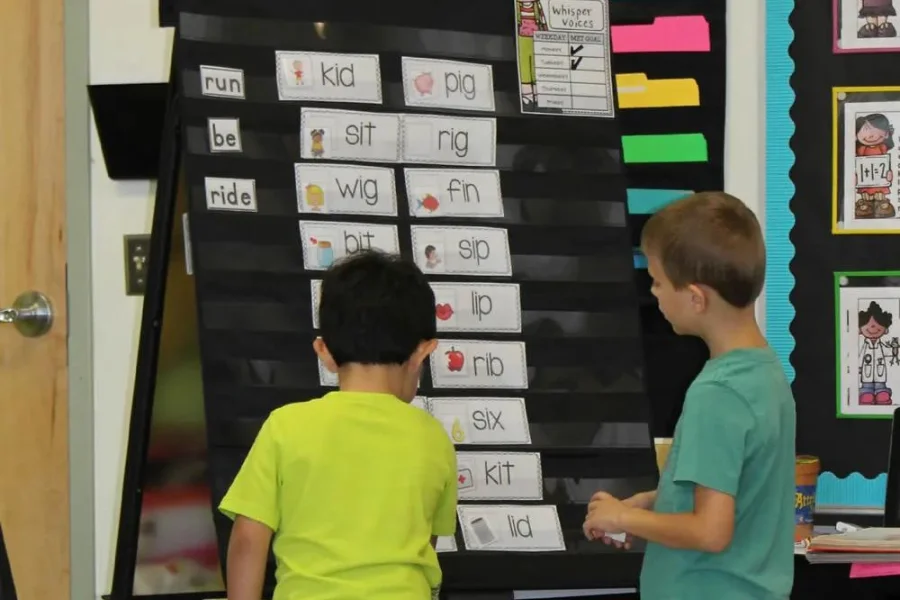
Source: blogspot
How to Practice Phonics with Kids at Home?
Practicing Phonics at home doesn’t need to be boring. With a few manageable tools and routine practices, parents and guardians can Teach Phonics at home and help children boost their reading skills.
Here’s How to Practice Phonics with Kids at Home:
Create a Daily Sound Time
Spend 10–15 minutes each day concentrating on one or two letter sounds using display charts or household things.
Label Everyday Items
Stick labels on common objects like ‘bed,’ ‘cup,’ or ‘box’ to Teaching Phonics at home and help children connect words with sounds.
Use Letter Magnets
Let kids create simple words on the fridge using magnetic letters to strengthen blending and word building.
Read Aloud Together
Select books with basic phonetic words and allow your child to sound out some words while you read.
Play Word Sorting Games
Sort words into groups based on start, middle, or concluding sounds using paper cutouts or cards.
Make Word Hunts
Teaching Phonics at home by asking your child to discover objects that begin with a distinct sound around the house.
Sing Phonics Songs
Use songs that imitate sounds and easy words to strengthen their auditory skills.
Parents and guardians can Teach Phonics to kids at home regularly to support successful learning in spelling and reading by reinforcing what they comprehend in the classroom.
To join VES’s Teaching Phonics Teacher Course, call +919869866277 / +919869546913.
Click here and look Phonics Teacher Course at the brochure!
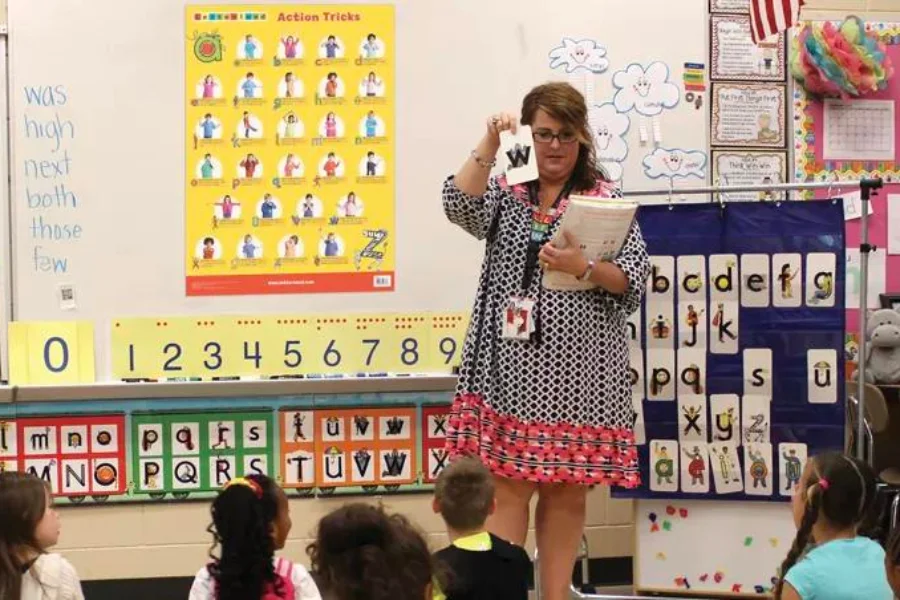
Source: letterland
More Ways to Reinforce Phonics Learning
Reinforcing phonics regularly helps children retain what they’ve comprehended and use spelling mastery in real contexts. Repetition and variation, combined with dynamic activities, build phonics fluency. Parents and educators can explore Vidhyanidhi Education Society’s (Govt. Regd.) Phonics Teacher Training Course to master practical strategies.
Here are some More Ways to Reinforce Phonics Learning:
Use Repetitive Reading
Motivate children to read the same basic book numerous times. Repeated exposure to phonics patterns enhances word recognition.
Teach Word Building Activities
Let kids create words using letter tiles or cut-out letters. Integrating and matching sounds enhances blending and spelling.
Practice with Real-Life Words
Use words from your child’s surroundings—like representations of foodstuffs, playthings, or clothes—for phonics exercise.
Create a Sound Wall
Display letter sounds and examples on a wall at home or in the classroom for constant visual reference.
Play Sorting and Matching Games
Match pictures to their beginning or ending sounds. These hands-on games keep learning active and enjoyable.
Record and Listen
Let kids record themselves reading phonics-based words and play them back. Hearing their own progress builds confidence.
Join a Phonics Course
This Phonics Teacher Training Course covers fundamental techniques, sound rules, and instruction aids to Teaching Phonics and make learning delightful and effective.
By finishing the Phonics Teacher Training Course, educators become competently trained to Teach Phonics and guide children through their reading journey. Constant reinforcement through multifarious methods builds a concrete basis for lifelong success.
Join Vidhyanidhi Education Society’s engaging Phonics Teacher Course!
To join VES’s Teaching Phonics Teacher Course, call +919869866277 / +919869546913.
Click here and look Phonics Teacher Course at the brochure!
FAQs
Phonics can be taught around age 3–4, when children begin identifying letters and sounds in basic words through delightful, age-appropriate exercises. Yes, phonics builds robust reading skills by allowing kids to interpret words effortlessly. Vidhyanidhi Education Society offers training to teach phonics effectively. What Age to Teach Phonics?
Is Phonics Good for Kids?