

Source: assets-homepages
One of the most important things you can do to help Kids Learn to Read and speak well is to teach them about vowels. The Phonetic Sounds of Vowels are what make it possible to recognize words and say them correctly. When kids learn to identify and make these sounds, they become more confident when putting letters together and making words.
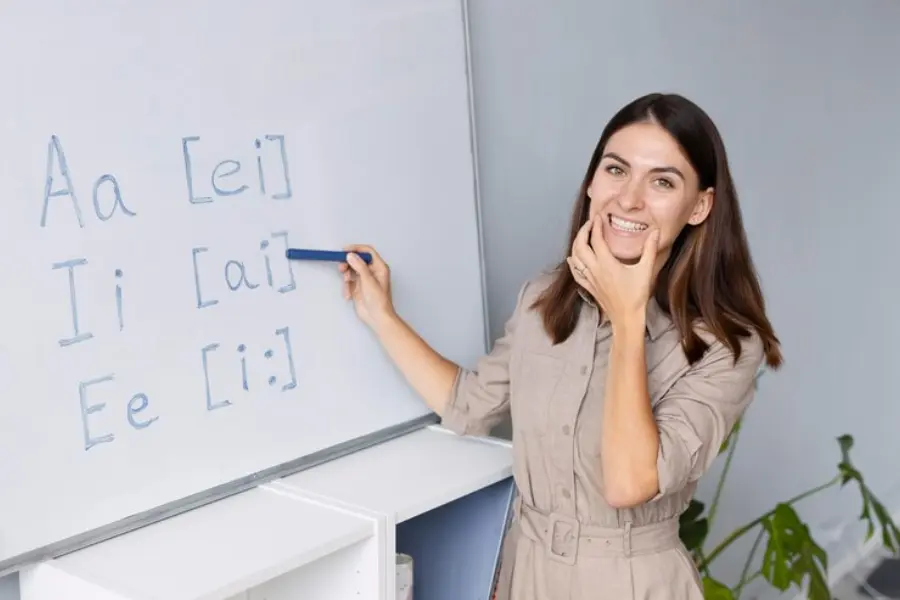
The Phonetic Sounds of Vowels are not just about learning letters. They are also about teaching the ear to listen carefully, and the mouth to shape sounds correctly. If you do it right, kids can learn Phonetic Sounds of Vowels in a way that feels natural and fun, which will help them read and write for the rest of their lives.
Challenges with Vowel Sounds
The Phonetic Sounds can be hard for learners because they are so subtle and changeable. Consonants have clear points of articulation, but vowels depend on small movements of the tongue, lips, and jaw. This makes it harder to understand the Phonetic Sounds of Vowels, especially for kids and people who are learning English.
Some of the biggest Challenges with Vowel Sounds are:
Lack of Friction
Consonants make clear stops or friction, but vowels are made with an open mouth. For instance, saying “bat” and “pat” makes it clear what the consonants are, but “bat” and “bet” can sound less different.
Subtle Movements
A slight shift in tongue height or mouth opening changes the vowel sound. Students might mix up “sit” (/ɪ/) and “set” (/ɛ/).
Long vs. Short Vowels
The words “rot” and “rote” show how the length of a vowel can change the meaning, but this isn’t always clear to students.
Spellings with Irregular Sound Pattern
Spelling in English is diverse. For instance, “ea” can sound like /iː/- meat, or /ɛ/- dead. These irregularities need to be noted.
Differentiation of Sounds
Some students have trouble telling the difference between sounds that are similar, like the /ʊ/ in “look” and the /uː/ in “root.”
Concerns regarding vowel sounds hinder the ability to read, write, and speak independently. Acquiring proficiency in a new language may present challenges in articulating the Phonetic Sounds of Vowels, potentially leading to communication difficulties with native speakers.
To Download Brochure of Phonics Course, Click Here!
For more details of Phonics Course Call / Whatsapp +919869866277/+919869546913
 Source : freepik
How to Teach Vowels?
Adding detailed descriptions and new activities, along with enough practice, makes it easier to Teach Phonetic Sounds of Vowels. The phonetic traits of vowels are what make it possible to read and speak well. Kids who are adept at these sounds are more likely to do better in school.
Teach Vowels to children employing the following method:
Clear articulation of vowel sounds
Give an explanation of the phonetic aspects of vowels like- cat and sit, both of which contain short vowel sounds (/a/ and /i/, respectively).
Visual support
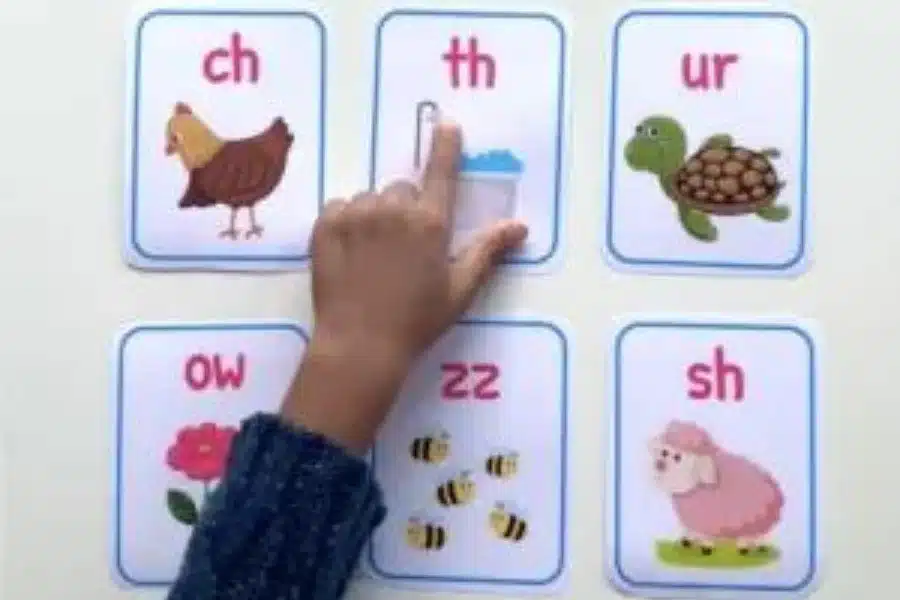
Utilize phonemic charts, graphic cards, and multi-coloured letters to assist children in visualizing the relationship between letters and the Phonetic Sounds of Vowels.
Teach Long vowels and short Phonetic Sounds of Vowels
Describe how the long and short vowel sounds differ, using examples such as cap-cape, hop-hope, mat-mate, and similar pairs.
Integrate Activities and Poetry
Activities like Long and Short Vowel Collages, grouping of sounds, or Rhyming Vowel Poetry make learning more delightful and interactive.
Understand with Minimal Pairs
Try using minimal pairings for enhanced understanding. For instance, the sole difference between the terms- bed and bid- is the vowel sound.
Incorporate Reading and Writing
Reading and writing exercises that help students determine vowels in text or highlighting the sounds of vowels in short sentences support understanding.
Learners can confidently master the Phonetic Sounds of Vowels through a combination of listening, speaking, and entertaining practice. Then they can use this skill to read and talk.
To Download Brochure of Phonics Course, Click Here!
For more details of Phonics Course Call / Whatsapp +919869866277/+919869546913
Source : wordunited
How to use Props?
One important step in helping kids learn how to read and write is to teach them about the Phonetic Sounds of Vowels. The Phonetic Sounds of Vowels are in every word, so learners need to see and practise them a lot to get good at them.
Here are some good ways to use Props:
Start with Short Vowels
Use words you already know, like “cat,” “pen,” “sit,” “dog,” and “cup.” Short vowels are easier to learn and are the building blocks for more advanced learning.
Introduce Long Vowels
Long Vowels: For example, hop- hope or bit- bite- show how the same letter can sound different. Tell me how the silent “e” changes the sound.
Use Visuals and Actions
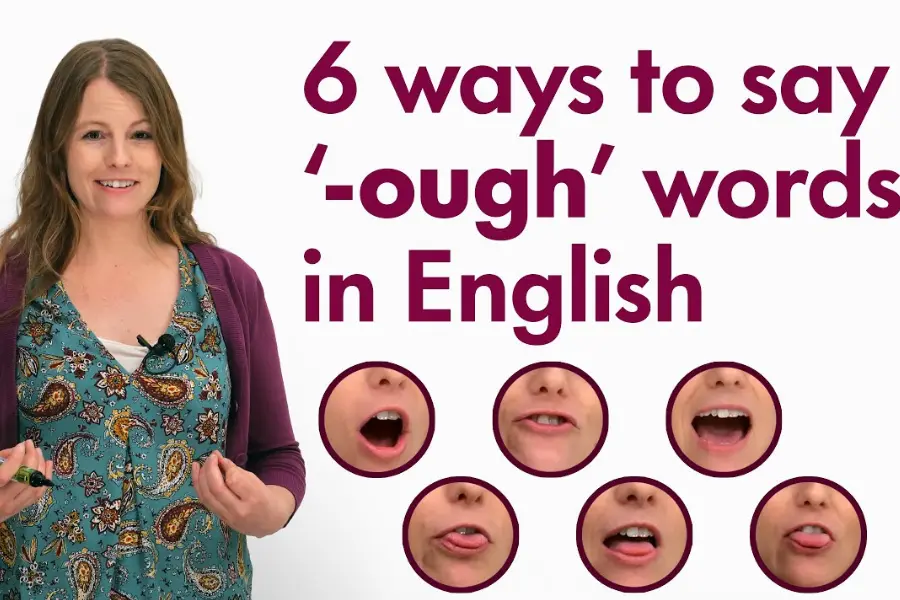
Use pictures, gestures, or mouth movements to go along with each vowel sound. This will make the learning more fun and stick with you.
Interactive Games and Activities
Fun methods to practise vowels include vowel spotlight, vowel bingo, and narrating vowel stories.
Include in Reading and Writing
One approach to integrating this into reading and writing activities is to encourage students to identify vowels in books, underline them within sentences, or compile lists of words containing each vowel.
Children develop greater proficiency in vowel sounds through practice, interactive activities and their application in authentic scenarios.
To Download Brochure of Phonics Course, Click Here!
For more details of Phonics Course Call / Whatsapp +919869866277/+919869546913
Source: ytimg
Use Movement and Gestures
Kinaesthetic activity and gestural communication can improve learning outcomes in young children by promoting engagement. Associating sounds or words with physical movements enhances children’s memory retention and maintains their engagement. This method turns abstract ideas into real, fun activities.
Let’s look at ways to teach sounds using movement and gestures:
Link sounds to the movements of the hands
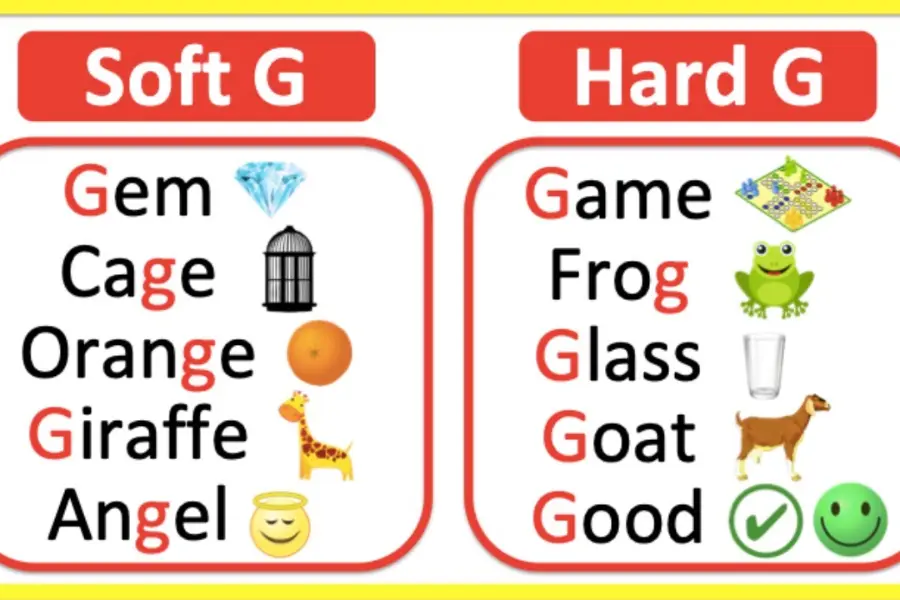
Give specific hand movements for specific sounds; this makes it easy to recollect.
Manual Gestures for Vowels
To help kids understand phonetics better, have them use different hand gestures for each vowel sound. This will help them connect what they see and hear.
Use Songs with Actions
Use songs with actions and give each vowel a different hand gesture to help kids see and learn the sounds of the vowels.
Use Movement and Gestures to narrate stories
Do actions that correspond with the story when you read it out loud.
Say the vowel sounds out loud
Talk about how vowels sound in phonetics. For example, the short vowel sound /a/ in “cat” or /i/ in “sit.” The short sounds of the other vowels are u, o, i, and e.
Group Activities
Sound charades and other games that involve acting out a word or sound are a fun way for kids to work together and practise.
When kids are busy and doing things, they learn better. This is good for both their minds and bodies.
To Download Brochure of Phonics Course, Click Here!
For more details of Phonics Course Call / Whatsapp +919869866277/+919869546913
 Source: ytimg
Vowel Activities
Vowel Activities are very important for helping kids learn the difference between long and short Phonetic Sounds of Vowels and for improving their reading and spelling skills. Learning is fun when you do things that are fun and hands-on. These things help kids read smoothly and make it easier for them to hear the sounds of vowels. People who want to learn in a structured way can take the Phonics Teacher Training Course offered by the Vidhyanidhi Education Society (Govt. Regd.). The program gives teachers fun and effective ways to teach sounds.
These are some easy but helpful Vowel Activities:
Vowel Sorting
Give students word cards and have them group them by the sounds of the vowels, such as the short a in cat, mat, pat, etc., and the long a in cake, bake, make, etc.
Vowel Bingo
Design bingo cards with words or letters having the Phonetic Sounds of Vowels. Kids can put a mark in the square that sounds or looks like the word you say.
Word Families Practice
Use groups like “-at” or “-et” to help students see how words are spelled and pronounced.
Complete the Blank Games
Give words with missing letters, like- c_t, d_g, f_t, etc., and let the students put the right vowel.
Songs and Rhymes
Singing vowel songs or chanting rhymes is an entertaining way to help kids understand sound recognition.
Interactive Story Reading
When you read a story, ask the kids to clap or raise their hands every time they hear a certain vowel sound.
Taking a Phonics Teacher Training Course can enhance your teaching mastery, and completing a Phonics Teacher Training Course will help you make learning the Phonetic Sounds of Vowels fun and practical.
Empower young minds! Join Vidhyanidhi Education Society’s Phonics Course today!
To Download Brochure of Phonics Course, Click Here!
For more details of Phonics Course Call / Whatsapp +919869866277/+919869546913
FAQs
Can Y be a Vowel?
Yes, Y can act as a vowel when it takes the sound of i or e, as in “my” or “happy.”
Which Word has no Consonants?
The word “I” has no consonants. Vidhyanidhi Education Society guides teachers to explain such concepts with ease.