Individual Education Plans, or IEPs, are personalised plans for learning that help kids with Special Educational Needs. These plans outline the objectives, strategies and modifications that will help kids learn and grow at their own speed, both academically and emotionally. Individual Education Plans are all about figuring out what a kid is good at and what they need help with, including reading, writing, behaviour or social skills. These plans, which were made by teachers, parents and experts working together, show how to make learning accessible, useful and possible for all kids.
Who Needs an Individual Education Plan?
An Individual Education Plan (IEP) is designed for students who require additional academic or developmental support to reach their full potential. It ensures that each learner’s unique needs are addressed through structured, goal-oriented strategies. Not every student needs an IEP; it is specifically created for those who face difficulties that affect their education.
To Download the Brochure of the SEN Course, Click Here!
For more Details on the SEN Course, Call / WhatsApp at +919321024137 / +919869866277
Students who may need an Individual Education Plan include:
- Children with learning disabilities: Those who face difficulty with reading, writing or mathematics and need custom-made teaching methods.
- Students with speech or language difficulties: Students who need extra help in communication and language understanding.
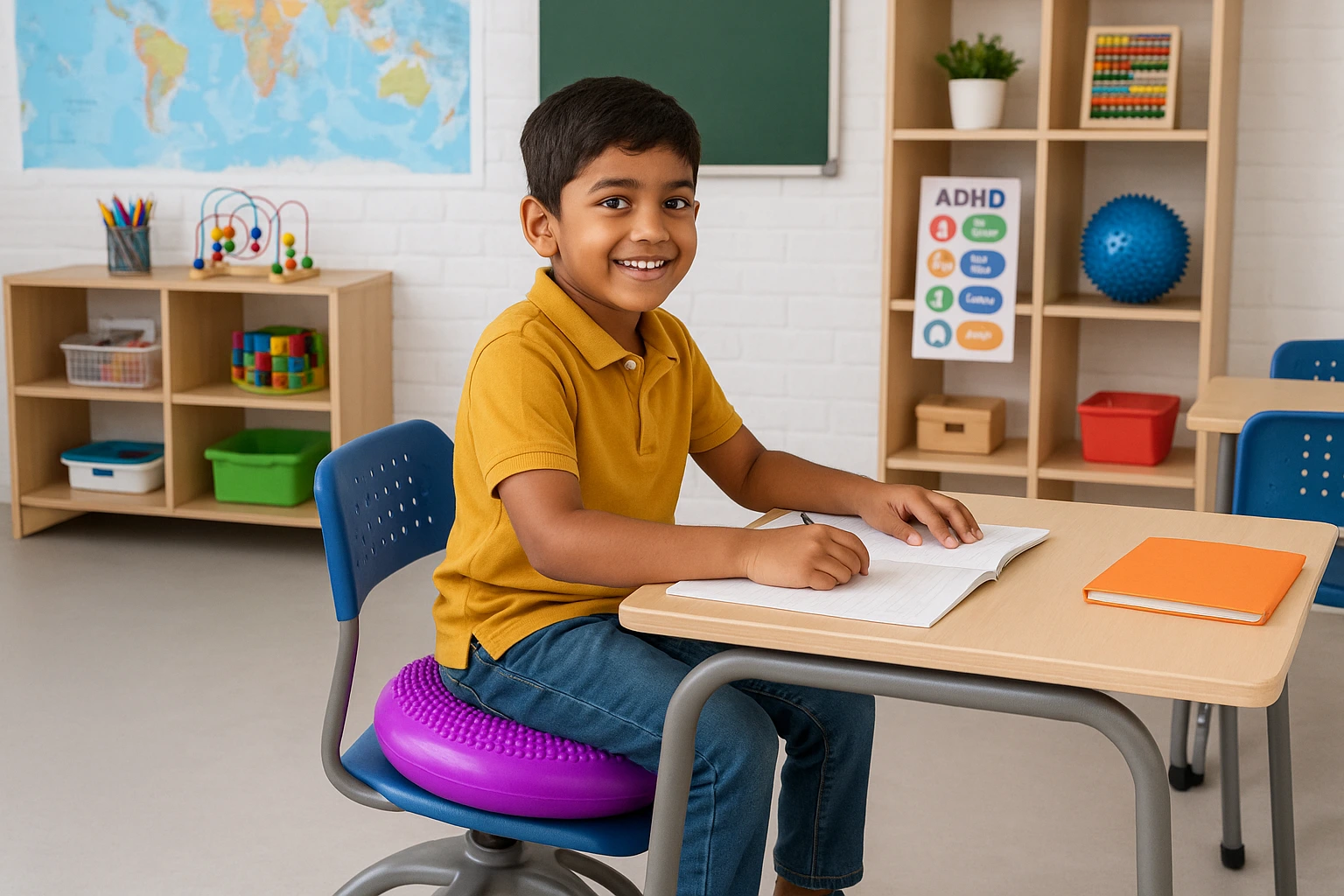
- Children with attention-related issues: Students with ADHD or similar disorders who need focused support and classroom adjustments.
- Students with physical impairments: Those students who cannot access the physical learning environment and need support to access the learning environment effectively.
- Students with behavioural or emotional disorders: Students who need support to display positive behaviour patterns and need aid to manage their emotions appropriately.
An Individual Education Plan is a valuable tool that assures every child a fair chance to gain quality education along with their peers in a regular classroom, enabling them to thrive academically and socially.
What’s the Referral and Evaluation Process?
The referral and assessment process for an Individual Education Plan (IEP) is a methodical system where the child is assessed to determine whether they need customized academic support. This approach involves cooperation among parents, teachers and experts to identify the child’s particular requirements.
Here’s how the referral and evaluation process works:
Referral Stage:
- A teacher, parent or counsellor notices a kid struggling educationally or behaviorally.
- A formal referral is submitted to the school’s special education team for further review.
Pre-Evaluation Discussion:
- The school team meets with parents to discuss the kid’s performance and worries.
- Earlier educational records, classroom observations and feedback are reviewed.
Formal Evaluation:
- Professionals conduct reviews in their specific skills to determine where the child is lagging in areas like learning ability, speech, motor skills and emotional development.
- These assessments help to clearly highlight the child’s strengths, their weaknesses and areas of concern that need urgent attention.
Eligibility Purpose:
- Based on the results, the team decides if the student qualifies for an Individual Education Plan.
- If qualified, a personalized plan is developed outlining goals, teaching methods and required support services.
This process ensures that every kid’s educational needs are recognized early and addressed through an effective and inclusive learning strategy.
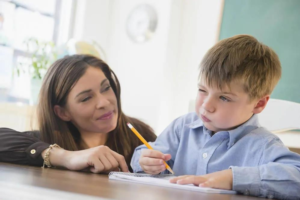
Source: istockphoto
How is an IEP Developed?
Generating an IEP is a collaborative process that involves assessing the child’s strengths and weaknesses, and identifying and addressing their diverse learning needs effectively. IEPs aim to meticulously carve a path for the child where they can navigate their daily challenges efficiently. It endeavours to set realistic goals for the child to attain, promoting academic growth alongside the overall well-being of the child within an inclusive learning environment.
The IEP development process is listed below:
Alliancing:
- IEP conception begins with a collaboration of an adept team of professionals, educators, class teachers, and parents.
- Insights and viewpoints of each member are documented to create a precise portfolio about the child’s strengths and progress.
Evaluation Results:
- The exact measures of various skills and abilities of the child are gathered from the evaluation process and are explored to find the child’s strengths and areas of concern that need guidance.
- Once the capabilities of the child are established, it helps to formulate easy, attainable goals.
Laying down learning goals:
- Depending on the child’s learning needs, goals are developed for short-term and long-term.
- Child’s overall developmental domains are taken into consideration while formulating these goals.
Devising intervention services
- The kind of teaching techniques that align with the child’s learning strengths, differentiated instruction methods and special benefits are listed in the IEP.
- The intervention approach may comprise teaching aids, special AI-backed tech tools and even therapy sessions.
Contribution of the families
- Families, especially parents, are of prime significance in the academic and personal journey of the child as they can provide regular feedback about the child’s progress and ensure that the current IEP is yielding the desired learning outcomes.
An Individual Education Plan is a flexible program that is devised in such a way that there are multiple plans kept ready in case a certain method is not being of help for the child. It is a highly adaptable plan, it is assessed periodically, and the child’s progress is tracked continually.
To Download the Brochure of the SEN Course, Click Here!
For more Details on the SEN Course, Call / WhatsApp at +919321024137 / +919869866277
What is an Individual Education Plan Example?
An Individual Education Plan (IEP) is an individualised program that highlights the child’s strengths and focuses on them to help children gain their learning goals and objectives with the help of special academic assistance to which they are entitled to receive. It helps educators and parents work together to ensure that every child receives the right kind of guidance to meet their learning objectives effectively.
Here’s an example of an Individual Education Plan:
- Student Name: Aarav Sharma
- Age: 8 years
- Primary Concern: Reading and comprehension difficulties
- Strengths: Good verbal communication and creativity
Goals:
- Improve reading fluency and comprehension over the next six months
- Build confidence in participating in group reading sessions
Support Strategies:
- Daily one-on-one reading sessions for 20 minutes
- Use of visual aids and story-based learning methods
- Regular feedback and positive reinforcement
Progress Monitoring:
- Monthly tests to see how things are becoming better and change how they are done if necessary
This type of planned strategy helps parents and teachers stay focused on what they can do to help the child develop in a caring manner.
Institutions like Vidhyanidhi Education Society (Govt. Regd.) provide a Special Education Needs Course that trains future teachers how to design, carry out and keep an eye on IEPs. Teachers learn how to find each kid’s unique learning problems and come up with individualised solutions through the Special Education Needs Course. Teachers who take the Special Education Needs Course may make a real difference in inclusive education and support each kid on their own unique path.
Transform learning challenges into strengths with Vidhyanidhi’s expert SEN course today!
To Download the Brochure of the SEN Course, Click Here!
For more Details on the SEN Course, Call / WhatsApp at +919321024137 / +919869866277
What are Individual Education Plans?
FAQs
What Happens During an IEP?
To assess a student’s growth, set goals, and come up with plans for successful learning and skill development, teachers, parents and experts work together.
How Long are IEP Goals?
Vidhyanidhi Education Society, IEP goals usually last for one school year, and they are reviewed and updated often to keep track of success and change plans when necessary.