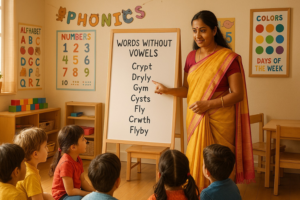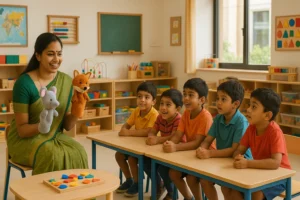
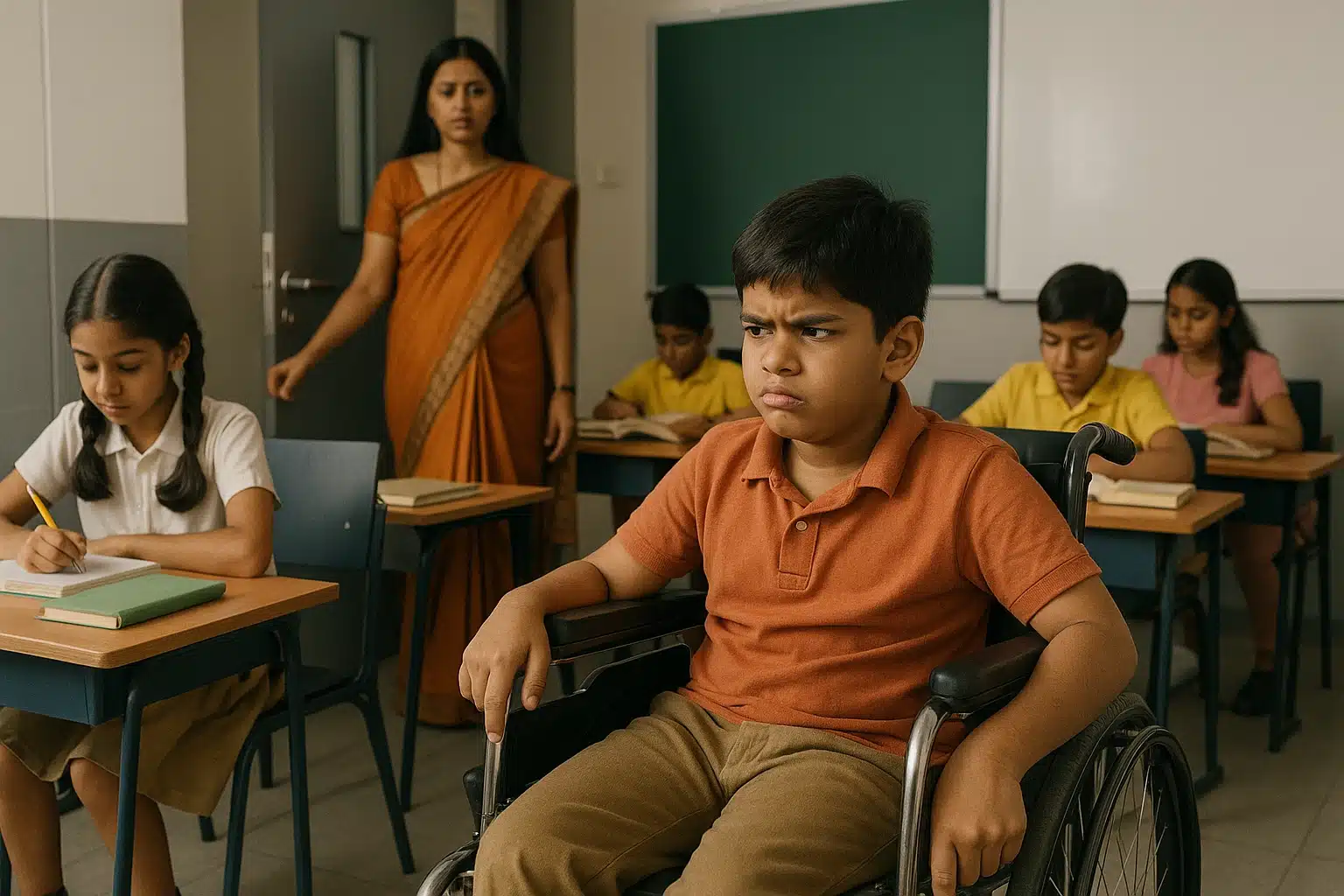
Inclusive Education is changing the way classrooms will be in the future by making sure that all students, no matter what their strengths or weaknesses are, have the same chances to learn and succeed. The diploma course in Inclusive Education Needs enables teachers and other professionals to create classrooms where diversity is acknowledged and embraced.
Teachers can meet the needs of all kinds of students, get everyone involved and build confidence in every student if they have the correct skills and methods. People who decide to specialise in Inclusive Education Needs learn how to design inclusive classrooms that not only help students do better in school, but also encourage empathy, teamwork and lifetime learning.
Challenge the Diploma in Inclusive Education Needs: Aim to Address
The Diploma in Inclusive Education Needs is designed to address the growing challenges faced in classrooms where students come from diverse backgrounds and learning abilities. It equips educators with the knowledge and strategies to overcome barriers that often limit equal access to education. By focusing on inclusivity, this course prepares teachers to create an environment where every learner feels valued and supported.
To download the SEN Course brochure, Click Here!
For details of the SEN Course, Call / WhatsApp on +919321024137 / +919869866277.
Key challenges the course aims to address include:
Lack of awareness and sensitivity:
Many educators may not fully understand the unique needs of students with disabilities or Learning Differences. The diploma trains teachers to recognise and respond with empathy and skill.
Catering to varied learners:
A mainstream classroom would comprise learners with varied learning needs, so devising lessons that are suitable for all the learners is a struggle. This course trains candidates with exclusive instructional strategies that help them address the learning needs of the majority of students.
Restrained capitals and learning tools:
At times, educational institutions may not have adequate teaching tools and reserves. The above course emphasises handling such situations to be self-sufficient to afford such support systems.
Fostering inclusivity:
Giving each child a fair chance to be a part of regular mainstream education is the prime aim of special education. This course grooms’ teachers to develop a sense of respect for all students, thereby promoting better participation.
Through this, the Diploma in Inclusive Education Needs ensures educators are prepared to support inclusive growth for every child.
The Focus of the Diploma Program
Inclusive Education believes in making classrooms highly learner-friendly to ensure there is maximum participation by all students. The Inclusive Education Needs Diploma focuses on training educators to manage the challenges that hamper the smooth functioning of a regular classroom. The Diploma in Inclusive Education Needs is centred on producing skilled special educators with appropriate skills, approaches and qualities that help to make a huge impact on the learning journey of Children with Special Needs.
Prime areas of concern include:
- Gaining insights into learners: Training is provided to help educators understand different physical, emotional and cognitive challenges faced by students.
- Effective teaching techniques: Offering insights about Inclusive teaching strategies with various adaptations and strategies to address a wider section of children.
- Support for special needs: Building competence in addressing disabilities, learning difficulties, and behavioural challenges.
- Assuring equal opportunities for all: Ensuring that each child gets equal chances to academic opportunities without being looked down upon.
- Creating inclusive environments: Encouraging collaboration, empathy, and respect within classrooms.
By concentrating on these aspects, the Diploma in Inclusive Education Needs ensures teachers are well-prepared to foster inclusive growth, improve classroom outcomes, and nurture a supportive educational environment.

Source: medium
What can Students Expect from the Diploma?
Students enrolling in the Diploma in Inclusive Education Needs can expect a structured learning experience that builds both professional expertise and personal growth. The program is designed to give practical knowledge and hands-on strategies that can be applied directly in classrooms.
Key takeaways include:
- Specialised knowledge: Understanding the foundations of inclusive education and its importance in modern teaching.
- Methodical Teaching techniques: Gaining knowledge of effective Practical teaching methods that help children attain their learning goals and learning objectives.
- Building skills: Helping children develop valuable skills that enhance their ways of learning concepts, and mastering ways of managing the classroom skillfully.
- Creating learner-friendly spaces: Developing a spirit of oneness amongst students, helping them celebrate each other’s diversities.
- Career Prospects: Unlocking doors to lucrative job prospects in schools, rehab centres, NGOs, and international institutions.
Completing this course helps trainees acquire crucial skills and knowledge of essential factors that help them design positive learning spaces where all children, irrespective of their learning backgrounds, thrive academically and socially, gaining equal opportunities to succeed.
Top Skills Students Will Learn
The Diploma in Inclusive Education Needs provides knowledge of all the crucial aspects of various learning disabilities, and trainees are equipped with skills that help them effectively handle the diverse challenges of a mainstream classroom.
Top skills students will learn include:
- Modifying and adapting lessons: Students gain expertise on how to design modified and adaptable lessons that help a wider section of students.
- Classroom Control: How to establish boundaries in the classroom concerning child behaviour that will benefit all children, ensuring they feel safe and secure.
- Review techniques: Using various ways of assessing students and evaluating them accurately.
- Lucid language skills: Establishing clear and lucid lines of communication, fostering supportive interactions with students and parents.
- Problem-solving abilities: Addressing challenges with innovative approaches that support inclusive learning.
- Collaboration: Working effectively with peers, parents, and support staff to strengthen student development.
Perfecting the above skills will help trainees acquire skills that are a must to handle the complexities of a diverse classroom and foster better participation from all students without being By mastering these skills, students of the Diploma in Inclusive Education Needs are well-prepared to handle challenges and encourage meaningful participation from all learners. help
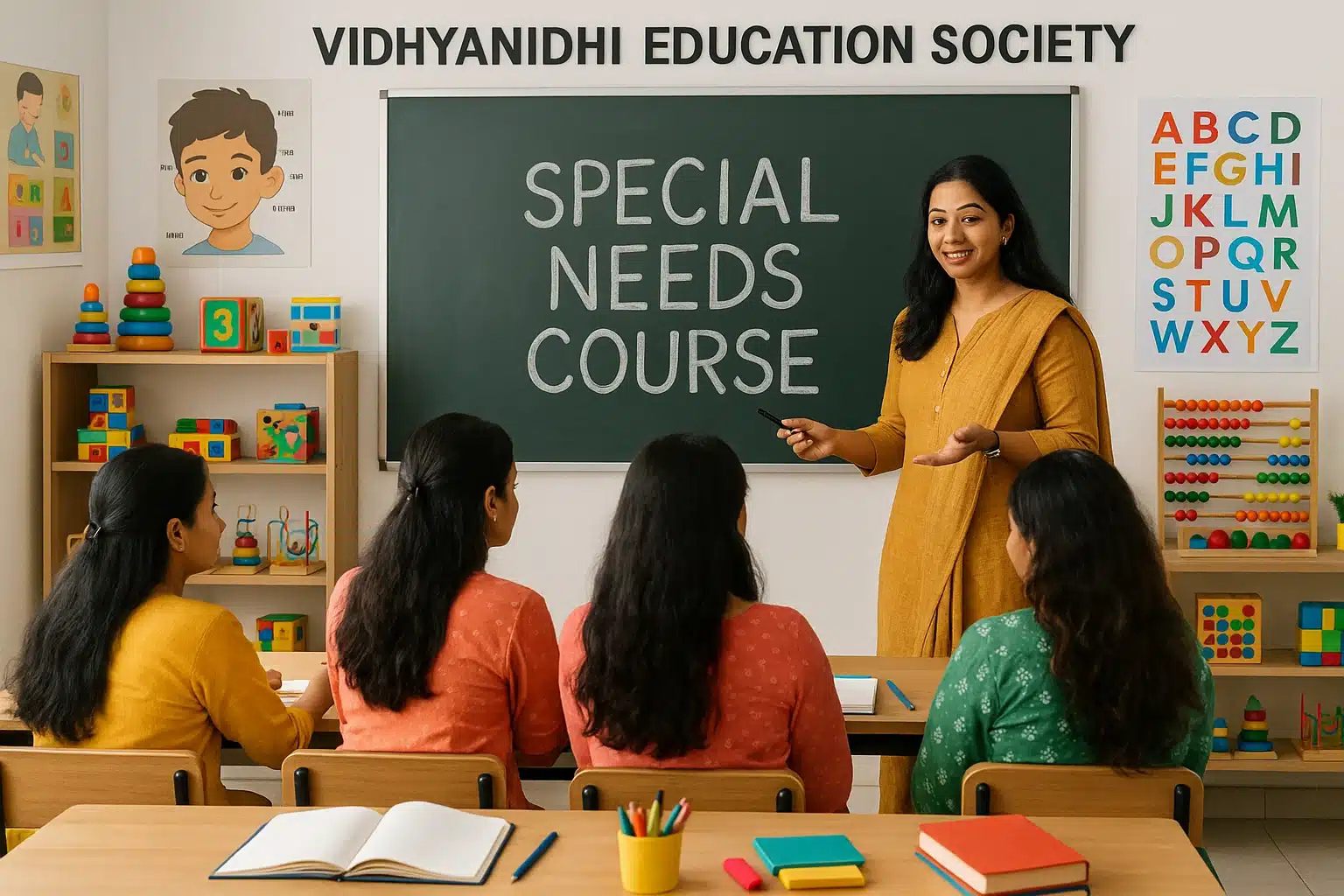
Career Opportunities and Salary Growth
Considering the growing awareness of special needs and the rising number of cases of children with special needs, the Special education industry is projecting a steady growth, proposing lucrative job prospects. Schools and educational institutions now lay special emphasis on recruiting trained professionals who can create inclusive learning environments and make a huge impact on uplifting the academic standards and ensuring better participation.
Undergoing a Special Education Needs Course helps students get trained in exclusive teaching strategies and gain essential skills needed for supporting children with diverse needs.
Some of the prospective job roles after completion of a Special Education Needs Course are listed as under:
- Special Education Teacher: Get recruited as a Special Educator at schools that work with children with learning disabilities and devise strategies that promote joyful learning for all students.
- Resource room teacher: Working exclusively with children who have diverse learning needs and offering them the precise academic guidance and support.
- Academic Consultant: Helping schools formulate inclusive education policies and ensure the smooth implementation of inclusive education practices.
- Rehabilitation Clinic Consultant: Work at rehabilitation clinics where they can offer their specialised support to enhance student development.
There is a rising demand for skilled special educators as now schools, academic institutions, as well as NGO’s are on the lookout for skilled special educators whose valuable expertise enables students with special needs to become an important component of the mainstream education.
With experience, professionals can move into senior positions such as coordinators, curriculum planners, or academic heads, leading to higher pay packages.
The Special Education Needs Course at Vidhyanidhi Education Society (Govt. Regd.) gives instructors the skills they need to work in inclusive education, which leads to stable jobs and good pay growth.
Join Vidhyanidhi Education Society’s SEN Course to shape futures as a Special Education Teacher!
To download the SEN Course brochure, Click Here!
For details of the SEN Course, Call / WhatsApp on +919321024137 / +919869866277.
FAQs
Can I access the Course Materials after the Course is Completed?
The course materials are completely accessible for the students post the course completion, ensuring that students can use them for future reference as well.
Will I Receive a Certificate upon Completion of the Course?
Yes, institutes like Vidhyanidhi Education Society provide a recognised certificate after successfully completing the course.