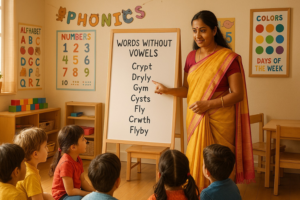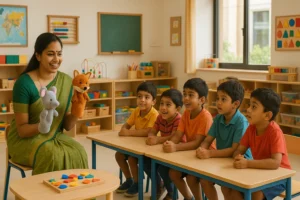
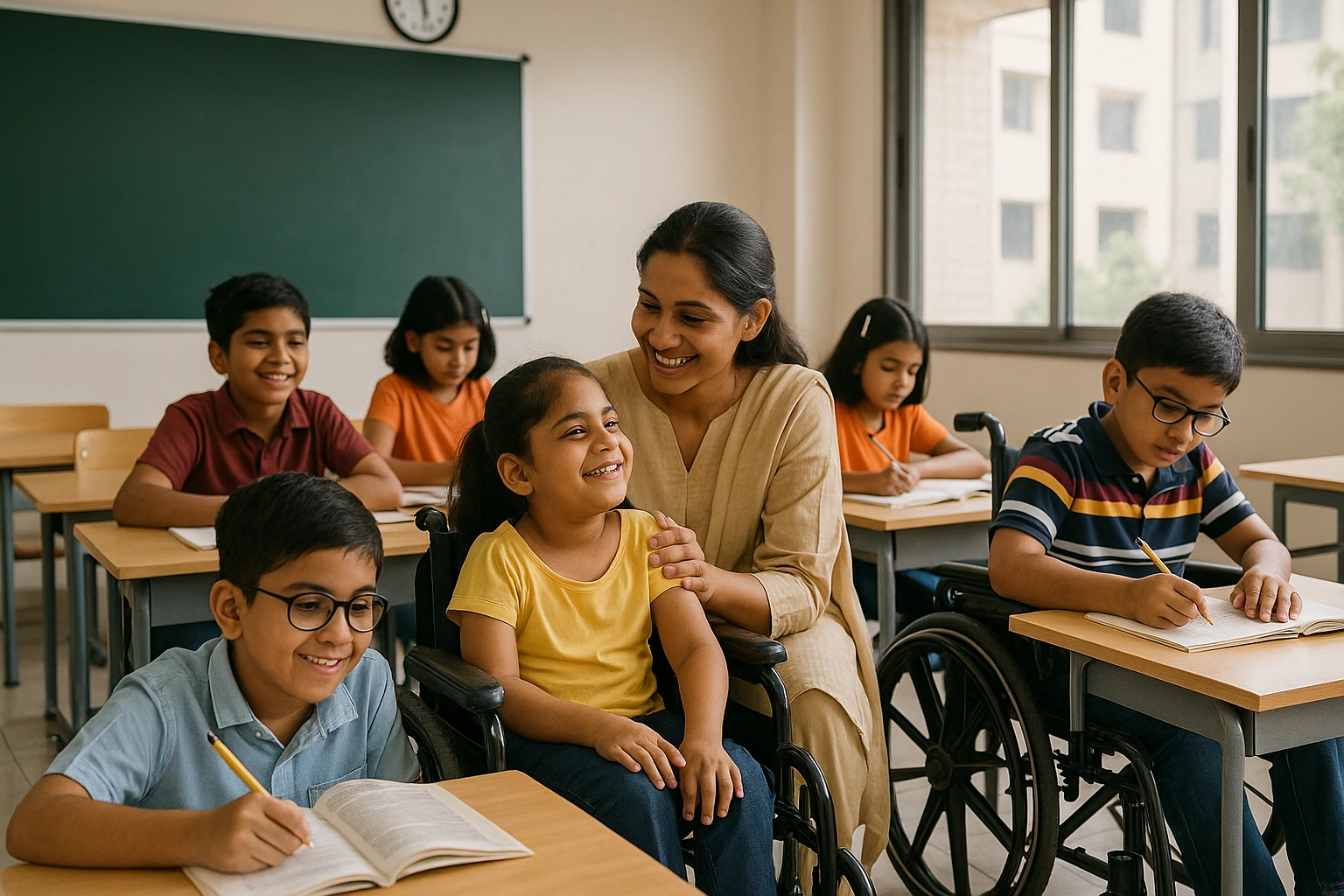
Understanding the Different Types of Special Needs is important for providing kids with the right support in both care and learning. Every kid is unique, and some may need extra support to reach their potential. By knowing the Different Types of Special Needs, teachers, parents, and caregivers can make a fostering environment that inspires growth and confidence. This awareness not only helps in identifying the right approaches but also ensures that children feel valued, supported and included in every aspect of their development.
What are the Common Types of Special Needs?
Children may face challenges that affect how they learn, communicate, or interact with the world around them. Understanding these needs allows parents, teachers, and caregivers to provide the right care and support.
Here are some of the most common types of special needs:
For more Details on the LD Course, Call / WhatsApp at +919321024137 / +919869866277
To Download the Brochure of the LD Course, Click Here!
Physical Special Needs
These include conditions that affect a child’s body movement, coordination, or strength. Examples may be cerebral palsy, muscular dystrophy, or mobility difficulties. Children with physical needs might require assistive devices, therapy, or adaptations in their learning environment to participate fully.
Developmental Special Needs
When the child fails to attain certain important developmental milestones, the overall progress of the child suffers a setback, and these needs arise. Some of the common conditions that occur due to these needs are ASD, intellectual disorders and neurological issues. Kids may require an individualized education plan, set routines and regular help.
Behavioral/Emotional Special Needs
This includes difficulties with managing emotions, behavior or social interactions. Some of the most widespread conditions caused by these needs are Anxiety disorders, OPD and ADHD. Help is provided for individuals with these disorders in the form of consistent counselling sessions, behavior management strategies and providing the child with sensory-friendly learning spaces.
Sensory-Impaired Special Needs
These needs come into the picture when the child is suffering from hearing or vision impairment. The condition can vary depending on whether it is a partial or complete loss of hearing and vision or sensory input management disorders. Relate to difficulties with senses such as hearing or vision. Supportive tools like hearing aids, braille materials, or sensory-friendly classrooms play a key role in enhancing their learning experience.
Understanding the different types of needs helps educators, parents and caregivers be well-prepared with precise interventions and appropriate support that helps children flourish in the academic as well as social environments.
Identifying these types helps caregivers and teachers offer meaningful interventions that allow kids to succeed in both educational and social environments.
For more Details on the LD Course, Call / WhatsApp at +919321024137 / +919869866277
To Download the Brochure of the LD Course, Click Here!
How Special Child Care Helps?
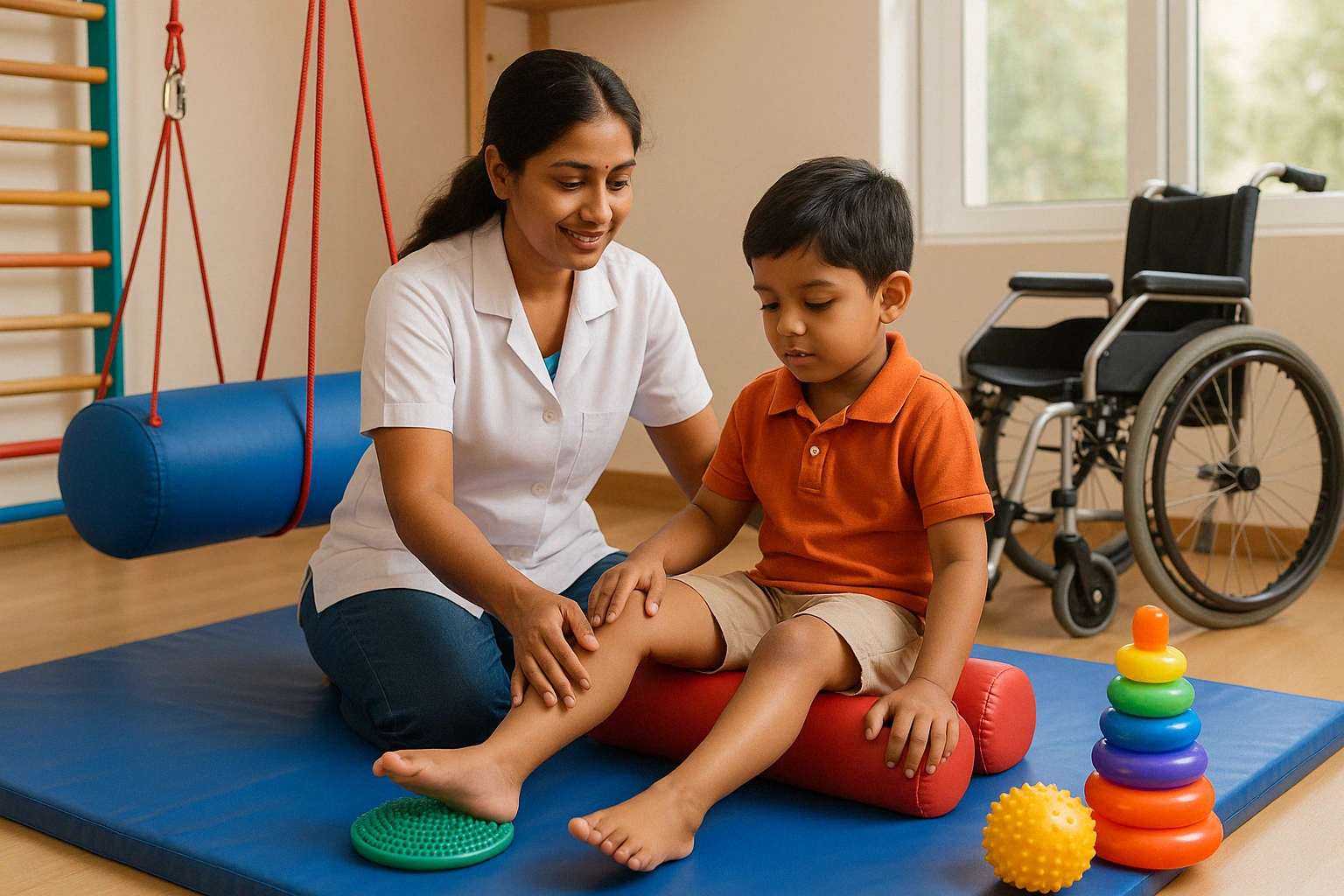
Special Child care plays a vital role in supporting children with unique needs by creating a nurturing environment that addresses their individual challenges. Special child care emphasises providing the child with the precise targeted support they need in different domains, such as academics, socio-emotional progress. It ensures that gradually the child moves away from total dependence to minimal assistance from the teacher’s fostering independence.
Listed below are how special care supports the needs of the special child:
Physical Aid
- The child is given the desired therapy for their physical development through specifically designed exercises targeting the real areas of concern.
- Ensuring that individuals with physical disabilities or any impairments can access the learning environment conveniently with the help of wheelchairs, railings.
- Focus is laid on the development of the fine motor and gross motor skills of the child by incorporating structured, easy activities.
Socio-Emotional Growth
- The therapy based on socio-emotional growth enables children to understand their emotions, recognise them and deal with them positively through consistent guidance and structured routine development.
- Designing learning spaces that are safe for children, where they can express themselves without being stressed about being mocked at.
- Constant counselling is a crucial part of this support, and the child is trained well to foster their social interaction skills.
Developmental Support
- Designs individualised learning plans that match the child’s pace of growth.
- Uses play-based activities and structured programs to enhance cognitive and communication skills.
- Encourages problem-solving, creativity, and self-expression in everyday tasks.
Sensory Assistance
- Help the child acclimate to their surroundings by offering them precise adaptive techniques.
- Build an environment that helps children feel secure and reduces any chances of overstimulation.
- Trains children to handle their sensory issues by equipping them with techniques that help them build resilience in different settings.
Special child care emphasises the all-round development of the child, where care is provided for fostering the holistic progress of the child, taking care of their physical, cognitive, as well as social development, producing confident learners who can manage their challenges well and lead independent lives with respect and dignity.
For more Details on the LD Course, Call / WhatsApp at +919321024137 / +919869866277
To Download the Brochure of the LD Course, Click Here!
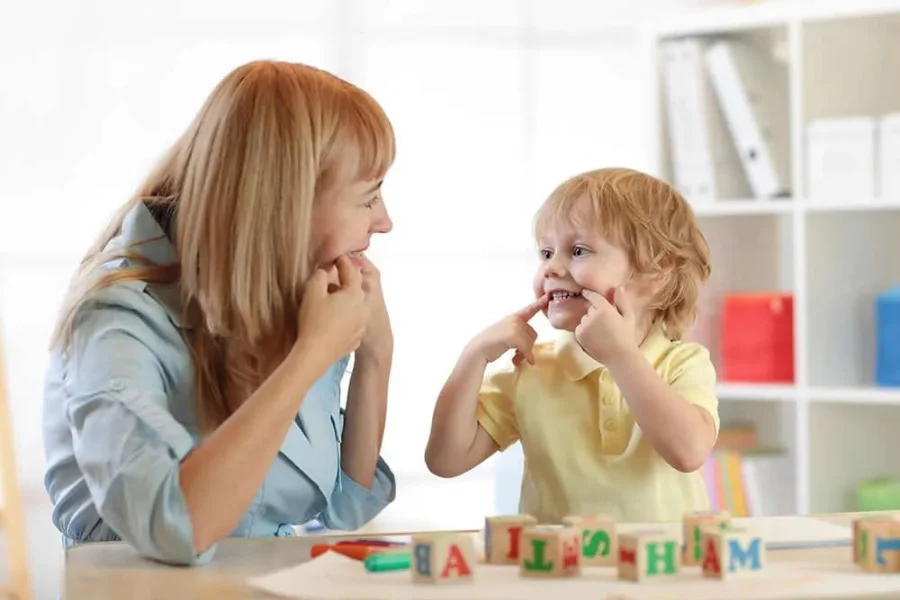
Source: dotolearn
Children with Developmental Disabilities
Children with Developmental Disabilities are individuals who may have missed out on some essential developmental milestones during their growing up age. Due to this, there are delays in language, speech, and cognition skills. But when the child receives decorous guidance and appropriate targeted support, they can attain their learning goals successfully. Parents and caregivers have a huge role in shaping their child’s future, and their support can make a significant impact on their overall growth.
Listed below are some time-tested strategies that have helped children with developmental disorders:
Specialised academic programs aligned with the child’s learning needs
- The academic programs are based on structured schedules highlighting step-by-step assistance that fosters the child’s learning at a pace that is convenient for him. Tailored plans
- are implemented that cater to each child’s needs, ensuring that every child gets a fair chance to succeed.
Individual interaction with therapists and caregivers
Individual attention allows for better understanding of a kid’s strengths and challenges. When the doubts and queries of the child are given due attention, they feel valued, which helps to build trust.
Innovative tasks promote social development.
When the child is taught concepts through innovative tasks such as puzzles, games and word games, it helps the child be interested in learning without any stress and indirectly gives a major boost to their social skills as they must interact with their classmates for problem-solving while participating in these games.
Preparing teachers and caregivers with the correct information is equally important. Institutions like Vidhyanidhi Education Society (Govt. Regd.) offer a Learning Difficulties Course that prepares teachers to handle kids with developmental needs effectively.
This Learning Difficulties Course covers practical methods, teaching methods and behaviour management methods important for supporting growth. By enrolling in this Learning Difficulties Course, teachers and caregivers gain the expertise to create inclusive learning environments where kids feel supported and valued.
For more Details on the LD Course, Call / WhatsApp at +919321024137 / +919869866277
To Download the Brochure of the LD Course, Click Here!
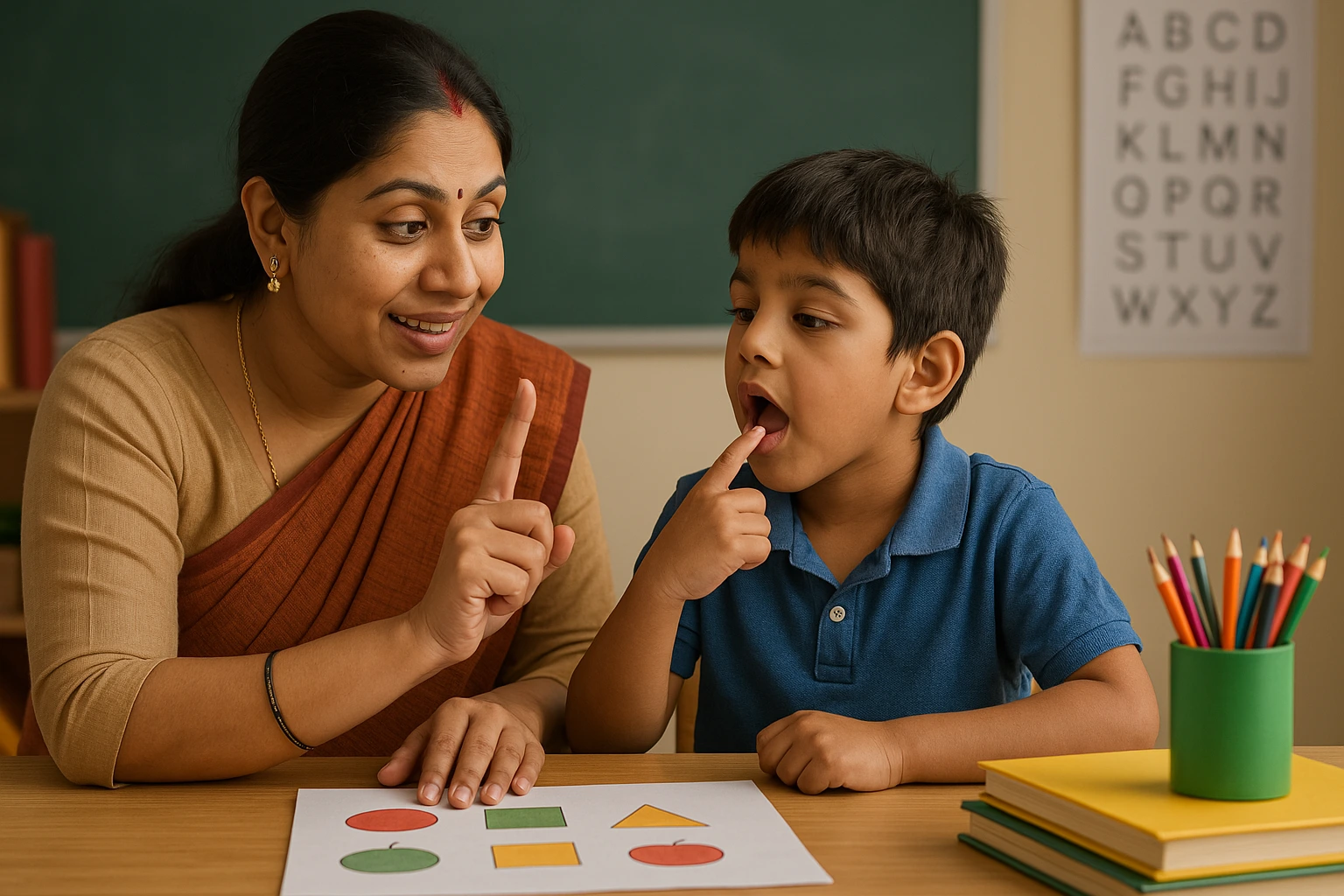
Behavioural and Emotional
Any disorder, irrespective of its type, has always severely impacted a child’s confidence, making it difficult for them to acknowledge their emotions and deal with them effectively. Due to such behaviour patterns, forming friendships or bonds with their peers seems to be impossible and challenging. But when children are trained to handle their emotional turmoil efficiently, they can relate well with their classmates by developing resilience and self-confidence.
Behavioural and Emotional support includes:
- Implementing the behaviour alteration therapy where the negative pattern of behaviour is replaced with acceptable responses.
- Making the learning environment a secure learning space for every child that ensures every child’s academic and social development.
- Offers social skill training to improve interaction with peers, ensuring smoother communication and stronger friendships.
In the same way, kids with sensory impairments like vision or hearing problems benefit greatly from specialised support. When such individuals are provided with the exact impairment-based strategies and tools, it enables them to participate and engage completely in the regular classroom and form meaningful bonds in their social surroundings.
This includes:
- Provides students with treatment that helps them be comfortable in their surroundings, letting them focus better.
- Students’ learning needs are addressed by offering them hands-on learning tools such as braille books that make learning a joyous process for them, helping them participate well.
- Inspires participation in group activities to improve social interaction, nurturing a sense of belonging.
Both areas of support emphasise the importance of inclusivity, personalised strategies and creating atmospheres where every kid can grow, learn and feel confident in their skills.
Transform learning challenges into strengths with Vidhyanidhi’s expert LD course today!
For more Details on the LD Course, Call / WhatsApp at +919321024137 / +919869866277
To Download the Brochure of the LD Course, Click Here!
FAQs
What are the Basic Needs of Care?
Safety, food, health, emotional support, and education are all basic requirements of care that help kids grow up in a safe and supportive environment.
How to Help a Child Struggling with Reading?
Use fun resources, read aloud together, and learn phonics. Courses offered by the Vidhyanidhi Education Society provide useful practices.