Autism and Special Education together form the foundation for creating inclusive and supportive learning environments. Children with autism are gifted individuals with average intelligence, but due flawed capabilities of the brain to process signals, their learning skills suffer a heavy setback. Special Education provides teachers with precise teaching methodologies that help children with autism learn in a manner that suits their learning preferences.
Special Education has a crucial role in handling children with autism as it equips aspiring teachers to carefully devise intervention strategies, adapt their teaching methods and curriculum to address their diverse learning needs and ensure that their other developmental domains also get duly addressed.
Special Education safeguards not just the academic progress of the child, but it also offers a holistic approach in fostering the child’s overall personality, boosting his confidence to lead wholesome lives with dignity and independence.
With the right method, individuals with autism can develop flexibility, confidence, and crucial life skills that help them succeed in school and everyday life, while also preparing them for future success.
What is the Role of Special Education in Autism?
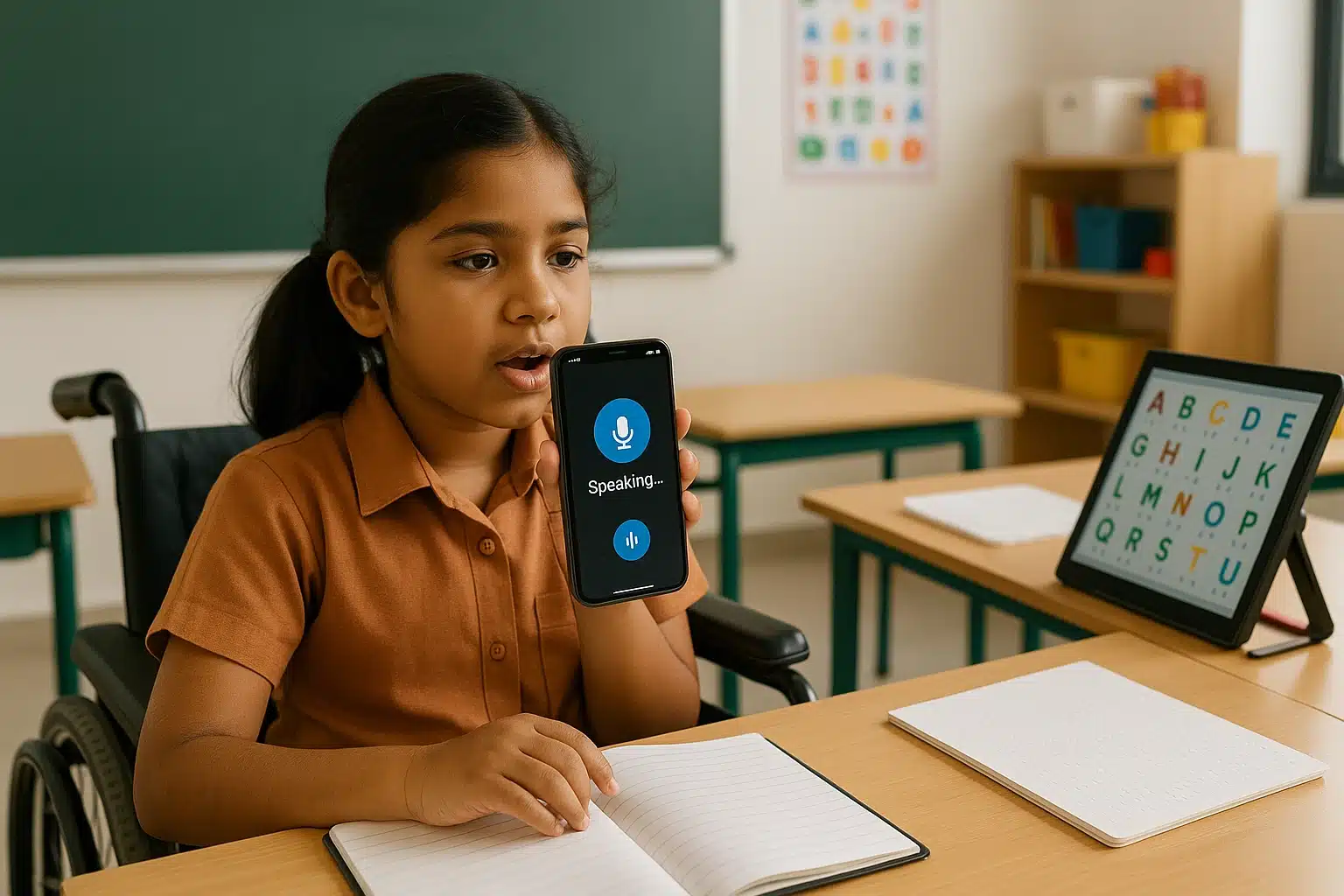
Special education assists individuals with autism by providing an education tailored to their needs, attending to the development of skills like communication, social interaction, and independence. Special education utilizes individualized education programs (IEPs) and evidence-based practices, such as visual supports and structured teaching, to support academic skills and life skill development, as well as provide a sensory-friendly environment.
Elevate your teaching career with our SEN Course!!
Our comprehensive SEN Course is Available Here.
Get details of our SEN Course via Call / WhatsApp on +919321024137 / +919869866277.
Key Roles and Strategies in Special Education for Autism:
Individualised Education Program (IEP):
A legally required plan designed specifically for each student. It plans individual goals, services, accommodations, and methods tailored to support success in learning and development.
Proficiencies development
Dedicated efforts are taken to work on the child’s essential competencies that are a must for their daily living.
- Speech and Language development: To enhance the child’s communication skills and better his language development, various therapies are applied. Speech therapy is an effective technique used for the child to express himself clearly.
- Interpersonal Skills: Encouraging the child to participate in group activities so that they mix around with their peers, interact with them to maintain strong bonds for meaningful relationships.
- Operational Skills: The child is trained to follow daily routines and taught life skills with consistent exercises to gradually help the child function with independence.
Learner-friendly Atmospheres
The learning environment is designed to suit the sensitivities of the child. Classrooms with minimal distractions, quiet spaces and adequate but soft lighting help children be calm and composed in their learning spaces.
Methodical Teaching Techniques
The child’s educational plan has systematically planned teaching strategies that incorporate a variety of multi-sensorial teaching materials, daily routines and chunking of tasks to help them understand better without being stressed.
Emotional guidance
Behavioural support strategies of positive rewarding and acknowledging the child’s small wins help to boost the child’s morale and instil in them the confidence to function effectively in a regular classroom, helping them get rid of anxiety and frustration.
Collaboration with stakeholders
Parental Involvement is an essential tool that helps to promote the child’s pace of progress by promoting their learning at home through regular meetings, training workshops and informal get-togethers.
Special education helps to build a strong foundation of positive learning that helps them handle their challenges effectively and lead independent lives with dignity and self-respect.
Our comprehensive SEN Course is Available Here.
Get details of our SEN Course via Call / WhatsApp on +919321024137 / +919869866277.
Source: reekooz
Understanding the Challenges
Autism has a direct impact on the learning skills, behavioural patterns and their interpersonal skills, hampering their overall progress. Autism affects every child in a varied way, so the challenges of every individual will differ. To address the challenges of children with autism, educators must gain deep insights about the child, note their strengths and weaknesses, and accordingly chalk out a suitable plan to support them efficiently.
Some common challenges include:
Interaction Issues
Children with autism fail to understand cues and find it difficult to express themselves clearly. As the child fails to bond with their peers, they feel frustrated, and this can lead to hesitation on the part of the child to even attend school or find reasons to avoid school.
Interpersonal interaction struggles
Making eye contact is a big struggle for children with autism. They find it difficult to understand expressions and often fail to give a desirable response, which makes group learning confusing and uncomfortable for them without channeled assistance.
Monotonous and rhythmic behaviours
Children with autism often exhibit repetitive actions such as flapping of hands or making sounds that can disrupt classroom activities if not handled properly.
Sensory Issues
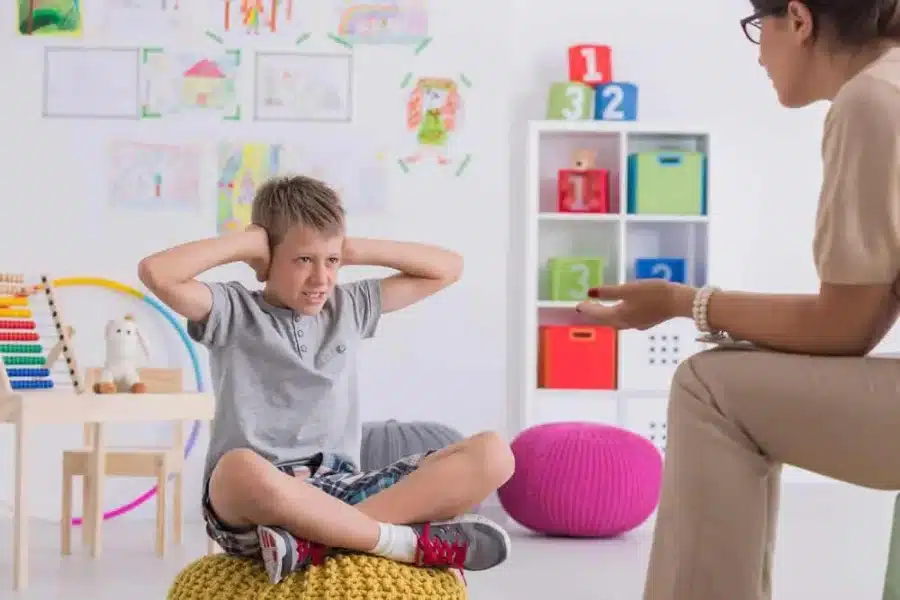
Children with autism have sensory issues that can interfere with their behaviour patterns. They get easily overwhelmed in noisy atmospheres or blaring lights, causing emotional burnout for them.
Emotional Turmoil
Children with autism find it extremely difficult to deal with their emotional burnout. Any changes in their daily schedules can be highly overwhelming for them, leading to chaotic situations. Special Education, with the help of behavioural strategies, helps children exercise ways to calm their minds and be focused in such situations.
Understanding these struggles at an early stage helps to chalk out a systematic intervention program that helps to build a learning space that supports learning for all children, ensuring that every child gets a fair chance to acquire education, just like other children.
Our comprehensive SEN Course is Available Here.
Get details of our SEN Course via Call / WhatsApp on +919321024137 / +919869866277.
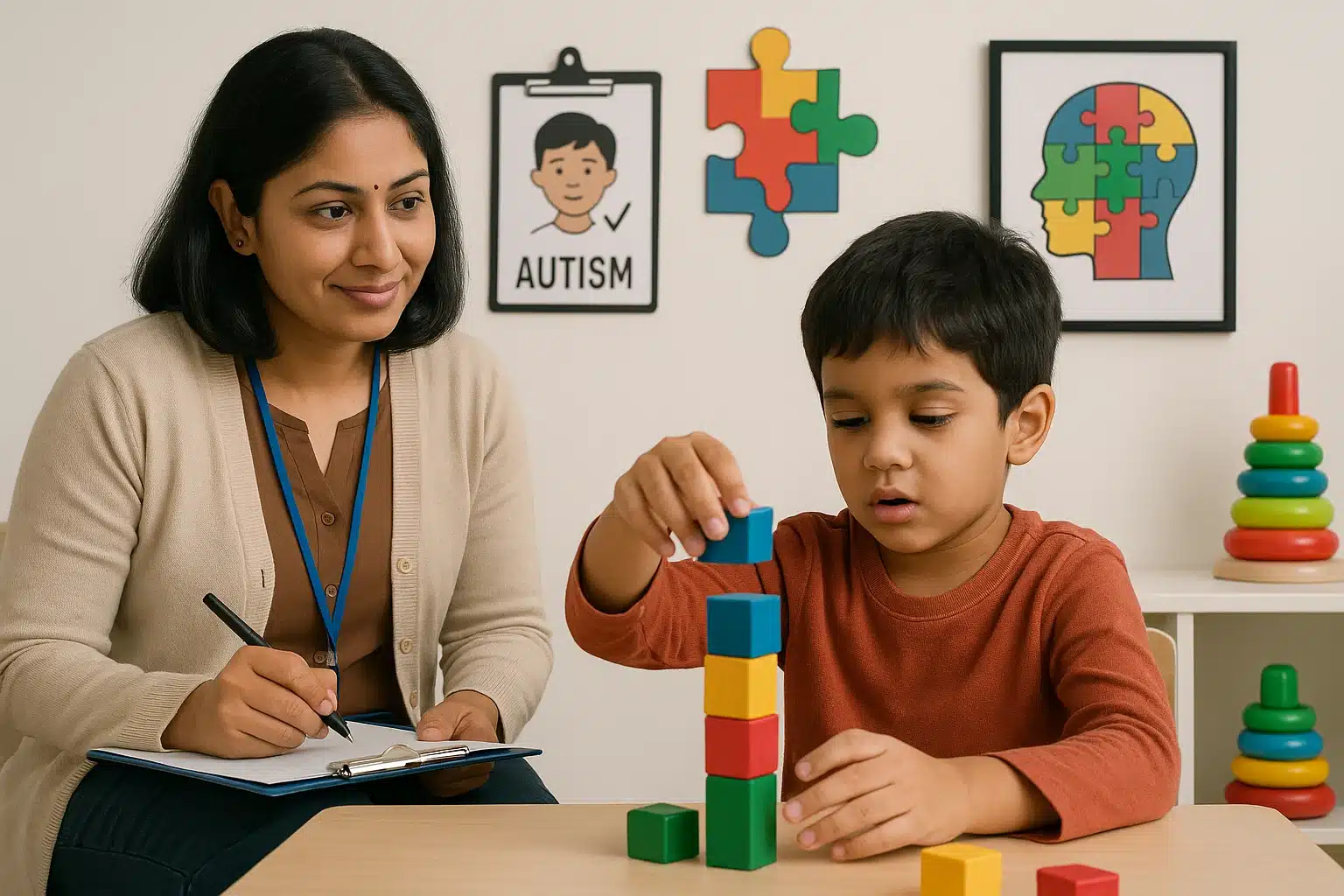
Inclusive Education and Support
Inclusive Education ensures that kids with autism learn alongside their peers in mainstream classrooms with the right support. It promotes equal opportunities and helps build a sense of belonging for every learner, regardless of their abilities.
Inclusive education aims to ensure that there is maximum engagement and participation in the regular classroom. Inclusive education focuses on implementing essential strategies of modifying syllabi, providing children with tailored teaching methods, and adapting the classroom atmosphere for children with autism to flourish academically and socially.
Primary attributes of inclusive education and support are listed below:
- Productive alliances: Educators to work in close unison with therapists, class teachers and counsellors to devise appropriate intervention plans supporting the child’s needs.
- Adapting the Classroom environment: Making the needed adjustments to organise the classroom in a manner that fosters learning for all, helping children remain focused and calm.
- Peer Partnerships: Encouraging and conducting group activities that foster empathy and understanding amongst friends, helping generate more awareness about the challenges of children with autism and eradicating any false beliefs that surround the term Autism.
- Learner-friendly methods: Incorporate a blend of different sensorial teaching techniques that suit the child’s learning styles, helping them learn in a stress-free manner.
- Continuous Progress tracking: Regular assessments and reviews help in tracking the progress of the child, and the desired changes are made to handle any backlogs that are hampering the child’s learning.
Inclusive education creates learning spaces that promote inclusivity by changing the mindset of educators, teachers, parents and even communities to provide children with autism a supportive environment that helps them attain their true potential and lead flourishing lives.
Impact of Special Education on Academic Performance
Special education plays an important role in improving the educational performance of children with autism. By focusing on their individual strengths and addressing specific learning difficulties, special education creates a more supportive and effective learning experience.
Kids with autism process information differently, so they must be provided with tailored teaching methods that suit their learning styles, and a conducive learning environment should be created that helps them remain calm, focused and be more mentally engaged in the learning process one can be trained from Special Education Needs Course.
The impact of special education on academic performance includes:
- Improved concentration levels: When exclusive strategies are incorporated in the child’s IEP, it helps to improve their concentration levels and keeps them more involved in the classroom.
- Enhanced Information Retention: Using a varied mix of teaching techniques helps children to understand concepts better with step-by-step instructions and retain this information for a longer span.
- Regular Reviewing of Progress: Periodic assessment and continuous reviewing help to track the child’s progress and ensure that the current educational plan is helping the child gain his learning goals effectively.
- Increased Confidence: Positive reinforcement and small achievements build motivation and self-confidence, leading to a more active method of learning.
Vidhyanidhi Education Society (Govt. Regd.), a pioneer teacher training institute, has initiated a top-notch Special Education Needs course that has equipped aspiring teachers with distinct teaching methods and strategies that help them provide children with autism impactful learning experiences, helping them thrive academically and socially.
This program covers evidence-based teaching methods, behaviour support approaches, and ways to implement Individualised Education Programs (IEPs) effectively.
Teachers who complete the Special Education Needs Course are better prepared to meet the various learning needs of children with autism. This Special Education Needs Course empowers teachers to gain core competencies of theoretical understanding of various learning disabilities and helps them imbibe excellent classroom management skills that help them create an encouraging and favourable learning environment, giving each child a chance to be successful.
Elevate your teaching career with our SEN Course!!
Our comprehensive SEN Course is Available Here.
Get details of our SEN Course via Call / WhatsApp on +919321024137 / +919869866277.
Autism and Special Education
FAQs
What is the Role of Special Education in Autism?
Special education has a significant role in autism as it chalks out suitable educational plans that build the child’s intellectual, social and learning competencies.
Why is it Important to Support Children with Autism?
Children with autism can attain their potential when supported with appropriate teaching methods that enhance their learning experiences and foster their progress.