
Source : freepik
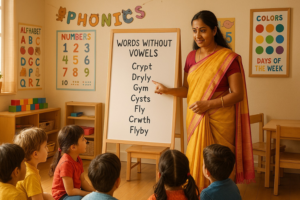
Kids with ADHD and Learning issues generally have trouble paying attention, keeping organized and processing information quickly. These problems might make it harder for them to do well in school and get along with others. Teachers and parents can help kids with ADHD and Learning problems more by setting up disciplined routines, making classes interesting and being patient. Recognizing problems early and getting treatment may make a huge impact, helping youngsters feel good about themselves and do well in school.
How Does ADHD Affect Learning?
ADHD affects how children focus, process information, and interact in learning environments. It influences not only academic performance but also emotional and social development. Understanding its effects helps educators and parents create strategies that make learning more accessible and effective.
Children with ADHD often struggle to maintain attention, follow instructions, and manage time. These challenges can make even simple classroom activities overwhelming.
Here’s how ADHD impacts different areas of learning:
Attention and Focus
- Kids may find it tough to stay attentive during lessons.
- They often get distracted by sounds, movements or even their own thoughts.
- Missing key details in instructions or lessons affects their understanding.
Organisation and Time Management
- Keeping track of assignments, books and schedules becomes difficult.
- They may start tasks with interest but struggle to complete them.
- Inconsistent performance can lead to frustration and low self-confidence.
Memory and Retention
- ADHD can affect working memory, making it hard to recall recently learned information.
- Kids may understand a topic in class but forget it during tests or homework.
Impulse Control
- Impulsivity leads to blurting out answers, interrupting peers or making careless mistakes.
- This behaviour can sometimes be misunderstood as defiance rather than a symptom.
Irregulated behaviour pattern
- Due to irregular emotional patterns, there are frequent mood swings that hamper the child’s potential to learn.
- Due to poor social interaction skills, the child finds it difficult to form meaningful friendships, often hesitating to be a part of group tasks.
Children with Adhd have a lot to deal with, especially difficult behaviour patterns that affect their social bonding with their peers as well. When these individuals attain the desired assistance and guidance, it helps them explore their real potential and helps them become a successful component of a regular classroom.
Customised teaching techniques and structured routines provide a lot of stability to the child’s overall well-being, and it helps them gain confidence and raise their morale, enabling them to carve a flourishing path of bright futures.

Source: indiadidac
Impact of having ADHD and a Learning Disability
Vidhyanidhi Education Society (Govt. Regd.), a pioneer teacher training Institute has initiated a top-notch academic program that blends different teaching pedagogies, latest methodologies and advancements that make a huge impact on the overall development of the child. With structured support and consistent guidance, children with Learning disabilities can thrive academically and socially in the world outside.
Join Vidhyanidhi Education Society’s (Govt. Regd.) Learning Disability Course to shape futures as a Special Education Educator!
Kids with ADHD and a Learning Disability face severe issues with attention span and focusing, which are the foundational skills for long-term success. may struggle not only with concentration but also with reading, writing, or math skills. This multifaceted challenge hampers the child’s overall well-being.
The impact of ADHD and Learning Disabilities are listed as follows:
Academic Challenges
- Struggles to focus on a single task for a longer duration, impacting their learning outcomes.
- Difficulty in processing new information often results in incomplete assignments.
Emotional Effect
- Regardless of hard work child might not achieve the desired learning outcomes, which leads to low self-esteem.
- Comparing themselves to their peers can lead to frustration and aggression in them.
- Constantly encouraging them is essential to motivate them to strive harder to attain their true potential.
Social Interaction Issues
- Acting on impulse and poorly developed communication skills lead to poor peer friendships.
- Not being able to decipher facial and social cues can lead to conflicts or chaotic situations.
- Positive learning atmospheres that promote oneness and harmony.
Behavioural Struggles
- Children become aggressive at times and may create a lot of disruptions in the class.
- Such patterns of behaviour are a sign of the internal turmoil that the child is going through.
Tailored intervention
- Customised teaching techniques and a blend of multi-sensorial strategies help to provide the child with the much-needed academic aid.
Kids with ADHD and a Learning Disability need tailored support that helps them learn in a manner that suits their learning styles and preferences. With consistent support and guided teaching tactics, children are well-equipped to transform their challenges into learning opportunities with efficiency.
For details of the LD Course, Call / WhatsApp on +919321024137 / +919869866277.
To download the LD Course brochure, Click Here!

Source: schoolofhealthcare
How are Learning Disabilities and ADHD Diagnosed?
Diagnosing Learning Disabilities and ADHD requires careful observation, assessment, and collaboration between parents, teachers, and healthcare professionals. ADHD and Learning disability have a direct impact on the crucial learning skills of the child that are shaped during the early years, and therefore identifying them at an early stage helps to eliminate any major issues that can affect the child’s future endeavours.
Children showing signs of inattention, restlessness, or academic difficulties are often first noticed in school settings. Teachers often note these consistent small signs, such as incomplete assignments, causing chaos in the classroom that may raise concerns for the well-being of the child. Getting a proper diagnosis helps to ensure that the child receives the desired academic aid and guidance at an early stage.
The steps of the diagnostic process are:-
Scrutinisation and input collection
- Inputs are taken from sources such as parents and teachers so that they can work together to devise plans for the child’s behaviour, learning habits, and social interactions.
- Knowing the history enables professionals to have a proper idea of when the symptoms started appearing.
Psychological reviewing
- Routine tests are scheduled to evaluate the child’s reading, writing and math skills.
- This helps to understand the exact areas of concern that need urgent interventions.
Behavioural Assessments
- The child’s essential skills of attention span and activity levels are evaluated in different settings.
- Feedback from parents and teachers is crucial to confirm consistent behaviour patterns.
Evaluation by certified Medicine Professionals
- Paediatricians or neurologists conduct evaluations to eliminate any possibilities of vision impairments or any health-related problems that are affecting the child’s learning skills.
- For any child to get a diagnosis of ADHD needs to exhibit ADHD Symptoms in various settings for at least 6 months.
Alliances Diagnosis
- Different teams of Psychologists, special educators and doctors work collaboratively and present their findings to confirm the diagnosis.
When a precise diagnosis is obtained, it helps to devise appropriate academic plans along with behavioural management techniques for the overall development of the child.
Early detection of Learning Disabilities and ADHD enables timely intervention, helping kids reach their full potential. With the right combination of academic support, behavioural strategies, and family encouragement, every kid can progress confidently in their learning journey.
For details of the LD Course, Call / WhatsApp on +919321024137 / +919869866277.
To download the LD Course brochure, Click Here!

Source: communities
Treatment for ADHD and Learning Disabilities
The primary aim of offering help for ADHD and learning disabilities is to help the child be functionally independent in his day-to-day activities and be an integral part of the mainstream classroom. The treatment for ADHD and Learning disabilities involves a systematic approach that combines various teaching pedagogies, multi-sensorial teaching techniques and a supportive learning atmosphere that fosters the child’s overall holistic progress in both education and daily behaviour.
Vidhyanidhi Education Society (Govt. Regd.), a premier teacher training institute, has launched a highly job-certifying Learning Disability Course that has transformed the careers of thousands of candidates, helping them make an impactful start in the Special Education Sector.
This course empowers trainees to understand the real challenges of children with special needs and devise ways to help children navigate their way through the challenges to develop the desired competencies and prepares teachers and parents to understand and manage these challenges effectively. Through this Learning Disability Course, individuals learn methods to identify symptoms early and apply suitable interventions.
Effective treatment approaches include:
Behavioural Therapy
- This therapy targets the behavioural aspect of the child, helping them handle their impulsive behaviour pattern.
- Encourages positive behaviour through reinforcement techniques.
Educational Support
- Individualised Education Plans (IEPs) focus on a kid’s unique needs.
- A blend of multi-modal forms of teaching methods, comprising multi-sensorial teaching techniques are used to enhance the child’s learning skills.
- Aspiring special educators after undergoing a top-notch Learning Disability Course are qualified to devise tailored learning atmospheres suiting the child’s needs.
Medication (if required)
- At times, in certain cases, medication can be prescribed for ADHD to lessen their hyperactivity and promote emotional regulation.
Parents’ Participation
- Parents are educated to implement routines for their children at home.
- Regular feedback and constant communication help parents and teachers to promote the child’s learning in a better manner.
Support from adept professionals:
- Leading professionals from various fields, along with teachers and occupational therapists, help the child in all domains.
The Learning Disability Course from Vidhyanidhi Education Society gives teachers and parents what they need to use methods that have been shown to work. This way, every kid gets the right kind of care, understanding and learning support. Kids with ADHD and Learning Disabilities can do well in school and in their personal lives if they get regular help.
Join Vidhyanidhi Education Society’s LD Course to shape futures as a Special Education Teacher!
For details of the LD Course, Call / WhatsApp on +919321024137 / +919869866277.
To download the LD Course brochure, Click Here!
FAQs
What Learning Disabilities are Common with ADHD?
Some learning challenges that are common in people with ADHD are dyslexia, dyscalculia and written expression disorder. These disorders make it hard to read, do math, and write.
Does ADHD Slow Down Learning?
ADHD doesn't make it harder to learn, but it does make it harder to focus and remember things, which makes it harder to understand and remember new knowledge.
Are People with ADHD Good Learners?
Yes, with the right teaching strategies and support, individuals with ADHD can shine as creative and insightful students.
What are Common ADHD Behaviour Problems?
Common ADHD behaviours include impulsivity, restlessness, and difficulty focusing. Vidhyanidhi Education Society helps address such challenges through expert-led programs.