
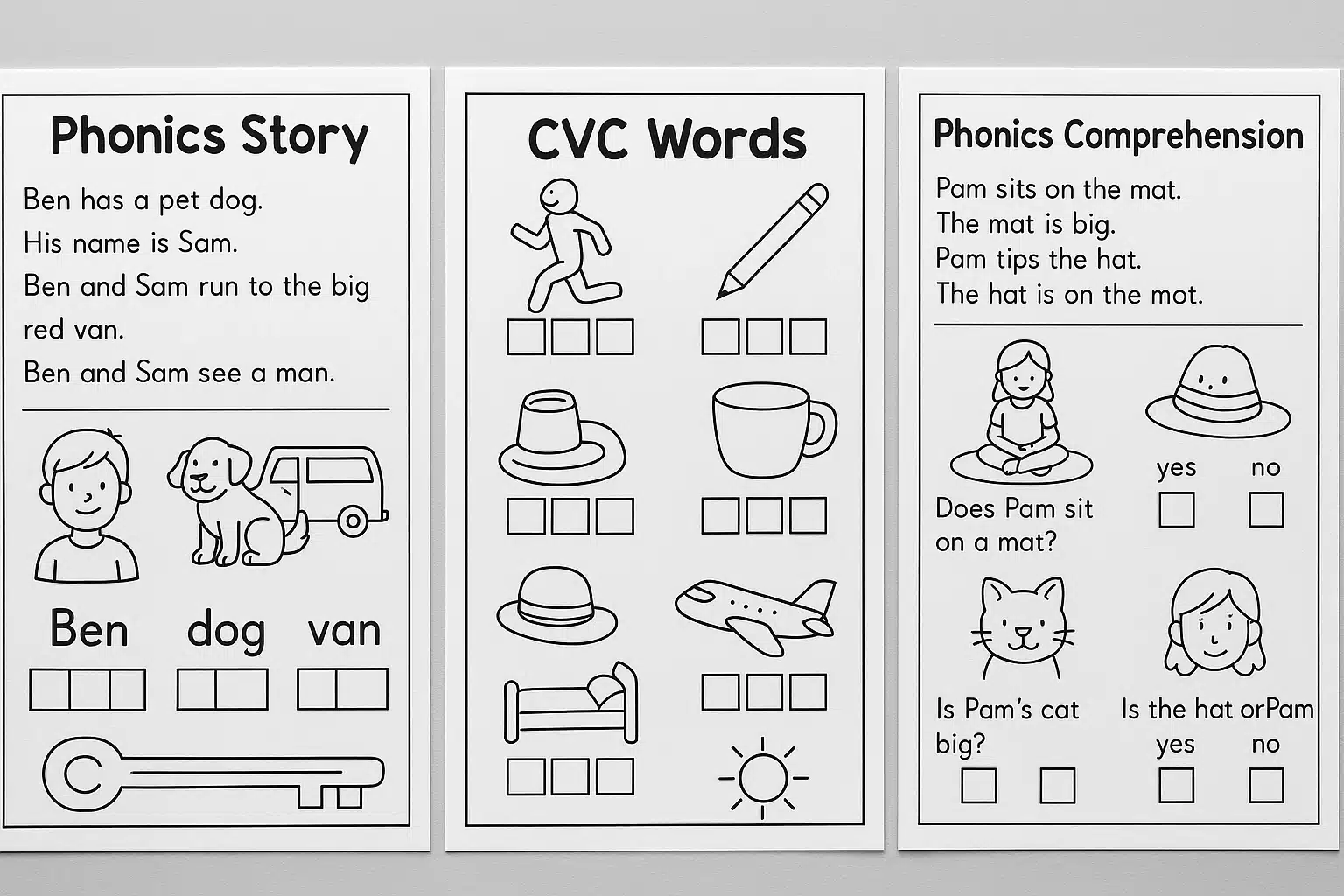
Teaching kids the sounds of letters is the first step to helping them read successfully. ABC Sounds Phonics doesn’t only teach youngsters the names of letters; it also teaches them how to speak them. When kids learn via songs, gestures and games, they pay more attention and remember Sounds better.
Kids may form simple words like “cat” and “sun” by beginning with short vowel sounds and simple consonants. If you use ABC Sounds Phonics regularly, it will help you combine sounds, read simple books, and improve your early literacy skills in a natural way.
Easy Steps to Teach Letter Sounds
Teaching letter Sounds becomes effective when learning is kept simple, playful, and consistent. Clear steps help children recognize sounds quickly and build early reading confidence. Below are easy and practical ways to teach letter sounds at home or in the classroom.
Start with common letter sounds
Begin with frequently used consonants such as b, c, m, s, and t. Focus on the sound each letter makes instead of its name.
Introduce short vowel sounds early
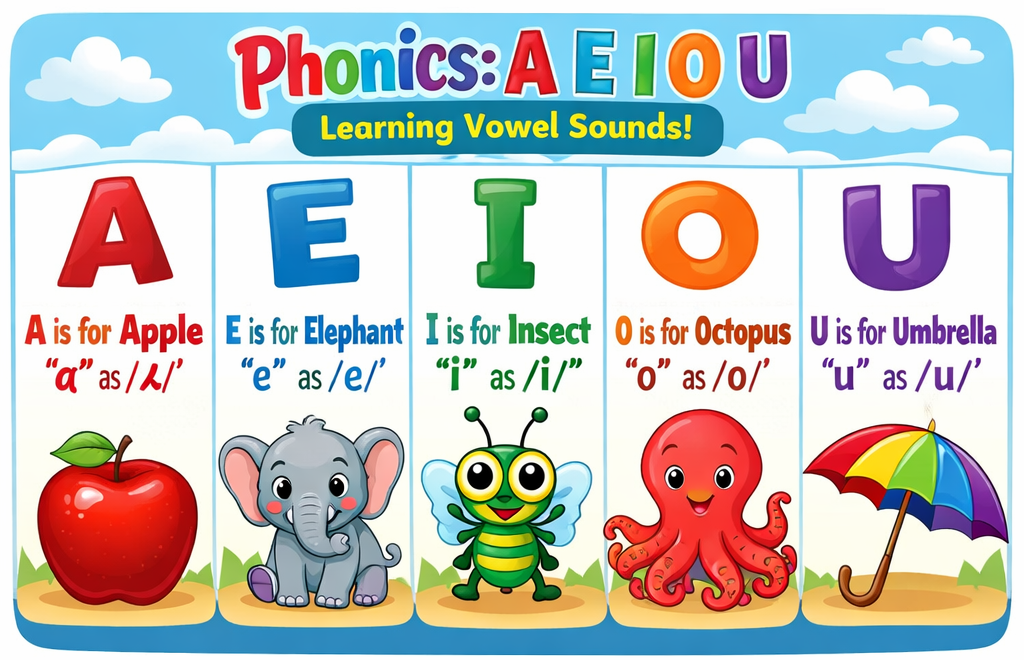
Short vowels like a, e, i, o, and u help children form basic words. Practice each sound using examples children hear in daily life.
Use songs, actions, and visual cues
It’s fun and easy to remember things when you use songs, word games, and picture cards to learn. Kids learn more when they use all of their senses.
Practice blending sounds
When kids learn a few sounds, put them together to make easy CVC Words like cat, bat, and sun. Say each sound slowly, then mix them together.
Play sound-based games
It’s fun and interesting to practice when you match sounds, find starting sounds, and sort things by sound.
Read simple phonics books
Kids are able to use letter sounds while reading short, repeated stories.
Repeat daily in short sessions
A few minutes of practice every day can boost your confidence without making you tired.
These easy steps help children develop strong Phonics skills and prepare them for independent reading.
Download Phonics Course for Teacher Brochure Here.
For any Phonics Course for Teacher -related info, dial +919869546913 / +919869866277.
Best way to Teach Letters and Sounds
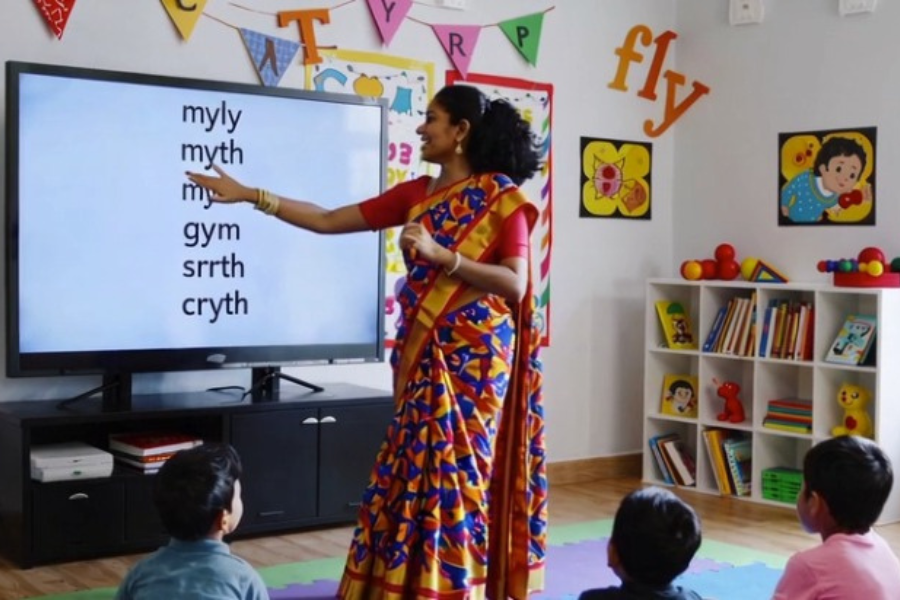
Make learning Letters and Sounds fun, easy, and clear is the best way to do it. Reading is more fun and easier for kids who know how letters and sounds work together. Kids learn to read well when they can do it in a way that is both fun and organized.
Begin with sounds before letter names
Start by helping children learn the individual sound each letter represents. Kids can put these sounds together and read simple words with less doubt and more confidence when they know them well.
Introduce letters in small groups
When you teach kids a few letters at a time, they can recall the sounds better and employ them in basic word-building games.
Use visual and hands-on tools
Flashcards, letter tiles, sand trays and picture charts help kids connect sounds with shapes through touch and sight.
Include songs and actions
Rhymes and movements make learning lively and help children recall sounds naturally during reading activities.
Blend sounds to form simple words
Once kids grasp the fundamental sounds, help them put them together to make CVC words like cat, dog, and sun.
Practice through play
Sound matching, letter searches, and classifying things by their first sounds are all fun ways to learn.
Read phonics-based books regularly
Children may practice what they have learnt by reading simple books with sounds that repeat.
Maintain short daily practice sessions
Consistent practice builds confidence and supports steady progress without pressure.
This method helps kids learn letters and sounds well, which makes them more confident readers.
Download Phonics Course for Teacher Brochure Here.
For any Phonics Course for Teacher -related info, dial +919869546913 / +919869866277.

Happy and Fun Learning Tips to Teach Phonics
Phonics is easier to teach when Learning feels fun, kids share positive connections with their teachers. When activities are engaging and achievable, kids gain confidence step by step. Doing a basic task well makes kids feel good about their development and keen interested in reading.
Use action songs and rhymes
Kids may memorize letter sounds easily while being active by waving their hands as they sing learning songs.
Play sound-based games
Games like “I Spy” with starting sounds, matching sounds and Letter hunts keep kids interested and on task.
Include hands-on activities
When kids draw letters in sand, work with clay, or put letter cards in order, they can play and learn at the same time.
Read short phonics stories
Reading simple books with sounds that are repeated helps kids connect letters to words while they enjoy stories.
Practice blending in a playful way
Slowly say the sounds and cheer when the kids mix them up to make words like “cat” or “sun.”
Use everyday objects
To help kids learn, use sounds they hear every day, like b for ball or m for milk.
Keep sessions short and cheerful
Short practice times prevent tiredness and maintain interest.
Happy and fun Phonics Activities help kids develop strong reading skills while enjoying the learning process.
Download Phonics Course for Teacher Brochure Here.
For any Phonics Course for Teacher -related info, dial +919869546913 / +919869866277.
Activities for Teaching Phonics
Fun phonics activities are a great way to help kids make the connection between letter sounds and reading and writing. A well-planned Phonics Teacher Training Course gives teachers the tools they need to make phonics learning fun, easy to understand, and right for the students’ age.
Sound matching games
By matching letters with pictures that start with the same sound, kids learn to recognize sounds while having fun.
Action songs and rhymes
Using movements with songs helps children remember sounds through repetition and physical activity
Letter sound sorting
Moving to music helps kids remember sounds by making them do it over and over again and getting them moving.
Blending activities
Slowly combining sounds to form simple CVC words like cat and sun supports early reading practice.
Sensory-based learning
Tracing letters in sand, rice, or using clay makes sound learning hands-on and enjoyable.
Phonics story time
Reading short phonics-based books allows children to apply sound knowledge naturally.
People who take a Phonics Teacher Training Course learn how to choose the right tasks for each student’s level of learning. Structured Phonics Teacher Training Courses also cover how to run a classroom, how to test students, and how to use teaching materials that are safe for kids.
Vidhyanidhi Education Society has a Phonics Teacher Training Course for parents and teachers who want to help kids learn phonics and become confident readers at a young age.
Join Vidhyanidhi Education Society’s Phonics Course for Teacher and transform teaching into lifelong literacy!
Download Phonics Course for Teacher Brochure Here.
For any Phonics Course for Teacher -related info, dial +919869546913 / +919869866277.
How to Teach ABC Sounds Phonics?
Phonics Teacher Course
FAQs
Should a 2 year old know their ABC's?
No pressure is needed. At age 2, recognizing a few letters or sounds through play is enough, not full ABC mastery.
What is the most common letter?
The letter E is the most common in English and appears frequently in early reading and phonics practice.
At what age should I stop reading to my child?
There is no age limit. Reading together supports language, bonding, and comprehension even after children read independently.
Do all gifted kids read early?
Not all the time. Some talented kids are better at thinking or being creative than they are at reading early. Vidhyanidhi Education Society provides and supports courses like ABC Sounds Phonics via a variety of learning methods.