Learning to read can feel like cracking a secret code, and phonics is exactly the key that helps unlock it. What is meaning of phonics? It is a method of teaching people, especially young children, how to connect letters and sounds together so they can read and write with confidence. Every letter or group of letters makes a specific sound, and phonics teaches you to recognize those sounds and blend them into words. Think of it as learning the rules of how written language actually works. Once you understand these rules, reading becomes far less confusing and much more natural.
Many parents and teachers often ask, What is Meaning of Phonics, because it forms the very foundation of Early Literacy Education around the world. Whether a child is just starting school or struggling to keep up with reading, phonics gives them the tools they need to make sense of words on a page — one sound at a time.
How to teach Phonics?
Lessons that are clear, fun, and organized are the greatest way to Teach Phonics. Start with easier sounds before going on to more complicated word patterns. Because of this, they will feel sure of themselves at every step. If kids practice sounds for short amounts of time every day, they will remember them and be able to utilize them when they read and talk.
Here are a few effective methods for teaching phonics:
Instruct students on letter sounds
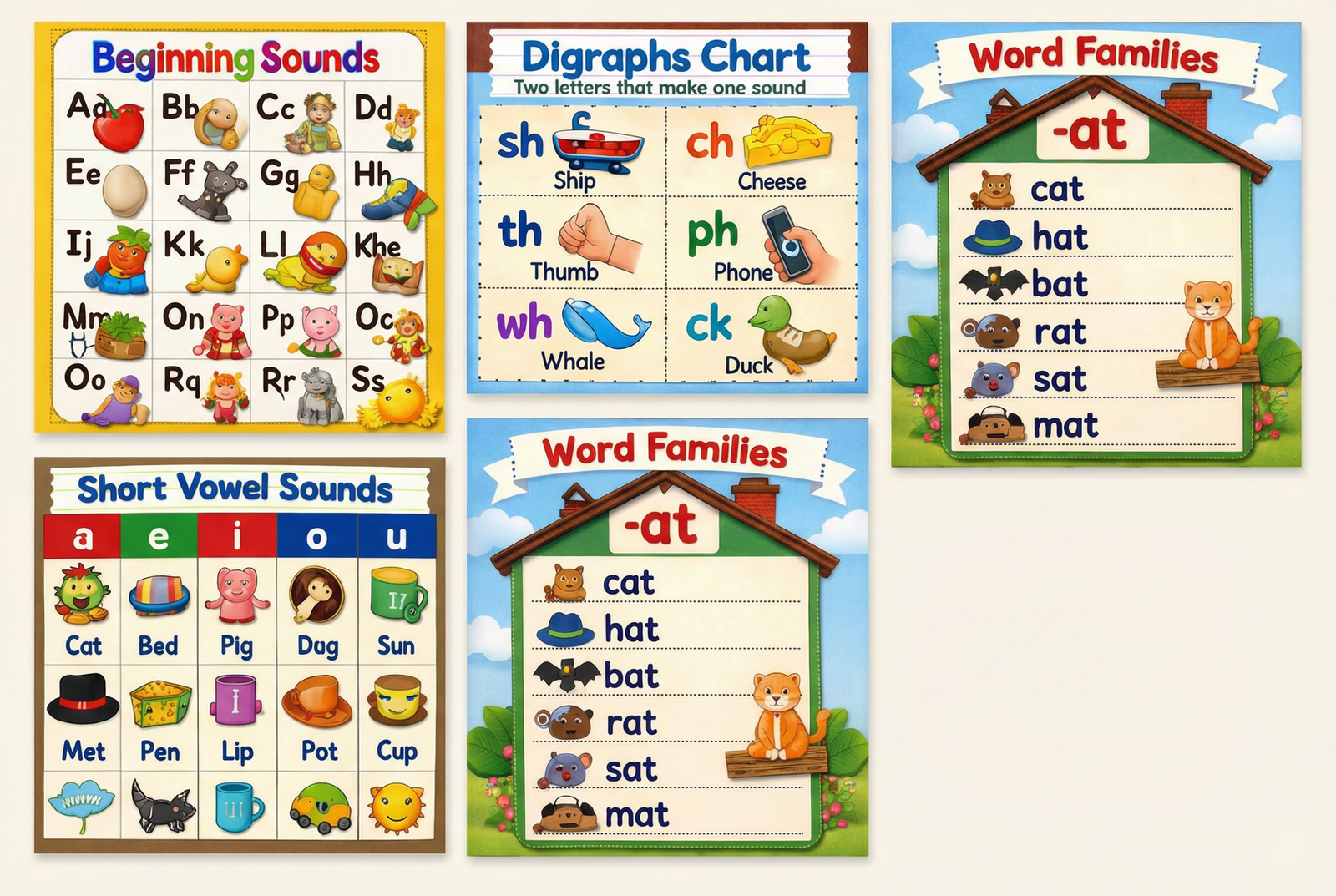
Use songs, movements, and flashcards to help kids learn the names and sounds of letters. Start with letters that are simple to read, such s, a, t, p, i and n.
Sound-to-letter matching
Use pictures or items from real life to help you understand how letters and sounds work together.
Mix /c/, /a/, and /t/ to show how sounds join together to make words like “cat.” Begin with two sounds and then go on to three-letter words.
Segmenting and word building
Use letter tiles to break words down into sounds and then put them back together. Change one letter at a time, like “cat” to “hat” to “hot.”
Introduce digraphs
Teach sound pairings like sh, ch, and th, where two letters come together to make one sound.
Practice and play
Use games, read aloud, and repeat to help students remember what they’ve learned. This makes classes fun and interesting for all senses.
To download the brochure of the Phonics Course, Click Here!
For more details of Phonics Course Call: +91 8369377157 / +919869546913
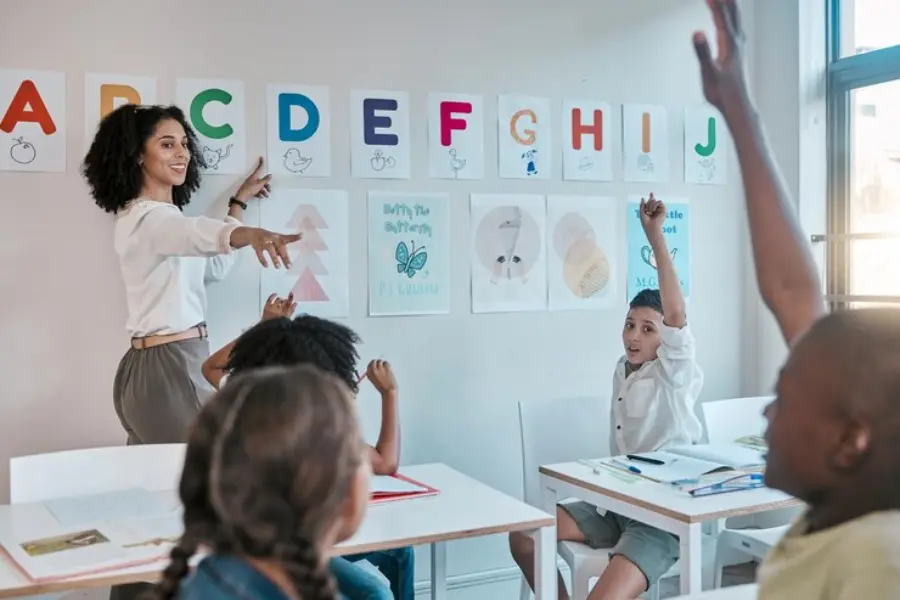
Source: freepik
Phonics and Decoding Activities
Phonics and Decoding games help youngsters learn to read by teaching them how to connect Letters to Sounds and then put those sounds together to produce words that make sense. Students build their reading abilities and confidence through fun, disciplined exercise.
Fun & Engaging Activities
- Scavenger Hunt with the Alphabet: Kids look for things that start with a certain letter and speak the sound of that letter out loud.
- Bingo with Phonics: Bingo cards with letters or short sentences may assist kids learn to recognize sounds.
- Word Walk :Writing letters with chalk helps kids learn to read by having them step on each sound and combine them together.
- Games with letters and sounds:“I Spy” using sounds or creating words with cards helps kids become more conscious of sounds.
- Hunt for a Cereal Box or Sign: Kids read out loud phrases they know that are on signs or packages at home.
Activities that include touch and hands-on work:
- Letters with magnets: Great for making CVC words and mastering the sequence of letters.
- Sound Boxes, often called Elkonin Boxes: Each box stands for one sound, which helps with obvious separation before merging.
- Trace and Speak: Touching letters with sand or sugar while saying the sound helps you remember things.
Reading & Fluency Activities:
- Read Alouds and Echo Reading: Adults model fluent reading, and children repeat to practice rhythm and clarity.
- Word Chaining: Changing one letter at a time shows how sounds alter meaning.
- Phonics Songs: Kids can recall sounds and patterns better when they sing simple tunes.
| Key Decoding Concepts | |
| Concepts | Focus |
| Blending | Combining sounds to read words |
| Segmenting | Breaking words into sounds |
| Letter-Sound Correspondence | Matching Letters with correct sounds |
Regular phonics and decoding exercises are a great way to build a firm foundation for reading accurately and with confidence.
To download the brochure of the Phonics Course, Click Here!
For more details of Phonics Course Call: +91 8369377157 / +919869546913
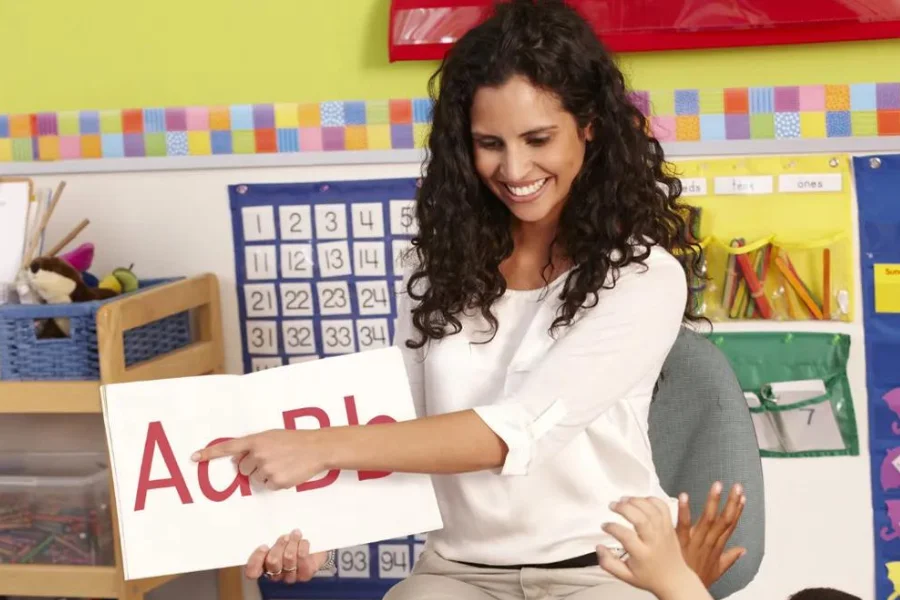
Source: abcofliteracy
How Many Levels Are In Phonics?
Phonics is an important part of learning to read and write. Kids get better at reading and spelling when they put letters and sounds together. Many teachers who sign up for a Phonics Teacher Training Course to learn about these levels find that phonics sessions are usually split into six levels. The Vidhyanidhi Education Society (Govt. Regd.) offers a structured phonics teacher training course that shows how each step of reading and writing builds on the one before it.
The Six Phonics Phases Explained
Phase 1: Phonemic Awareness
Children focus on listening skills, rhymes, and sound patterns. A Phonics Teacher Training Course shows how this stage helps kids become more aware of sounds.
Phase 2: Letter Sounds
Learners start to recognize letter sounds and combine them to read simple words like VC and CVC patterns.
Phase 3: Digraphs and Blends
Students learn how to spell things like “sh,” “ch,” and “th.” A Phonics Teacher Training Course often teaches teachers how to help students learn these sound patterns.
Step 4: Long Vowels and Clusters of Consonants
Kids find it easier to read longer words when they learn to recognize consonant clusters.
Phase 5: Different Ways to Spell
Students look at different ways to write the same sound.
Step 6: Advanced Phonics Knowledge
Improves reading fluency and spelling rules, prefixes, and suffixes.
The Phonics Teacher Training Course from Vidhyanidhi Education Society helps instructors learn about these six phonics levels and how to use effective teaching methods to help students read better.
Phonics Levels at a Glance
| Phase | Key Focus |
| 1 | Sound awareness |
| 2 | Basic letter sounds |
| 3 | Digraphs & blends |
| 4 | Long vowels & clusters |
| 5 | Alternative spellings |
| 6 | Fluent reading & spelling |
Together, these six phonics levels create a strong foundation for lifelong reading success.
To download the brochure of the Phonics Course, Click Here!
For more details of Phonics Course Call: +91 8369377157 / +919869546913
How to practice Phonics at home?
Kids learn more about how sounds and letters work together when they practice phonics at home. They also feel sure of themselves when they read. Doing simple things every day might make this learning fun and not stressful.
Simple Daily Phonics Practices
- Sound Talk – Break words into sounds like “c-a-t” and ask your child to blend them.
- Letter of the Day – Focus on one letter, learn its sound, and find objects at home starting with it.
- Flashcards – Use letter or word cards for quick, short recognition sessions.
Fun Phonics Activities
- Word Building – Use magnetic letters to form CVC words, changing one letter at a time.
- I Spy with Sounds – Spot objects beginning with a specific sound, like /b/.
- Sound Hunt – Find and sound out words on books, boxes, or signs together.
Hands-On Learning
- Trace and Say – Trace letters in sand or flour while saying each sound aloud.
- Sound Boxes – Draw boxes for each sound and place counters as your child says each phoneme.
Reading Together
- Read Aloud Daily – Point to words, highlighting letter sounds naturally.
- Echo Reading – Read a line and have your child repeat it for fluency.
- Songs and Rhymes – Reinforce sound patterns through phonics songs.
Vidhyanidhi Education Society offers a Phonics Teacher Training Course for parents and teachers who want to learn better ways to teach phonics. The course teaches students phonics in a method that is organized and has been shown to work.
The Phonics Teacher Training Course gives you the skills and information you need to help kids learn at home or at school. If you let your child practice for only a few minutes every day, it might make a big impact in how quickly they learn to read.
Build mastery with Vidhyanidhi Education Society’s Phonics Course.
To download the brochure of the Phonics Course, Click Here!
For more details of Phonics Course Call: +91 8369377157 / +919869546913
What is Meaning of Phonics?
FAQs
What Age Should Kids Start Phonics?
Between the ages of 3 and 5, most youngsters may start to learn phonics. They begin with sound awareness and fundamental letter-sound relationships.
How Long Does It Take A Kid To Learn Phonics?
If they keep practicing, youngsters could master fundamental phonics in one to two years. They eventually go from noises to being able to read well.
What Is The Best Way To Teach A Child Phonics?
The best way to learn is via a combination of games, reading aloud, blending sounds, and systematic coaching, like what is taught at Vidhyanidhi Education Society.
Is It Okay If My 5 Year Old Can't Read?
Yes, that's usual. At five, a lot of kids are still learning phonics and how to be ready to read on their own.