

What is Specific Learning Disorder? It is a condition that affects how a person understands, processes, or uses information related to reading, writing or mathematics. Children and adults with this condition may have average or above-average intelligence, yet they face consistent difficulty in certain academic skills. These challenges are not caused by lack of effort, poor teaching or low motivation. Instead, they are linked to the way the brain processes information.
Early signs may include trouble with spelling, slow reading, difficulty understanding written text, or problems solving math calculations. Identifying these signs at the right time helps parents and educators provide suitable support. Understanding What is Specific Learning Disorder? helps reduce confusion, removes blame from the child, and encourages a supportive learning environment that focuses on strengths while addressing specific areas of difficulty.
How Common Are Learning Disorders?
Learning Disorders are more common than many people realize and affect children and adults across all backgrounds. Studies show that specific learning disorders impact a significant percentage of the population, especially during the school years. These difficulties are not related to intelligence. Many individuals with learning disorders are bright and capable but struggle in specific academic areas due to differences in brain development.
The term Specific Learning Disorder is used to describe neurodevelopmental conditions that involve ongoing difficulty in one or more of the following areas:
- Reading
- Writing
- Math
It is estimated that around 5–15% of school-aged children experience some form of learning disorder. Among these, reading-related difficulties are the most frequently identified, followed by challenges in writing and mathematics. In many cases, learning disorders continue into adulthood, although the signs may change over time.
Common types of specific learning disorders include:
Dyslexia (reading disability)
Difficulty with reading accuracy, spelling, recognizing letters, sounding out words and understanding written text.
Dysgraphia
Problems with handwriting, spelling, organizing thoughts on paper, writing speed, and grammar, even with proper instruction.
Dyscalculia
Challenges with number concepts, basic calculations, remembering math facts, and organizing math work.
Early identification and structured support can help individuals manage these challenges effectively and build confidence in learning.
To download the brochure of the Special Educator Course, Click Here!
For more details on the Special Educator Course, Call / WhatsApp at +919321024137 / +919869866277
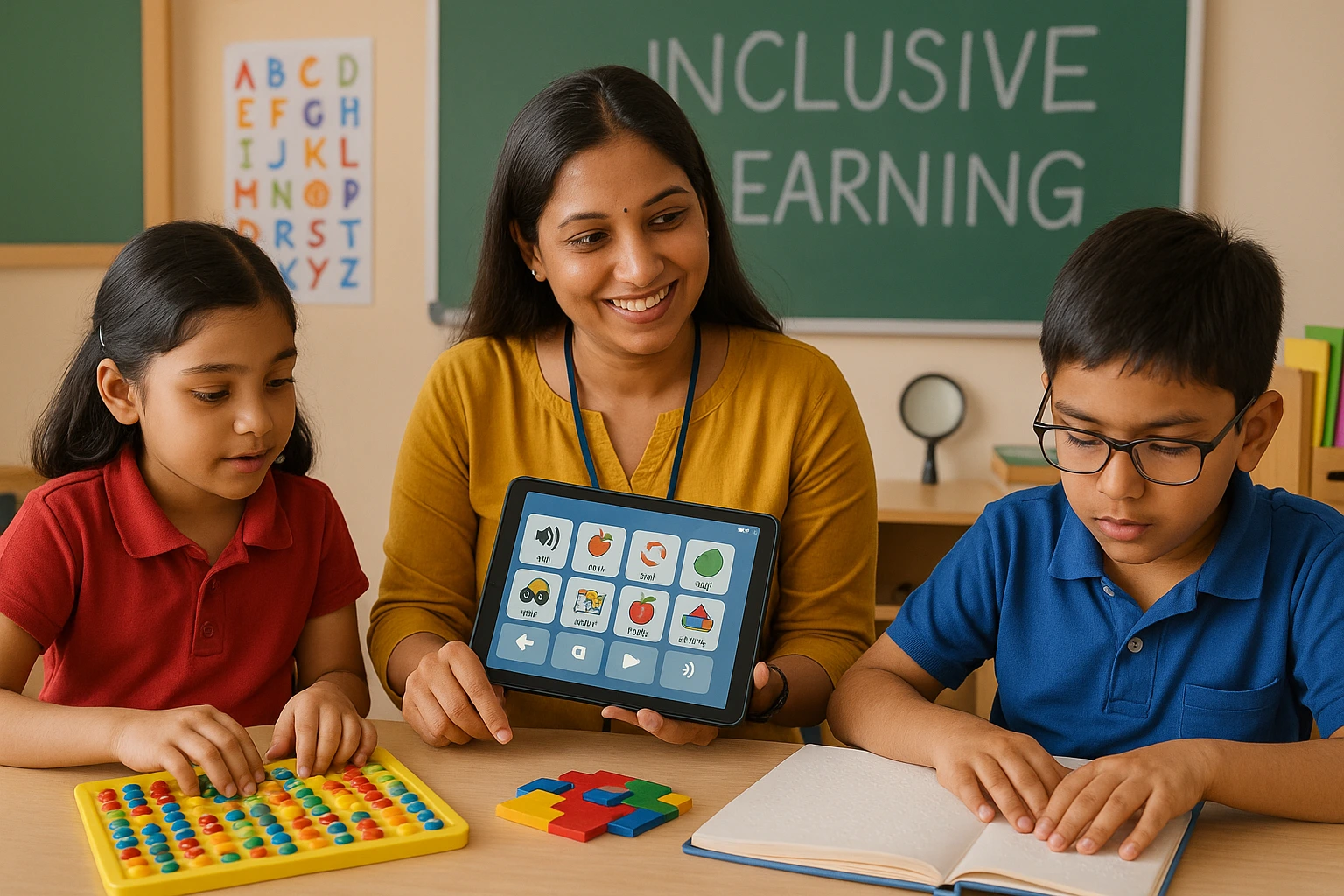
Why Does Specific Learning Disorder Occur?
Specific Learning Disorder occurs due to differences in how the brain develops and processes information. It is a neurodevelopmental condition, meaning it begins early in life and is linked to brain functioning rather than effort, intelligence, or motivation. Children with this condition try hard to learn, but certain academic skills remain difficult despite regular teaching.
Several factors contribute to the development of Specific Learning Disorder:
Brain processing differences
Some areas of the brain responsible for reading, writing, or math work differently, affecting how information is understood and remembered.
Genetic factors
Learning disorders often run in families. If a parent or sibling has similar difficulties, the chances may be higher.
Prenatal and early childhood factors
Premature birth, low birth weight, exposure to toxins, or complications during pregnancy may increase risk.
Language development delays
Early difficulties with speech, vocabulary, or understanding language can later affect academic skills.
Environmental influences
Limited early learning experiences or inconsistent exposure to language and numbers may add to existing challenges, though they are not the main cause.
Specific Learning Disorder is not caused by poor teaching, laziness, or lack of discipline. With early identification, structured teaching methods, and emotional support, individuals can manage difficulties and build strong learning skills over time.
To download the brochure of the Special Educator Course, Click Here!
For more details on the Special Educator Course, Call / WhatsApp at +919321024137 / +919869866277

What are some of the Signs?
The Signs of a Specific Learning Disorder can appear Early in Childhood and often become more noticeable when academic demands increase. These signs vary from one child to another and may affect reading, writing, math, or a combination of these areas. Recognizing them early allows timely support and reduces learning-related stress.
Some customary signs of reading difficulties are
- Issues with letter recognition and their corresponding sounds
- Incorrect reading
- Not being able to understand what they are reading
- Repeated spelling mistakes
Signs related to writing may include
- Illegible handwriting
- Letters not written in their allocated spaces
- Poor jotting down of thoughts on paper
- Hampered writing speed
- Frequent grammar mistakes
- Copying from the board is a struggle.
Signs related to math are listed below
- Understanding abstract concepts such as time and money is a struggle.
- Performing basic calculations is an issue
- Despite efforts, cannot memorize math formulas
- Cannot perform 2-step word problems.
A few more signs are listed below
- Hesitation to do reading or writing tasks
- Cannot focus when multiple instructions are given
- Avoidance of reading or writing tasks
- Low academic confidence despite effort
- Difficulty following multi-step instructions
These signs are not a result of low intelligence or lack of effort. With proper assessment and structured support, Children with learning difficulties can develop effective learning strategies and succeed academically.
To download the brochure of the Special Educator Course, Click Here!
For more details on the Special Educator Course, Call / WhatsApp at +919321024137 / +919869866277

Source: freepik
How are Learning Disorder Diagnosed?
When the child misses some crucial developmental milestones, the signs start appearing during the early years that are noticed by the parents and teachers. This may lead the parents to approach the desired professionals, who then chalk out a systematic evaluation procedure. There is a team of adept professionals who assess the child’s different developmental domains and understand the child’s learning patterns and exact areas of Learning Difficulty.
The diagnosis procedure includes
- Study of the child’s past academic performance and other skills.
- The child’s previous medical history
- Routine tests for reviewing the child’s learning skills.
- Review of the child’s cognitive skills and ways of information processing
- Scrutinization of the child’s behaviour patterns
A lot of valuable input is provided by teachers and parents as they consistently notice the child’s overall progress. A systematic diagnosis helps in properly chalking out an intervention program with effective strategies and precise modifications that make the learning journey enjoyable for the child with minimal stress.
To download the brochure of the Special Educator Course, Click Here!
For more details on the Special Educator Course, Call / WhatsApp at +919321024137 / +919869866277

Source: thesun
Strategies for Helping Individuals with Specific Learning Disorder
Individuals with Specific Learning Disorder are individuals with normal intelligence, but as they process information in a slightly different manner, their ways of learning are impacted, hampering their overall academic progress. Helping SLD individuals needs strategic teaching tactics, emotional guidance, and consistent support that helps learners to enhance their skills and gain confidence to perform better academically and also develop healthy friendships.
Vidhyanidhi Education Society (Govt. Regd.), a pioneer teacher training Institute has initiated a Special Education Needs course that equips educators and aspiring teachers with essential knowledge and strategies that enable them to create conducive learning spaces for children with special needs.
Effective strategies include:
Individualized learning plans
Teaching should be adjusted to suit the learner’s pace, strengths, and specific areas of difficulty.
Multi-sensory teaching methods
Using visual, auditory, and hands-on activities helps improve understanding and memory.
Clear instructions and structured routines
Breaking tasks into smaller steps makes learning more manageable and reduces anxiety.
Assistive tools and accommodations
Tools such as extra time, audio materials, calculators, or writing aids support independent learning.
Positive reinforcement
Encouragement and praise help build self-esteem and motivation.
The Special Education Needs Course focuses on identifying learning difficulties and applying effective teaching techniques. Through the Special Education Needs Course, learners receive targeted guidance. Enrolling in a Special Education Needs Course helps create inclusive and supportive learning environments.
Support Every Child Better. Join Vidhyanidhi Education Society’s Special Educator Course today!
To download the brochure of the Special Educator Course, Click Here!
For more details on the Special Educator Course, Call / WhatsApp at +919321024137 / +919869866277
What is Specific Learning Disorder
FAQs
Which is the Most Common Learning Disorder?
Dyslexia is the most common learning disorder and mainly affects reading, spelling, and language-related skills in children and adults.
What Is Considered a Learning Disorder?
What is Specific Learning Disorder? It refers to ongoing difficulty in reading, writing, or math that is not linked to intelligence or poor teaching.
What Is the Cause of Most Learning Disorders?
Most learning disorders are caused by brain processing differences and genetic factors, not laziness, low effort, or lack of discipline.
Are Learning Disorders Mental Illness?
No, learning disorders are neurodevelopmental conditions, not mental illnesses. Proper training, such as courses by Vidhyanidhi Education Society, supports effective intervention.