
Grammar and Phonetics are two important parts of language learning, yet many learners find them confusing. Grammar explains how words are arranged to form correct sentences, while Phonetics focuses on how sounds are produced and spoken. Both help improve communication, but they work in different ways. Understanding the difference between Grammar and Phonetics can make reading, writing, listening and speaking clearer and more accurate.
Core Definitions of Grammar and Phonetics
Understanding language becomes easier when the basic meanings of grammar and phonetics are clear. These two areas focus on different aspects of how a language works and how it is used in daily communication.
Grammar
- Grammar refers to the set of rules that guide how words are arranged to form meaningful sentences.
- It explains sentence structure, word order, tenses, punctuation, and agreement between words.
- Grammar helps ensure that written and spoken language is clear, logical, and correctly formed.
Phonetics
- Phonetics is the study of speech sounds and how they are produced, heard, and spoken.
- It focuses on pronunciation, stress, intonation, and the physical movement of speech organs.
- Learning phonetics improves one’s ability to communicate effectively and comprehend what others are saying.
These key concepts demonstrate how grammar affects meaning and how phonetics helps speech be clear and correct.
To join VES’s Teaching Phonics Teacher Course, call +919869866277 / +919869546913.
Click here and look Phonics Teacher Course at the brochure!
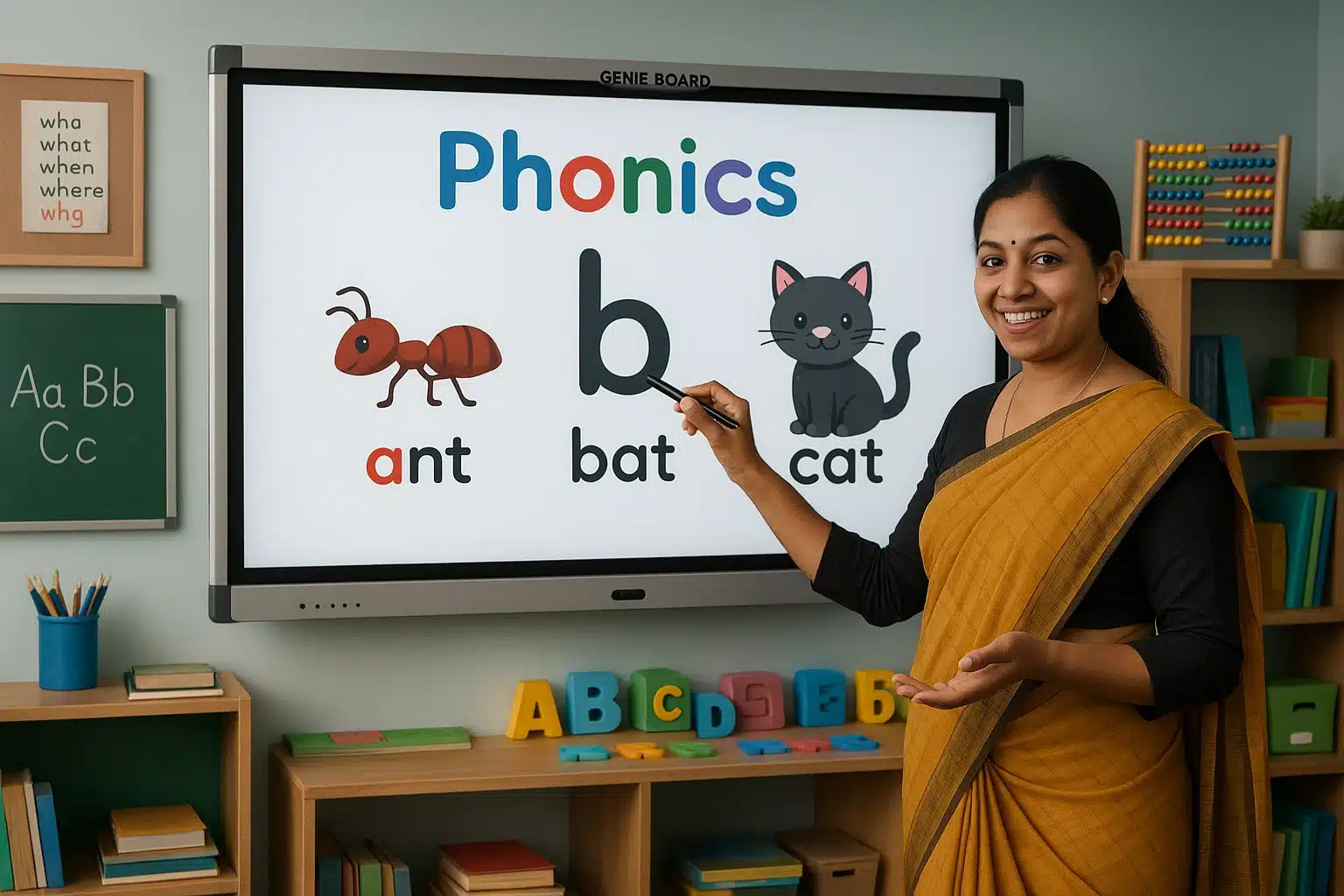
Primary Goals of Grammar and Phonetics
While both phonetics and grammar are crucial for language acquisition, their purposes are different. Their goals are to be precise, understandable, and proficient in both written and spoken communication.
Primary Goals of Grammar
- To assist students to form correct and meaningful sentences.
- To ensure correct use of tenses, punctuation and word order.
- To support clear expression of ideas in writing and speech.
- To reduce uncertainty by following standard language rules.
Primary Goals of Phonetics
- To develop correct pronunciation of sounds and words.
- To improve clear speech through proper stress and modulation.
- To help learners recognize and produce speech sounds correctly.
- To support better listening skills and understanding of spoken language.
Achieving these goals helps Grammar build stronger sentence structures, while phonetics enhances both speaking clarity and listening skills.
To join VES’s Teaching Phonics Teacher Course, call +919869866277 / +919869546913.
Click here and look Phonics Teacher Course at the brochure!

Source: pinterest
Typical Instructional Focus and Activities
Different techniques of teaching and practicing language learning often stress grammar and phonetics. Every area has its own things that help individuals grow better at what they do and feel good about themselves.
Instructional Focus and Activities for Grammar
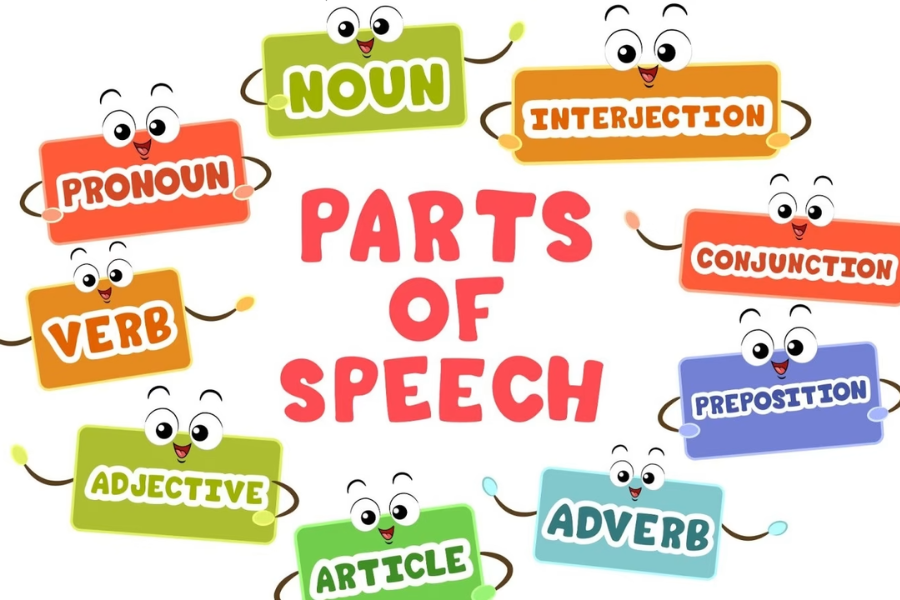
- Learning parts of speech such as nouns, verbs, adjectives and adverbs.
- Writing exercises to practice forming sentences.
- Using worksheets and examples to learn about sentence construction and tenses.
- Making changes to and fixing sentences to make them more accurate.
Instructional Focus and Activities for Phonetics
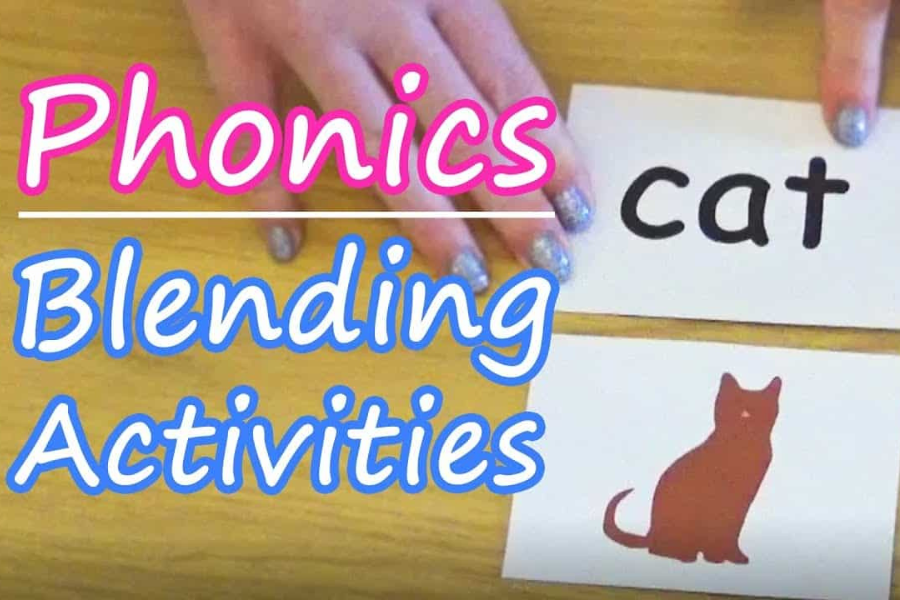
- Working on single sounds and groups of sounds.
- Saying words and sentences over and over again to get better at saying them.
- Listening activities to help you hear distinctions in noises and stress patterns.
- Using spoken exercises to make things clearer and more fluent.
These teaching methods promote well-structured language through grammar and clearer speech through phonetics.
To join VES’s Teaching Phonics Teacher Course, call +919869866277 / +919869546913.
Click here and look Phonics Teacher Course at the brochure!
Source: pinterest
Age and Stage Considerations
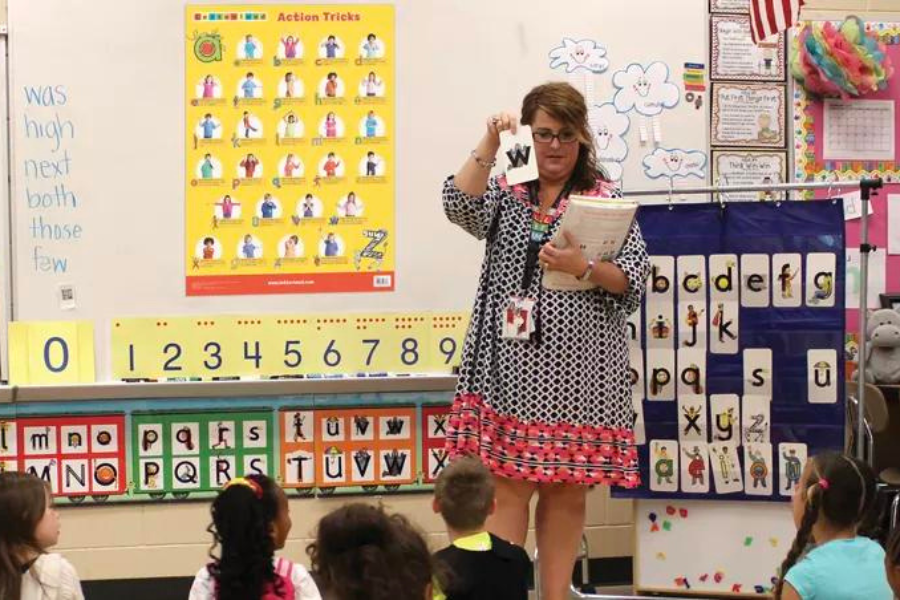
Age and the level of education are important when it comes to how grammar and phonetics are taught and learned. For students who are 18 years old and have passed the HSC, lessons can be more organized and focused on goals.
- Learners at this stage usually have basic knowledge and can understand rules and concepts more easily.
- Learning grammar may help you communicate better by teaching you how to use words, make sentences, and be accurate.
- Phonetics Teaching may correct pronunciation difficulties, enhance speech clarity and boost confidence in Spoken English.
- At this age, analytical abilities enable students to compare sounds, recognize patterns and fix mistakes on their own.
- Practice activities include things like discussions, speeches, written projects and listening tasks that are good for adult learners.
These considerations help ensure that language instruction matches the learner’s maturity, academic level and communication needs.
To join VES’s Teaching Phonics Teacher Course, call +919869866277 / +919869546913.
Click here and look Phonics Teacher Course at the brochure!
Source: youtube
Common Confusions
A lot of students get grammar and phonetics mixed up since they are both parts of learning a language. Knowing what things are often confusing makes it easier to use each one appropriately.
- Grammar is sometimes misunderstood as pronunciation, in fact it deals with sentence structure and correct usage of words.
- People frequently confuse phonetics with spelling, although it really has to do with how words sound when they are pronounced.
- Learners may believe correct grammar guarantees clear speech, even though poor pronunciation can still cause misunderstanding.
- Some people think phonetics is totally for beginners, yet it may help people of all levels become more clear and confident.
- Errors in both writing and speaking can result from combining grammatical rules with sound rules.
Recognizing these mistakes helps students apply grammar and phonetics correctly, leading to clearer speech.
To join VES’s Teaching Phonics Teacher Course, call +919869866277 / +919869546913.
Click here and look Phonics Teacher Course at the brochure!
Source: pagecloud
Learner Outcomes and Assessment
Learner outcomes and assessment methods help measure progress in both written and spoken language skills. Clear evaluation ensures that learners achieve accuracy, confidence, and effective communication.
Learner Outcomes
- Structured instruction like the Grammar Teacher Course helps learners improve their writing and learn how to build good sentences.
- Pronunciation, clarity of speech, and sound recognition improve with focused practice supported by the Phonics Teacher Training Course.
- Advanced understanding of language rules prepares learners for teaching roles after completing the Grammar Teacher Training Course.
- Confidence in explaining language concepts grows steadily during the Grammar Teacher Training Course.
Assessment Methods
- Multiple-choice questions are used in the Grammar Teacher Training Course to evaluate language correctness, sentence structure and tenses.
- Oral assessments evaluate pronunciation, stress, and clarity of speech.
- Practical teaching demonstrations help measure real classroom readiness.
- Continuous feedback ensures steady improvement in both grammar knowledge and phonetic skills.
The Grammar and Phonics Teacher Training Course from Vidhyanidhi Education Society (Govt. Regd.) helps future teachers promote student learning and provide good assessments.
Join Vidhyanidhi Education Society’s engaging Phonics Teacher Course!
To join VES’s Teaching Phonics Teacher Course, call +919869866277 / +919869546913.
Click here and look Phonics Teacher Course at the brochure!
FAQs
What is the Difference Between Grammar and Phonics?
Grammar explains sentence rules and structure, while phonics focuses on letter sounds and pronunciation used in reading and speaking.
Is Phonics Reading or Grammar?
Phonics helps kids learn to read by linking sounds to letters. It's not grammar, but it helps people learn how to read and say things properly.
Can a Child Learn to Read Without Phonics?
Some kids may read basic words, but phonics builds stronger decoding skills and long-term reading accuracy.