

Attention Deficit ADHD in children is a disorder that frequently generates worries for parents and teachers, particularly when it comes to its roots. A lot of people want to know what makes a kid have ADHD. Research shows that a combination of genetic, neurological and environmental variables has a role. Although a singular cause cannot be identified, research indicates that brain development, familial history and early life experiences may affect Attention Deficit Hyperactivity Disorder (ADHD). Understanding these factors helps caregivers in providing necessary support and guidance to children showing symptoms of inattention, impulsivity or hyperactivity.
Which Children are at Risk for ADHD?
Some key factors can lead to greater chances of Children Developing ADHD, especially a blend of environmental and genetic factors.
ADHD does not have a defined cause, but certain situations aggravate the risk of ADHD:
Hereditary Reasons
- If a family has a case of ADHD, there are higher chances of more ADHD cases in that family in the future course of time.
- If there have been instances of mental problems in the family, it can be an important part.
Pre-birth reasons
- Consuming alcohol: When pregnant mothers consume alcohol or smoke tobacco-related products, it can increase the chances of the child developing ADHD.
- Premature birth: Babies born too early face higher chances, particularly in cases of extreme prematurity.
- Subdued birth weight: Poor weight during birth is also considered a reason for increased ADHD risk.
Environmental Factors
- Pollutants: Harmful toxin exposure, such as lead and older paints, can be a crucial factor.
- Underprivileged condition: Children who belong to a lower socioeconomic status may not have access to healthcare, or the financial resources may be meagre.
Other reasons
- Gender: There are higher chances of boys contracting ADHD than girls.
- Chromosomal reasons: Genetic conditions such as tuberous sclerosis and certain microdeletion disorders are linked with ADHD.
When these factors are identified at an early stage, it enables caregivers, parents and educators to implement the essential strategies and therapies that help children handle their challenges effectively and thrive in academic and social settings.
What are the Symptoms of ADHD in a Child?
Attention Deficit ADHD can look different in every child, but it usually involves a consistent pattern of behaviours that affect daily life at home, school, and in social settings. Symptoms are grouped into two main categories: inattention and hyperactivity-impulsivity.
A child may show signs from one or both groups:
Inattention
- Difficulty focusing on tasks or play activities.
- Frequently makes careless mistakes in schoolwork.
- Inability to follow instructions completely, leading to unfinished assignments.
- Attention span is very poor, and the mind gets easily diverted by the slightest sound in their surroundings.
- Managing their belongings is a task, and therefore, they end up losing their belongings, such as books, pencils, or toys.
Hyperactivity and Impulsivity
- Continuous moving around, tapping and fidgeting.
- Inability to sit for a longer span, especially in classrooms or meals.
- Speaks out of turn even when not needed and interrupts others while talking.
- Reacts or responds without thinking of the consequences
- Used to bumping into things around, leading to accidents.
- Looks restless, not being able to focus and climbs or runs aimlessly without reason.
Kids can get distracted or restless sometimes. This is normal and not something to worry about. But if a child can’t do things normally because of behaviour that is constant and strong, it could be a Sign of ADHD. Early notice and action can help make sure that the right support is given for good learning and growth.
To download the brochure of the Diploma in Special Needs Course, Click Here!
For more details on the Diploma in Special Needs Course, Call/WhatsApp at +919321024137 / +919869866277

Source: istockphoto
How is ADHD Diagnosed in a Child?
Identifying Attention Deficit ADHD in a kid requires keen observation that follows many steps. No one test helps identify ADHD; professionals depend upon in-depth observation and assessment of the child’s behavior in different environments.
Major aspects of diagnosis are:
Medical and Developmental History
- A child’s history and records of health, birth and developmental milestones are assessed by a pediatrician or specialist.
- Questions about prenatal and early life factors are often included.
Behavioral Assessments
- Feedback about the child’s behaviour is collected from teachers, parents and guardians
- Structured questionnaires and rating scales help measure attention, impulsivity, and hyperactivity.
Medical Observation
- The child is scrutinised thoroughly in different settings to see how the child’s behaviour patterns and symptoms affect their functioning.
- Professionals notice any signs that are not on track with the appropriate developmental milestones as per their age.
Eliminating any other issues
- Ensure that the child does not suffer from any Hearing or vision problems, learning disorders, anxiety that may look like ADHD symptoms.
- With these disorders out of the diagnosis, it helps to ensure that the child is struggling with the ADHD condition.
To get a formal and accurate ADHD diagnosis, the symptoms of ADHD have to be seen persistently for 6 months, where they are interfering with their child’s overall developmental pattern and affecting their academic excellence as well as their social well-being in more than one environment.
How is ADHD Treated in Children?
Treatment for Attention Deficit ADHD in children is devised depending upon the areas of concern of the child. Since ADHD affects children in varied ways, the challenges faced by each child will differ, and the treatment often combines medical, behavioural, and educational approaches.
Crucial Methods of treatment include:
Medication
- Stimulant medications are most commonly prescribed to improve focus and reduce hyperactivity or impulsivity.
- Non-stimulant options may be recommended if stimulants are not effective or cause side effects.
Behavioral Therapy
- Therapists work with kids to develop skills like self-control, organisation, and positive social behaviour.
- Parents are prepared to use consistent routines, rewards and clear expectations to manage behaviour.
Educational Support
- Teachers may provide extra time for assignments, structured seating arrangements and individualised teaching approaches.
- Child is provided with IEPs and accommodations for academic assistance.
Parent and Family Contribution
- Workshops are conducted where parents are educated about understanding ADHD better and help foster their child’s overall well-being.
- Regular communication between parents, teachers and healthcare providers ensures the best intervention approaches for the child.
While ADHD cannot be “healed,” the right combination of treatment and support allows kids to manage symptoms effectively, build confidence and succeed in educational and social environments.
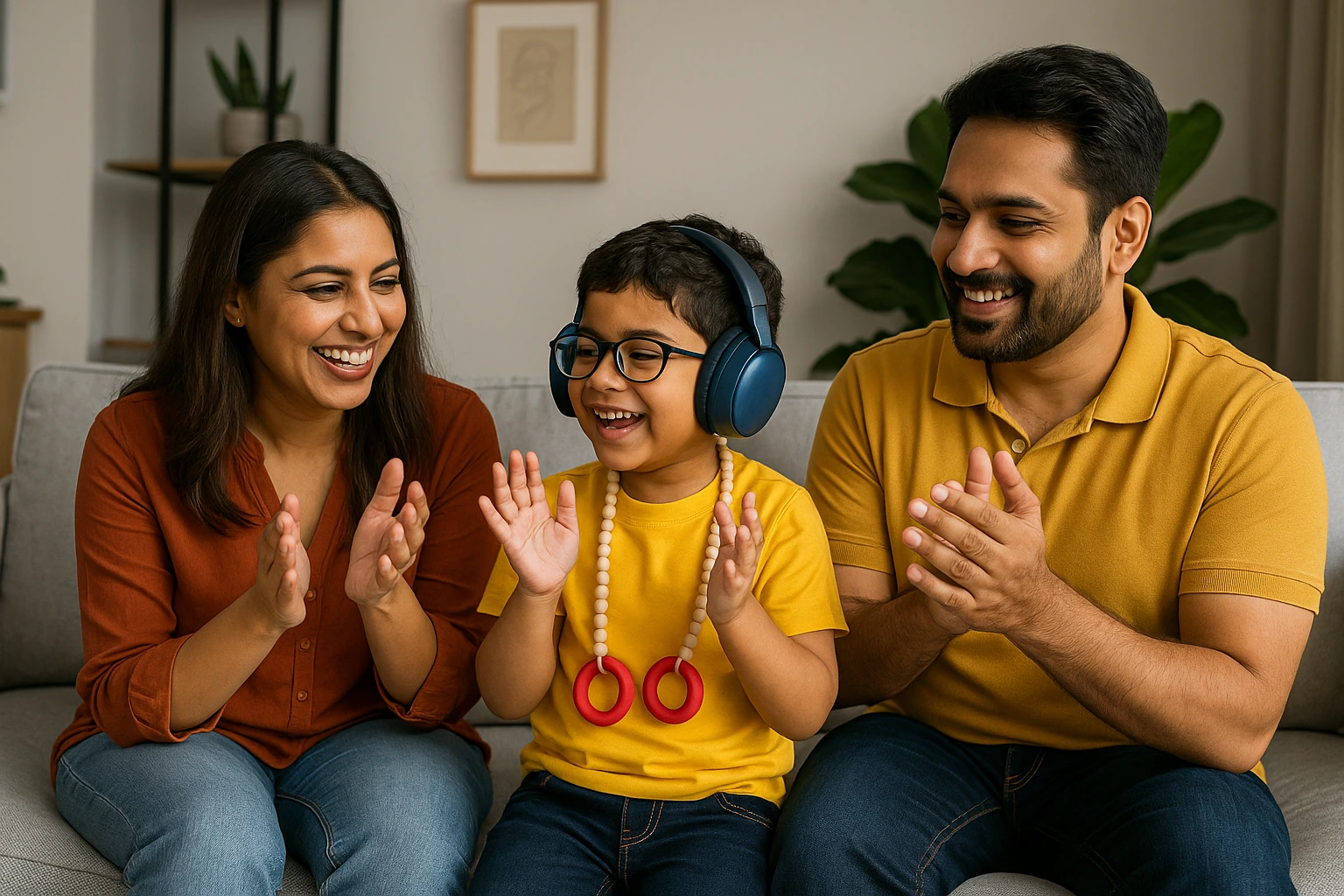
How to Help Prevent ADHD in a Child?
While Attention Deficit ADHD cannot always be prevented, certain steps can lower risks and support a child’s healthy development. Families, caregivers, and teachers can play an important role in building surroundings that promote better attention, learning and emotional growth. Vidhyanidhi Education Society (Govt. Regd.), a premier teacher training Institute, has launched a top-notch Special Education Needs Course that has helped transform the careers of trainees who can make a huge positive impact on the lives of children with special needs.
Effective ways to lessen risks are as follows:
Healthful Pregnancy Exercises
- Evade harmful consumption of alcohol, tobacco, and any other drugs during pregnancy.
- Follow healthy practices of exercising and maintain a nutritious diet during pregnancy, and follow all your scheduled doctor’s appointments for tracking the baby’s growth and development.
Sheltered Environment
- Provide the child non-toxic environment, eliminating any possibility of the child being exposed to surrounding toxins like lead.
- Promote healthy eating habits and develop a fixed outdoor activity schedule for better blood circulation.
Early Learning and Motivation
- Encourage the habit of practising methodical routines that reduce stress and anxiety in children, enhancing their learning outcomes.
- Conduct activities that help strengthen the attention span of children through play-based learning activities.
Parent-Teacher Grooming
- Parents and teachers are effectively groomed and equipped with essential strategies covered under the Special Education Needs Course, enabling them to recognise early warning signs.
- The Special Education Needs Course also offers strategies to create supportive learning surroundings.
- By using the techniques and strategies explained under the Special Education Needs course, students gain well-rounded support, helping them tackle their challenges effectively and polish their social interaction skills.
Vidhyanidhi Education Society (Govt. Regd.) offers a Special Education Needs Course to empower caregivers with tools that help kids grow with confidence and flexibility.
Join Vidhyanidhi Education Society’s Diploma in Special Needs Course Today! Support Development, Ignite the latent skills, brighten Lives!
To download the brochure of the Diploma in Special Needs Course, Click Here!
For more details on the Diploma in Special Needs Course, Call/WhatsApp at +919321024137 / +919869866277
FAQs
Does Screen Time Lead to ADHD?
Screen time doesn't directly cause ADHD, but using it too much may make signs worse in children, such as sleep problems, anxiety and trouble focusing.
Are you born with ADHD or is it caused?
ADHD has genetic roots, influenced by brain development and environment. Vidhyanidhi Education Society offers guidance through its Special Education Needs Course.